🌿 Photography Is Fieldwork: Tools for Resonance-Based Storytelling
Field Tools for Photographers
Most of what I’ve learned about photography didn’t come from gear alone. It came from time in the field — returning to the same places, watching how light moves across water, how weather changes a landscape, and how wildlife behavior reveals itself when you slow down enough to notice it.
This page brings together the practical tools I use to work with those conditions more clearly. Exposure, timing, season, maps, and field planning all matter — but they matter most when they support observation rather than replace it.
These are field tools in the fullest sense: tools for planning a shot, reading a place, and recognizing the moment before the shutter ever clicks.
“Before you shoot, you sense. Field awareness begins where stillness meets water.”
~ Robbie George
Explore the Tools
These tools help translate field conditions into practical decisions — from exposure and depth of field to seasonal timing, scouting, and light planning.
Scout locations with more context around habitat, timing, and logistics.
Welcome to the Field Lens
To photograph with field awareness means letting observation lead the process. It means reading weather, light, movement, habitat, and season before relying on settings alone. The camera matters, but it works best when it follows what the landscape is already telling you.
This page gathers practical tools, planning resources, and field habits that support that kind of work. Some help you plan exposure. Some help you time a location. Some help you return at the right season. Together, they form a better way of working outdoors.
Light and timing tools help you work with sunrise, moon phase, weather windows, and seasonal changes.
Exposure and focus tools help translate what you see into cleaner, stronger image decisions.
Maps and seasonal guides help you return to the right place at the right time.
Field habits and readiness practices help you slow down enough to notice what the image actually requires.
Every photograph begins before the shutter. It begins in attention. When you slow down enough, the field starts to reveal structure — where light holds, where symmetry appears, where movement settles, and where a subject belongs within the larger scene.
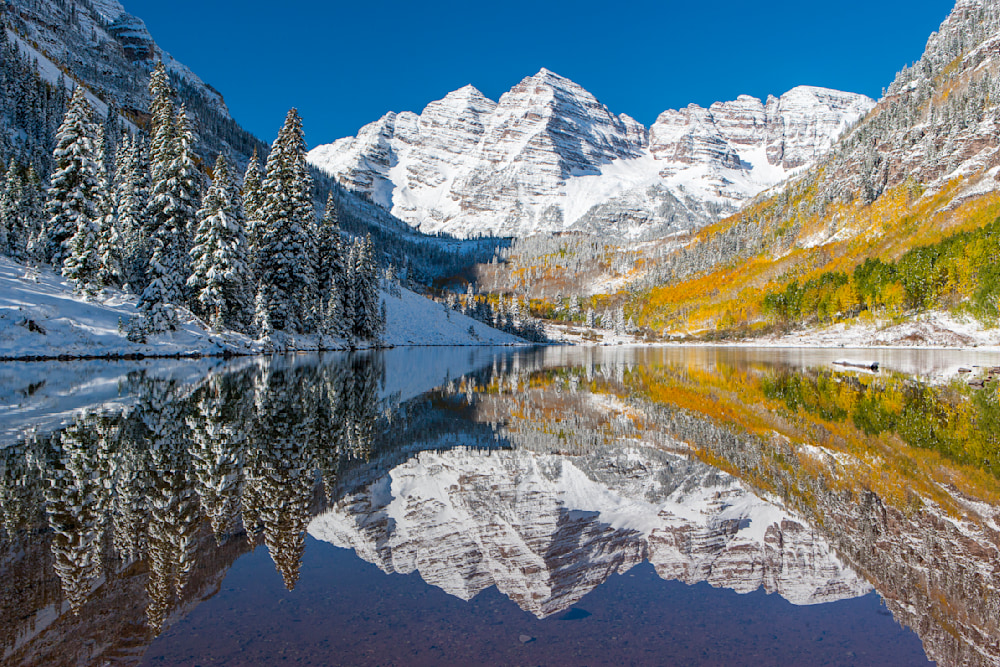
Images like Maroon Bells are built from that kind of awareness. Reflection, weather, season, and stillness all align before the exposure is made. The camera records the moment, but the seeing begins before it.
This is why field awareness matters so much: it helps you recognize when a place has become visually coherent, and when a photograph has truly arrived.
Field Readiness Checklist
Photography begins before the shutter. This checklist helps align your body, timing, and tools with the field, so you’re not only prepared to make an image — you’re prepared to notice one.
Before You Enter the Field
☐ Take 3 slow, grounded breaths
☐ Hydrate and settle before moving quickly
☐ Check sunrise, moon, and light angle
☐ Choose quiet, neutral clothing when wildlife is involved
☐ Carry a clear intention for what you want to observe
☐ Leave urgency behind
While in the Field
☐ Walk slowly and let the place reveal itself
☐ Watch the light before you adjust the camera
☐ Pause before shooting
☐ Notice geometry, reflection, movement, and rhythm
☐ Frame the scene in relationship, not isolation
☐ Let the season shape the image
“You don’t take a photo. The field offers it — when you’re in tune.”
~ Robbie George
Light Is Rhythm. Water Holds the Change.
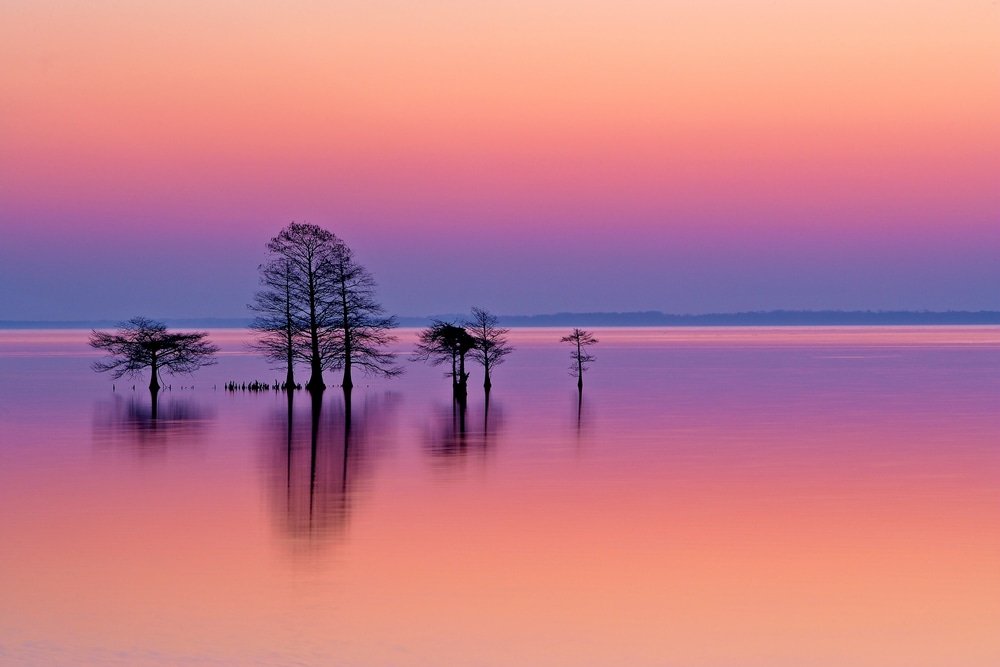
In the field, water often teaches photographers how to read light more clearly. Before light fully defines the land, it often appears first in reflection — softened, layered, and spread across movement.
That is one reason wetlands, lakes, shorelines, and tidal spaces are such powerful places to work. They show transition. They reveal how the atmosphere is changing. They let you study rhythm before the frame is fully formed.
Learn to read the water and you often learn to anticipate the photograph. Reflection, wind, stillness, and light all begin working together before the camera records the scene.
Technique and Gear Follow Observation
Gear matters, but it works best when it follows what the place is already telling you. Lens choice, shutter speed, tripod placement, and direction all shape the image — but those decisions become stronger when they respond to light, subject behavior, movement, and weather.
Camera: Use a setup you know well enough to adjust without breaking concentration.
Lens: Let focal length follow intent — wide for atmosphere, long for distance and behavior, macro for detail and texture.
Tripod: Stability matters most when working slowly with light, reflection, or longer shutter speeds.
Light planning: Tools like TPE, golden-hour planners, and moon tracking improve timing.
Direction: A scene changes completely depending on how light arrives across it.
In the end, technique should clarify the moment — not overpower it. The strongest field photography happens when craft supports attention.
The Resonant Shot: When the Field Responds
Not every photograph can be planned. Some only happen when timing, position, and awareness come together at once.
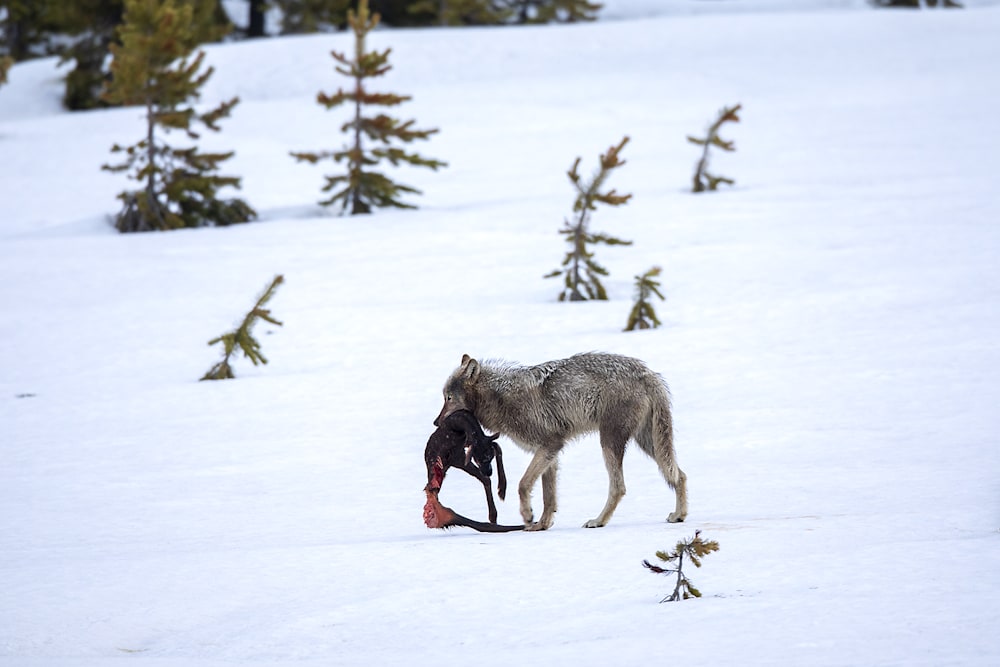
While photographing wolves in Yellowstone, I watched one of those moments unfold. The image wasn’t forced. It wasn’t chased. It happened because we were present, ready, and paying close enough attention to stay with what the field was already doing.
That’s one of the great lessons of field photography: the best images are often received through patience, positioning, and readiness. You’re not manufacturing the moment. You’re recognizing it when it arrives.
“Photography isn’t just about seeing what’s there. It’s about being ready when the moment becomes visible.”
~ Robbie George
These tools are practical, but they also connect to a larger field-based system. Timing, behavior, light, habitat, and season are not isolated variables. They are part of the same natural relationships that shape wildlife observation, ecosystems, and photography across the site.
Wildlife Behavior
Field timing gets stronger when you understand how animals move, feed, and respond to pressure.
Field tools become more powerful when they connect to real subjects, real places, readable signs, and living systems. Use these pathways to move from planning into deeper field knowledge.
Wildlife Species
Plan around real animal behavior, habitat, movement, and seasonal visibility.
The strongest field planning connects tools with living context: species, place, water, season, tracks, and behavior.
Discover Field Resonance Techniques
The best field photography happens when planning, observation, and timing begin working together. These tools are meant to help you move from reaction to recognition.
What are field tools for photographers?
Field tools are the practical resources that help you work with light, focus, timing, weather, season, and location more effectively in the field. They support better decisions before and during a shoot.
Why do field tools matter?
They help photographers move beyond reacting in the moment. When you understand light angle, seasonal timing, depth of field, and subject behavior in advance, you’re more prepared when the image actually arrives.
Are these tools only for wildlife photographers?
No. They’re useful for wildlife, landscape, seascape, and general nature photography. Any image shaped by real outdoor conditions benefits from better planning and stronger observation.
What is field-aware photography?
Field-aware photography is a way of working that begins with observation. It means reading the place first — light, movement, weather, habitat, and timing — and letting those conditions guide the photograph.
Where should I start?
Start with the tools that solve the biggest practical problem you face most often: exposure, focus, timing, or location planning. Then build from there into field technique and seasonal awareness.
About the Author
I’m Robbie George, a National Geographic–published nature photographer and field observer. Most of what I understand about photography comes from time spent outdoors — watching how light, weather, and wildlife behavior shape real moments.
The tools on this page reflect that experience. They’re designed to support observation first — helping you work with timing, conditions, and place rather than just camera settings.
The presence of this badge signifies that this business has officially registered with the Art Storefronts Organization and has an established track record of selling art.
It also means that buyers can trust that they are buying from a legitimate business. Art sellers that conduct fraudulent activity or that receive numerous complaints from buyers will have this badge revoked. If you would like to file a complaint about this seller, please do so here.
Verified Returns & Exchanges
The Art Storefronts Organization has verified that this business has provided a returns & exchanges policy for all art purchases.
Description of Policy from Merchant:
What is your Policy on Returns/Exchanges/Refunds?
I take great pride in my work and prints, and I want you to be completely happy with your investment in my nature art. If for any reason you are unsatisfied with your print, you may return it within 14 days of delivery, and/or exchange it for another print. Prints must be returned in new condition, packaged carefully in the original packaging if possible. Your refund will be issued as soon as I receive the returned print. Please contact me if you would like to arrange a return or exchange.
In the event that you receive a damaged or defective print, please let me know within 7 days of receipt, and I will arrange for a new print to be shipped to you at no additional cost.
Verified Secure Website with Safe Checkout
This website provides a secure checkout with SSL encryption.
Verified Archival Materials Used
The Art Storefronts Organization has verified that this Art Seller has published information about the archival materials used to create their products in an effort to provide transparency to buyers.
Description from Merchant:
Fine Art Prints are made with high-quality archival inks on fine art papers using a high-resolution large format inkjet printer. Our premium archival inks produce images with smooth tones and rich colors. Prints are made with care on your choice of exquisite Fine Art Papers using a high-resolution large format inkjet printer. https://www.graphikprintworks.com
Become a supporter of Robbie George Photography and be the first to receive new content and special promotions.
“Every image is a field. Every quote is a key. Welcome back to the rhythm.” ~Robbie
Cart
Your cart is currently empty.
Saved Successfully.
This is only visible to you because you are logged in and are authorized to manage this website. This message is not visible to other website visitors.
Import From Instagram
Click on any Image to continue
This Website Supports Augmented Reality to Live Preview Art
This means you can use the camera on your phone or tablet and superimpose any piece of nature art onto a wall inside of your home or business.
To use this feature, Just look for the "Live Preview AR" button when viewing any piece of nature art on this website!