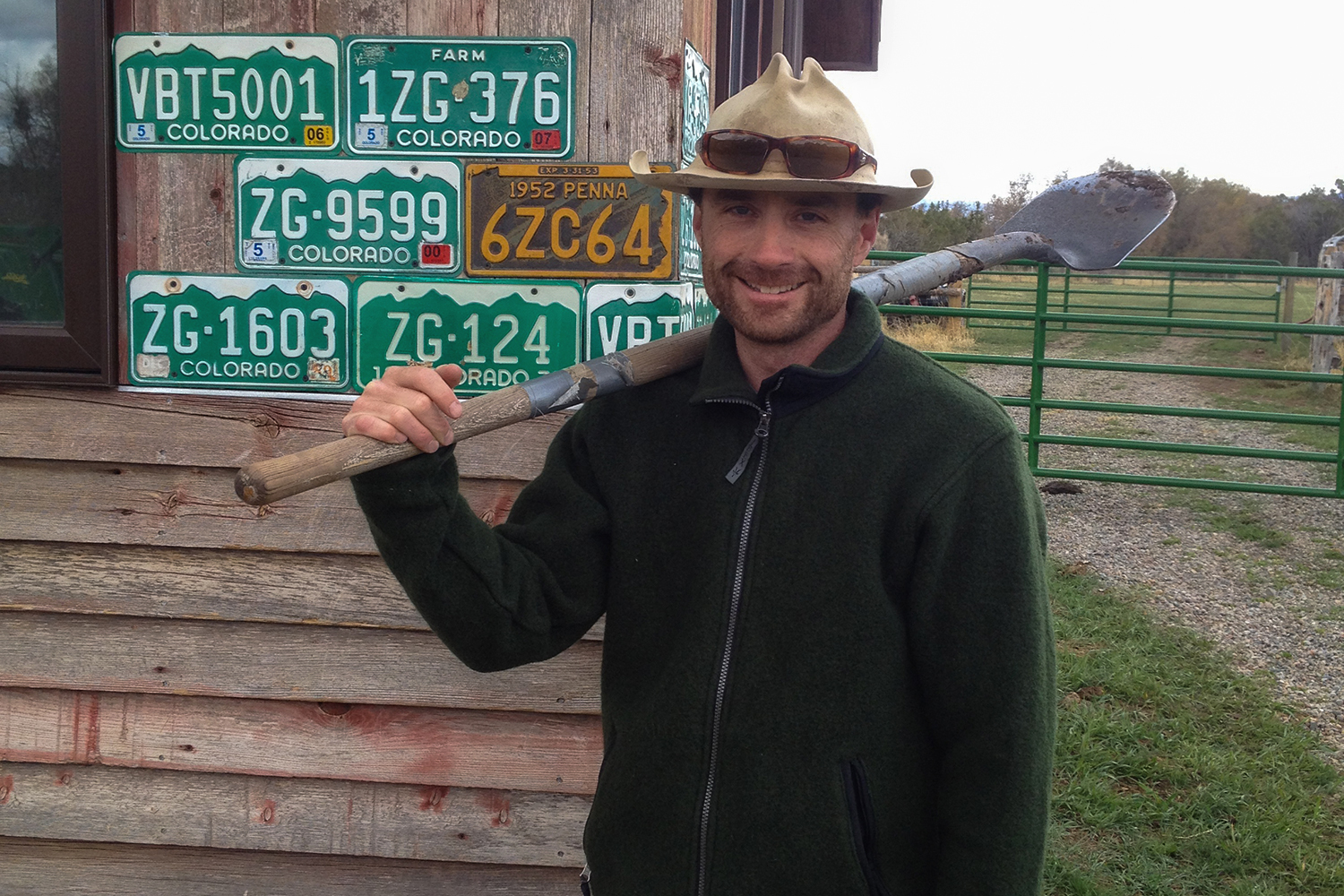
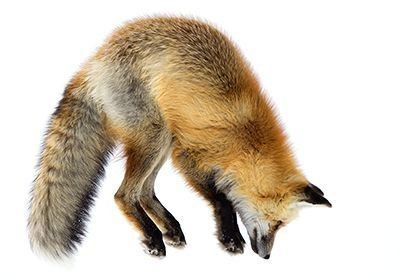
Where are Robbie’s wildlife photographs taken?
Robbie’s photography is created in the field across North America, including wildlife-rich regions such as Yellowstone, Grand Teton, Bosque del Apache, and other wetlands, forests, mountain environments, coastal systems, and protected habitats.
Does Robbie follow ethical wildlife-photography practices?
Robbie’s field practice is centered on patience, observation, respect for habitat, and minimizing disturbance to wildlife. The welfare and natural behavior of the animal take priority over obtaining a photograph. No image is worth forcing an encounter, disrupting essential behavior, or placing wildlife or people at unnecessary risk.
Do the photographs connect to wildlife behavior and ecology?
Yes. Many images connect to larger ecological stories involving migration, habitat, food systems, seasonal timing, weather, water, reproduction, animal behavior, and conservation. These relationships are explored through Naturepedia, where individual subjects can be understood as parts of larger living systems.
Where can I learn about the wildlife species featured in the photography?
Naturepedia provides routes into species, habitats, ecosystems, migration patterns, and seasonal relationships. Major entry points include Birds of Prey, Waterfowl and Wetland Birds, and Mammals of North America.
Is Naturepedia an independent scientific authority?
Naturepedia is an authored, field-informed knowledge and navigation system created by Robbie George. It organizes documented subjects, ecological relationships, geographic context, field observations, and links to supporting resources. Visitors should distinguish among documented scientific information, Robbie’s direct observations, authored synthesis, conceptual comparison, and provisional interpretation.
Do Naturepedia diagrams or visual relationships prove causation?
No. Visual placement, proximity, arrows, resemblance, shared terminology, or structural alignment should not be interpreted as independent proof of causality, universality, material identity, or cross-domain validity. A visual comparison can help organize or investigate a relationship, but it does not replace direct evidence, measurement, mechanism, or appropriate scientific testing.