🌿 How Wildlife Adapts to Survive in Changing Environments
Naturepedia · Life & Ecology · Wildlife Systems & Ecology
Wildlife Adaptation & Survival in North America
How immediate responses, learning, behavioral plasticity, acclimatization, inherited traits, and evolution operate across different biological timescales.
Animals can respond to changing conditions during their lifetimes, but evolutionary adaptation occurs within populations across generations. This Naturepedia guide separates those processes while examining how behavior, physiology, body structure, habitat, season, and ecological relationships contribute to survival and reproduction.
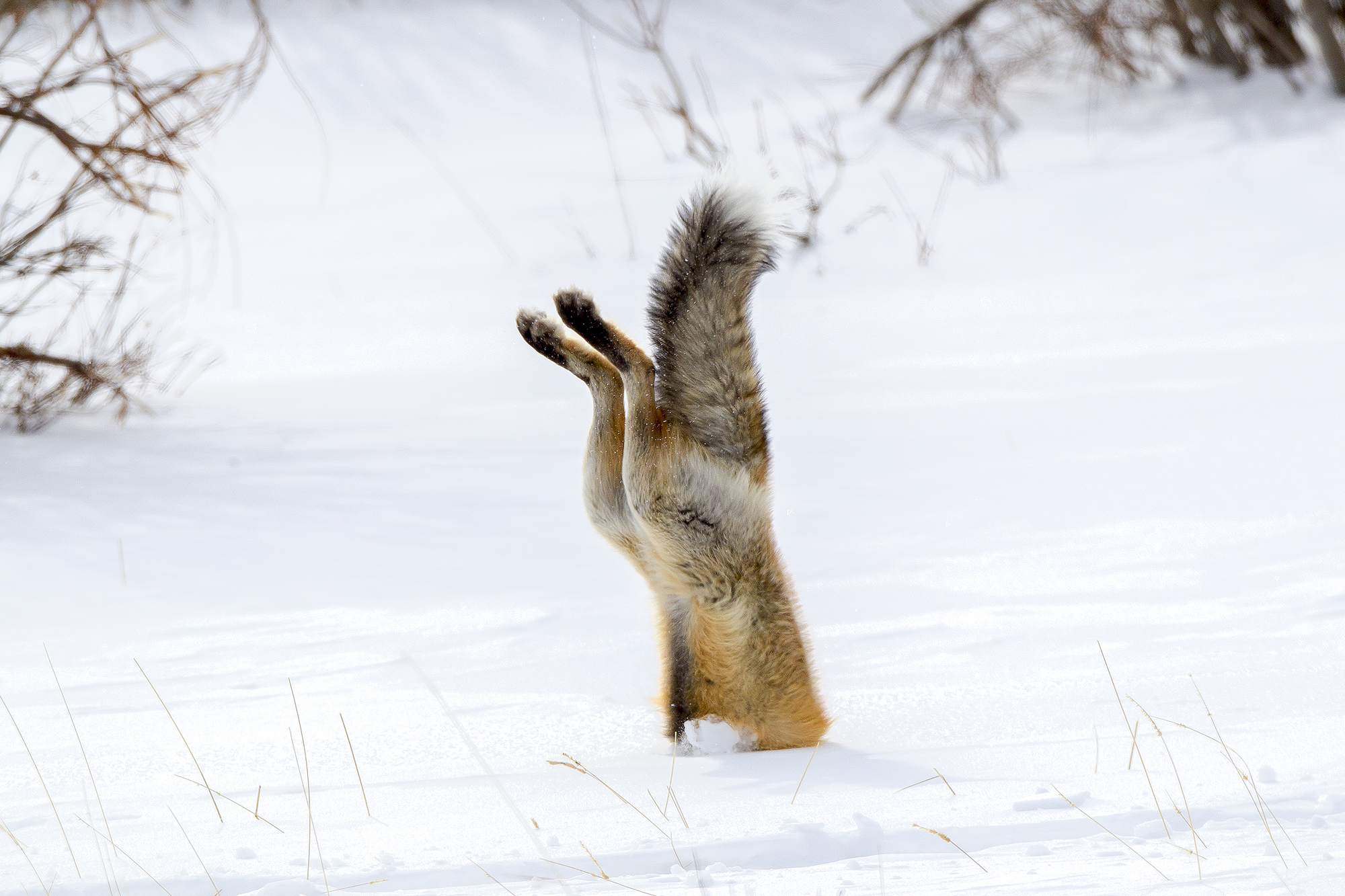
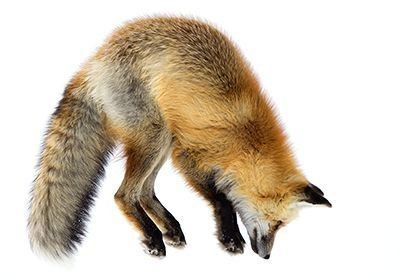
A red fox performs a snow-pounce during winter foraging. The photograph records visible behavior in a specific setting; it does not, by itself, establish whether the behavior was learned, inherited, individually flexible, or evolutionarily adapted.
Core distinction: individual animals respond, learn, develop, and acclimatize; populations evolve across generations.
Survival describes an organism remaining alive through the conditions it encounters. In evolutionary biology, however, persistence depends on more than individual survival. Traits become evolutionarily important through their relationship to both survival and reproduction within a particular environment.
Evolutionary adaptation is a heritable characteristic shaped within a population across generations because it is associated with reproductive success under particular conditions. Adaptation is therefore not an intentional decision, an immediate reaction, or something an individual animal evolves when conditions suddenly change.
Individual animals can still respond in important ways. They may change behavior, learn from experience, develop new skills, alter activity, shift habitat use, or acclimatize physiologically. These within-lifetime processes can influence survival, but they must be distinguished from evolutionary adaptation.
Seconds to Days
Immediate Response
An individual changes position, activity, posture, feeding, shelter use, or another action in response to current conditions.
Days to Years
Learning & Plasticity
Experience, development, and changing conditions influence how an individual behaves or expresses a trait.
Within a Lifetime
Acclimatization
An individual makes physiological or behavioral adjustments after exposure to changing natural environmental conditions.
Across Generations
Evolutionary Adaptation
Heritable population characteristics change through evolutionary processes operating across generations.
Adaptation Is Context-Dependent
A characteristic is not universally advantageous. Thick insulation may support heat retention in cold conditions but increase heat stress in warmer ones. Camouflage effective in one substrate may be less effective in another. A specialized feeding structure may improve access to one resource while limiting access to alternatives.
For this reason, a trait should be described as adaptive only in relation to particular conditions and supported evidence. The existence of a body feature or behavior does not automatically establish its evolutionary history, present function, or reproductive benefit.
Traits, Processes, and Outcomes
A trait is an observable or measurable characteristic of an organism.
A response is a change associated with present internal or external conditions.
Plasticity is the capacity to express different traits or behaviors under different conditions.
Acclimatization occurs within an individual’s lifetime and is not itself inherited as an evolutionary adaptation.
Natural selection is a population-level evolutionary process involving heritable variation and differences in reproductive success.
Adaptation describes heritable characteristics shaped through evolutionary history, not every useful action or short-term adjustment.
Scientific boundary: one photograph can document a trait, action, individual, habitat, and moment. It cannot by itself demonstrate heritability, natural selection, population change, evolutionary history, or adaptation.
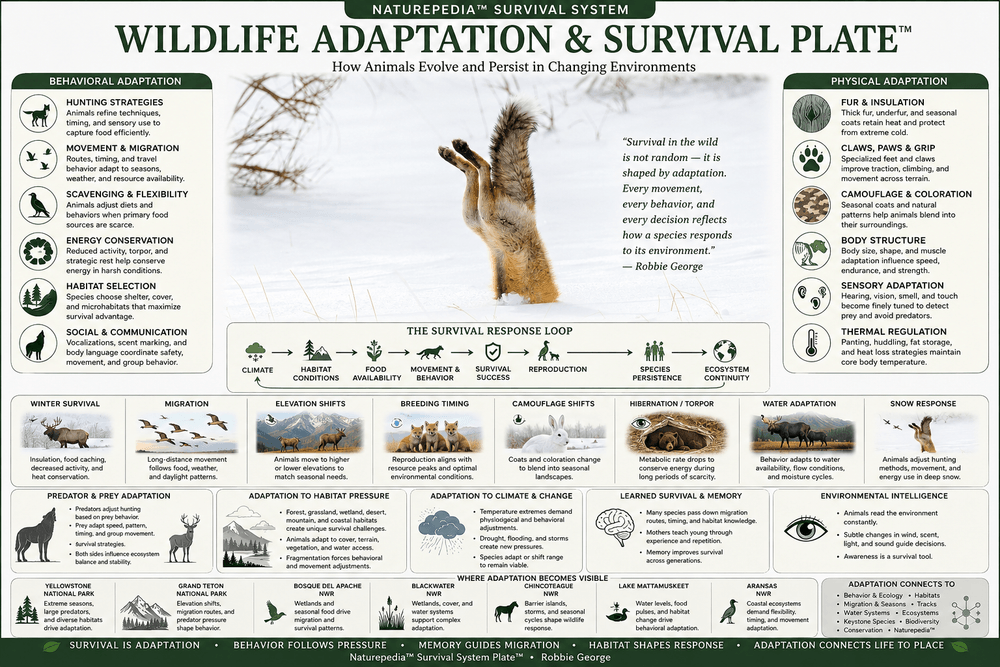
This master Plate™ organizes the traits, responses, environmental conditions, and evolutionary processes associated with wildlife survival. It connects behavior, body structure, physiology, seasonal timing, habitat, predation, resource availability, and population persistence while keeping within-lifetime adjustment separate from evolutionary adaptation.
The plate provides a visual overview of connected survival layers. Terms describing behavior on the plate should not be interpreted as proof that every useful action is an evolutionary adaptation.
How to read this plate: environmental conditions influence immediate behavior and physiology. Learning, development, plasticity, and acclimatization occur within individuals. Evolutionary adaptation requires heritable population change across generations.
Survival Route 01
Immediate Response, Learning, and Behavioral Plasticity
Behavior is often the fastest visible layer of wildlife response. An animal may change its position, feeding rate, vigilance, travel route, shelter use, activity period, or social spacing when conditions change. These immediate responses occur within an individual’s lifetime and should not automatically be called evolutionary adaptations.
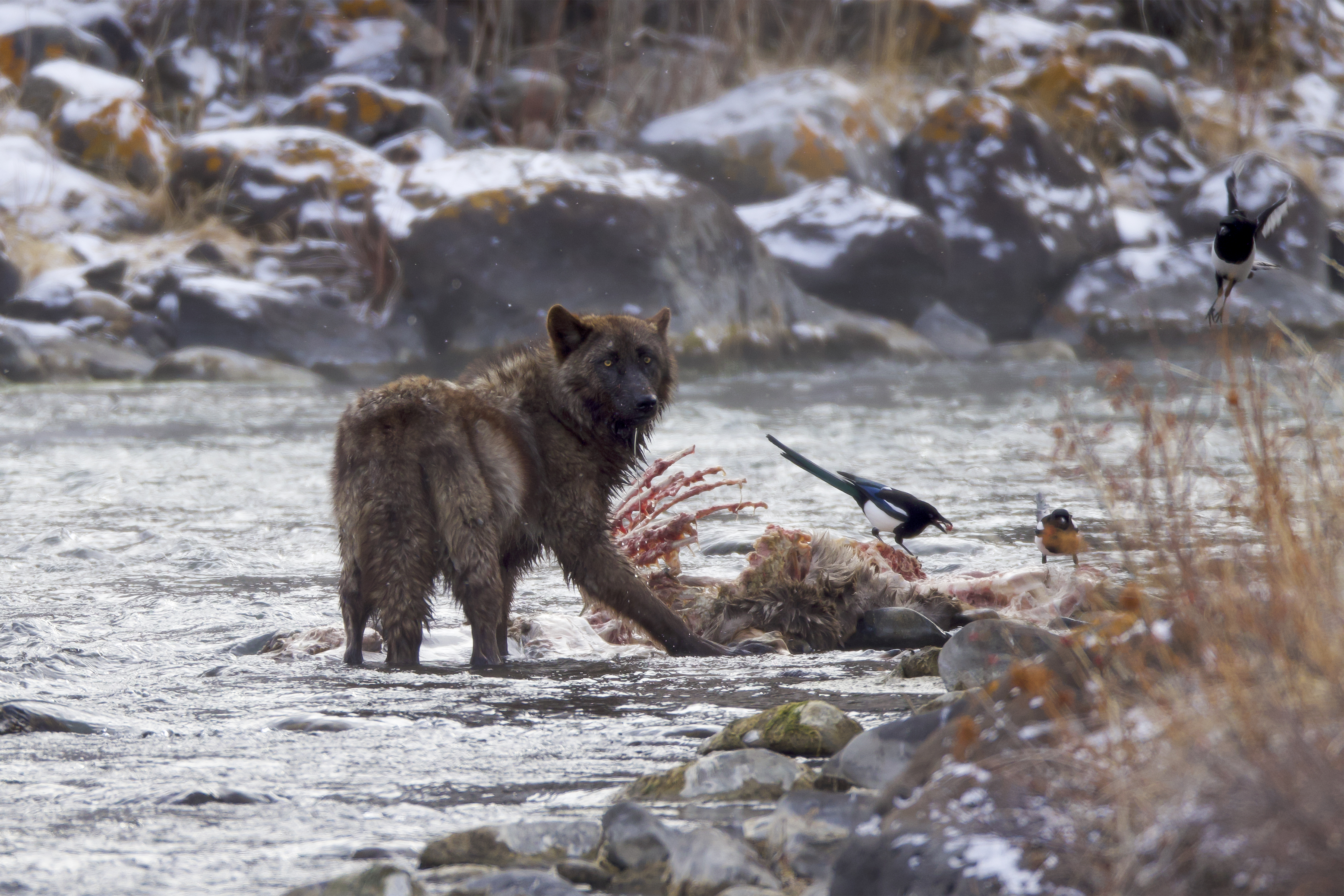
A black wolf feeds at a winter carcass site near scavenging birds. The photograph documents resource use and proximity among species; it does not establish whether the behavior was learned, habitual, individually flexible, or inherited.
A short-term change associated with present conditions, such as fleeing, seeking shade, increasing vigilance, or moving into cover.
Learning
A change in behavior associated with experience, practice, exposure, consequences, or information obtained from other animals.
Behavioral Plasticity
The capacity to express different behavior under different environmental, physiological, or social conditions.
Habituation
A reduced response after repeated exposure to a stimulus that has not produced a meaningful consequence.
Sensitization
An increased response following exposure to a strong, threatening, or otherwise significant stimulus.
Social Learning
Information or behavior acquired by observing or interacting with parents, offspring, group members, competitors, or other animals.
Behavior Can Be Flexible Without Being Unlimited
Behavioral plasticity allows animals to adjust among available responses, but flexibility has biological and environmental limits. An animal cannot learn its way around every shortage of food, loss of habitat, temperature extreme, disease, physical barrier, or reproductive constraint.
The capacity for plasticity may itself have an evolutionary history. That does not mean each flexible action is a new adaptation. The inherited capacity to vary and the specific behavior expressed under current conditions are different levels of explanation.
Behavior Passed Through Social Learning
Migration routes, foraging locations, predator recognition, hunting methods, and habitat knowledge may sometimes be transmitted through social learning. When socially learned behavior persists within a group or population, it may be described as cultural transmission. This is different from genetic inheritance, even though both can influence population persistence.
Scientific boundary: observing an effective behavior does not establish learning. Evidence for learning requires a documented relationship between experience and behavioral change.
Recording Behavioral Change
Record the animal’s behavior before and after the relevant condition or experience.
Note habitat, resource availability, weather, social context, disturbance, and risk.
Distinguish a one-time action from a repeated behavioral pattern.
Consider development, physiology, and environmental change as alternative explanations.
Avoid describing behavior as learned, intelligent, or adaptive without supporting evidence.
Acclimatization is an adjustment made by an individual after exposure to changing conditions in its natural environment. It occurs within a lifetime and may involve physiology, behavior, or both. Acclimatization is often reversible or partly reversible when the conditions change again.
These adjustments can help an individual maintain function under heat, cold, altitude, drought, changing salinity, altered food supply, or other environmental conditions. They are not the same as evolutionary adaptation because the adjustment itself is not a heritable population change across generations.
Temperature
Exposure to heat or cold may be associated with changes in metabolic activity, circulation, heat production, evaporative cooling, or shelter use.
Elevation
Individuals exposed to higher elevation may undergo physiological adjustments associated with reduced oxygen availability.
Water & Salinity
Changing water availability or salinity may influence water balance, kidney function, drinking, feeding, movement, and habitat use.
Seasonal Condition
Body mass, fat storage, coat condition, metabolism, and activity may change through interactions among environment, physiology, development, and biological rhythms.
Food Availability
Individuals may alter digestion, energy use, activity, body condition, and foraging behavior when food quantity or nutritional composition changes.
Environmental Stress
Repeated or sustained exposure can affect stress physiology, immune function, reproduction, movement, and resource allocation.
Acclimatization and Plasticity
Acclimatization is one expression of phenotypic plasticity—the capacity of an organism to express different characteristics under different conditions. Plasticity is the broader concept and can include behavioral, physiological, developmental, or morphological change.
The capacity to acclimatize can have a heritable basis and may itself have been shaped by evolution. The individual adjustment and the evolutionary history of that capacity remain distinct.
Acclimatization Has Limits
Adjustment requires time and energy and may create tradeoffs with growth, immune function, reproduction, or other biological demands. If environmental change is too rapid, severe, prolonged, or combined with habitat and resource loss, an individual’s capacity to acclimatize may be exceeded.
Scientific boundary: a photograph may show an animal under hot, cold, dry, wet, or high-elevation conditions. It cannot demonstrate acclimatization without physiological, behavioral, or performance evidence collected across exposure and time.
Evidence Needed
Measurements before and after exposure to the changing condition.
Evidence that the change occurred within the same individual or comparable individuals.
Physiological, behavioral, or performance measures relevant to the condition.
Consideration of age, sex, development, health, season, nutrition, and prior exposure.
Testing whether the adjustment reverses or changes when the environment changes again.
Evolutionary adaptation occurs when heritable characteristics associated with survival or reproduction are shaped within populations across generations. Individuals carry and express traits, but populations—not individual animals—evolve.
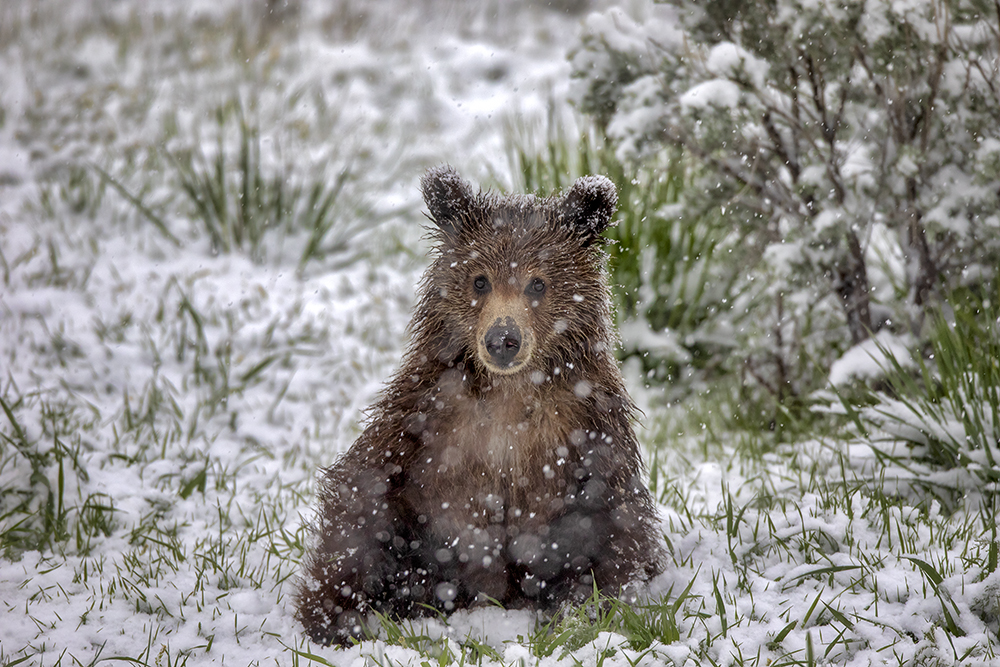
A grizzly bear cub displays developing structural and physiological characteristics. The photograph documents one individual and cannot establish the heritability, evolutionary history, or adaptive function of a particular trait.
Conditions Required for Evolution by Natural Selection
Variation
Individuals within a population differ in measurable characteristics.
Heritability
Some portion of the variation can be transmitted genetically from parents to offspring.
Different Outcomes
Individuals differ in survival or reproduction under particular environmental conditions.
Generational Change
The distribution of heritable characteristics changes within the population across generations.
Structural, Physiological, and Behavioral Traits
Structural Traits
Body size and shape, limbs, claws, teeth, bills, wings, feet, fur, feathers, coloration, and sensory structures.
Physiological Traits
Metabolism, thermoregulation, water balance, digestion, oxygen transport, sensory performance, and reproductive physiology.
Behavioral Traits
Inherited behavioral tendencies may influence movement, foraging, communication, mating, parental care, risk response, and seasonal timing.
Behavior can reflect inherited tendencies, learning, development, current physiology, and environmental context at the same time. Describing a behavior as evolutionarily adapted therefore requires more evidence than observing that it appears useful.
Evolution Has No Intended Goal
Natural selection does not plan for future conditions or give animals the traits they need. Evolution operates through existing heritable variation, reproduction, mutation, genetic drift, gene flow, selection, and other population processes.
Evolutionary fitness does not simply mean strength, size, intelligence, or longevity. It refers to reproductive contribution under particular conditions. A trait can carry benefits in one context and costs in another.
Scientific boundary: a trait that appears well suited to an environment is not automatically proven to be an adaptation. Evidence may require comparisons among populations or species, genetic analysis, experiments, long-term demographic records, or evolutionary history.
Adaptation Does Not Guarantee Persistence
A population adapted to past conditions may become vulnerable when habitat, climate, food, competitors, predators, disease, or disturbance changes rapidly. Small population size and limited genetic variation can further restrict the capacity for evolutionary response.
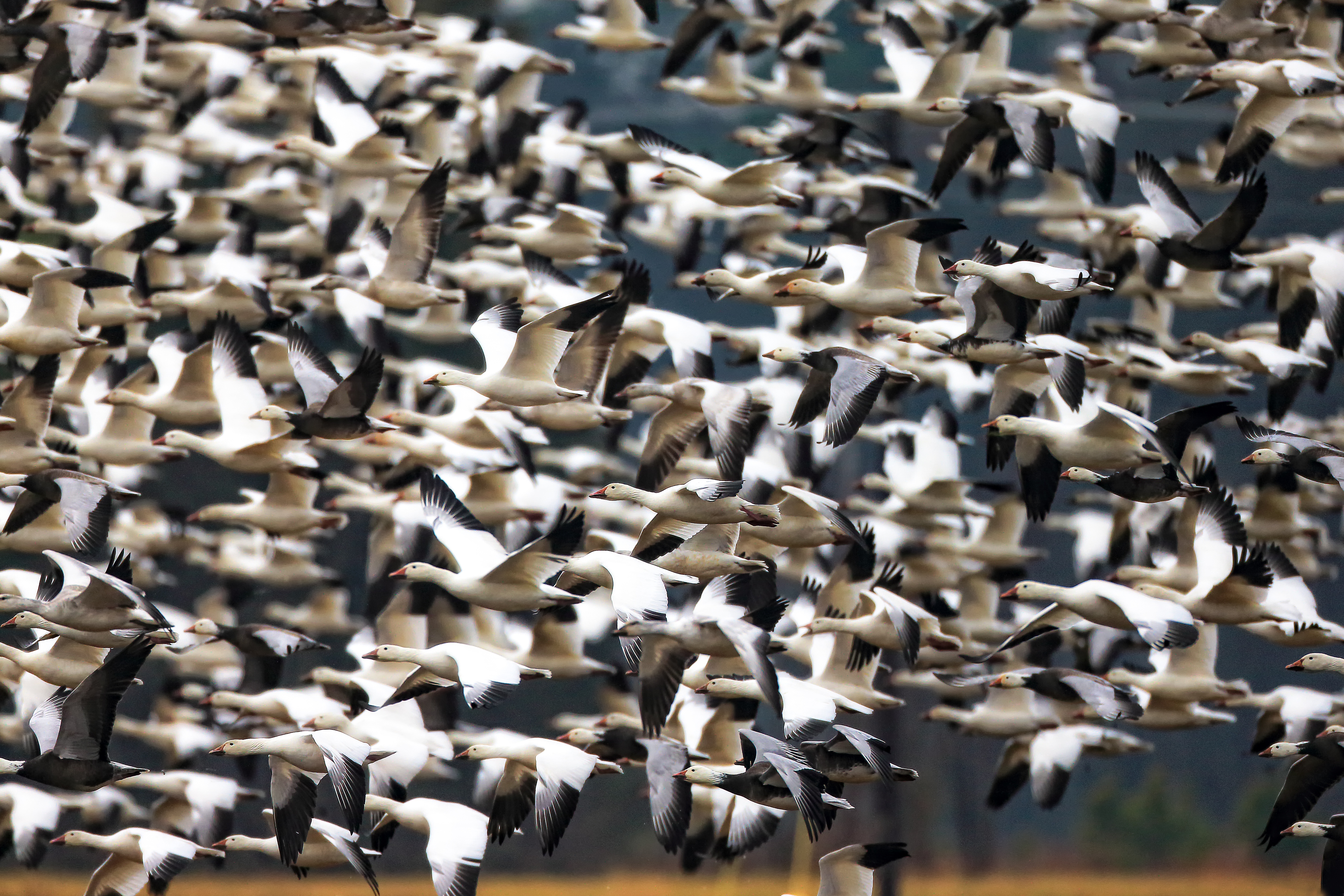
Animals encounter recurring changes in daylight, temperature, precipitation, snow, water, vegetation, prey, competition, and reproductive demands. Seasonal survival can involve inherited biological rhythms, physiological change, behavioral plasticity, learning, movement, and acclimatization.
Snow geese in flight during a period of seasonal movement. The photograph records flock movement but does not establish the flock’s origin, destination, migration stage, route, or the relative influence of inherited and learned information.
Animals may move between breeding, wintering, feeding, resting, or seasonal-use areas as conditions change.
Dormancy, Torpor & Hibernation
Some species reduce activity and metabolic demand for short or extended periods when energy is limited.
Molt & Seasonal Covering
Changes in fur or feathers may affect insulation, waterproofing, flight, display, and concealment.
Diet & Foraging Shifts
Animals may change foods, feeding sites, search patterns, activity periods, or energy expenditure as resources vary.
Food Storage
Some animals cache seeds, prey, or other resources for later use when food becomes less available.
Reproductive Timing
Breeding, birth, and hatching may be timed in relation to daylight, weather, food availability, migration, and offspring development.
Migration Combines Several Processes
Migration may include inherited orientation, biological timing, sensory guidance, social learning, experience, memory, and responses to current conditions. The movement performed by one animal is not a new evolutionary adaptation arising during that journey.
Populations of the same species may differ. Some individuals migrate while others remain resident. Routes, distances, departure times, and destinations may vary with age, sex, condition, experience, weather, habitat, and resource availability.
Timing Can Become Mismatched
Seasonal strategies depend on relationships among biological timing, food, water, temperature, habitat, and reproduction. When connected events shift at different rates, wildlife may encounter resources earlier or later than expected. The effects can differ among species, populations, and locations and must be measured rather than assumed.
Scientific boundary: not every seasonal change is an adaptation. It may be an immediate response, an acclimatization effect, a recurring developmental process, a learned behavior, an inherited rhythm, or a combination of these.
Recording Seasonal Survival
Record date, location, weather, daylight, snow, water, vegetation, and food conditions.
Distinguish local movement, range shifts, dispersal, and recurring migration.
Document arrival, departure, feeding, breeding, molt, dormancy, and emergence separately.
Compare observations across individuals, populations, locations, and years.
Avoid inferring a long-term trend from one unusually early or late event.
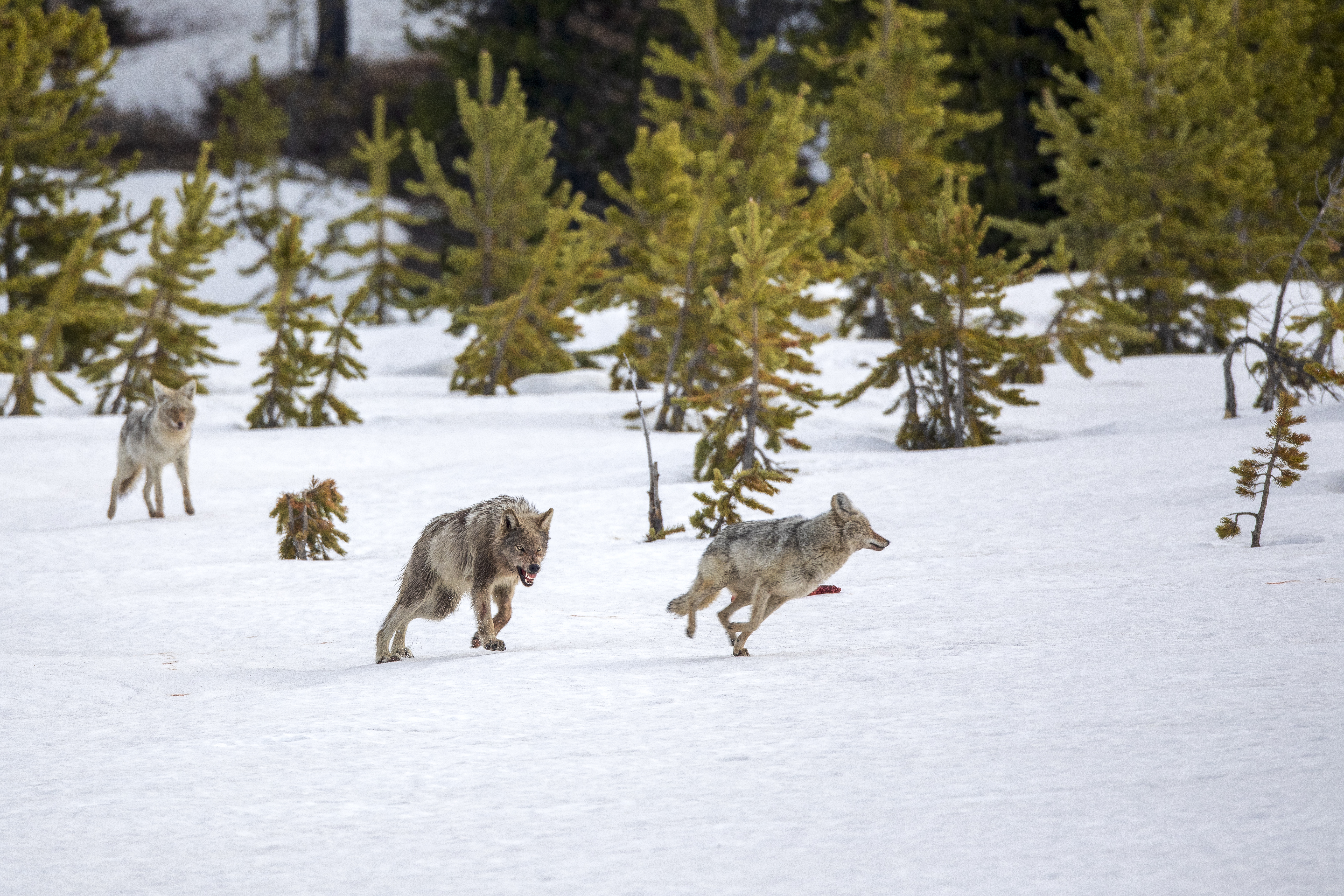
Predators and prey interact through traits and behaviors associated with detection, concealment, pursuit, capture, defense, escape, vigilance, grouping, and habitat use. These relationships can influence survival and reproduction, but they do not represent a single planned contest or a fixed evolutionary ladder.
A gray wolf and coyote move near a carcass during an interspecific encounter. This is evidence of proximity and movement around a shared resource—not, by itself, proof of predation, permanent dominance, evolutionary change, or a trophic cascade.
Sensory systems, locomotion, teeth, claws, bills, venom, concealment, endurance, speed, and other characteristics may affect prey detection and capture.
Prey Traits
Sensory detection, camouflage, armor, toxins, speed, maneuverability, group defense, warning signals, and escape structures may reduce risk.
Immediate Responses
Freezing, fleeing, hiding, grouping, alarm calling, pursuit, ambush, abandonment, or habitat shifts can occur during particular encounters.
Predator–Prey Relationships Are Context-Dependent
Snow depth, vegetation, water, terrain, visibility, weather, group size, age, health, experience, distance, and energetic condition can influence the outcome of an encounter. Many pursuits end without capture, and many predators abandon attempts when the expected cost becomes too high.
Animals may also alter behavior in response to perceived risk without direct pursuit. Greater vigilance, changes in group size, different feeding locations, reduced use of exposed habitat, and shifts in daily activity can influence how prey use a landscape.
Competition and Shared Resources
Predators and scavengers may encounter one another at carcasses or other concentrated resources. They may feed in sequence, tolerate one another temporarily, defend access, steal food, wait nearby, or leave. These interactions are distinct from direct predator–prey relationships even though they occur within the same food web.
Scientific boundary: describing a trait as a predator or prey adaptation requires evidence of heritability, function, and evolutionary history. A dramatic encounter can illustrate behavior but cannot demonstrate those processes alone.
Coevolution Without a Planned Arms Race
Predators and prey can impose reciprocal selection pressures, contributing to coevolutionary change. This does not mean that every trait evolved solely because of the other species or that evolution continually produces perfect countermeasures. Traits are constrained by history, tradeoffs, genetic variation, and multiple environmental pressures.
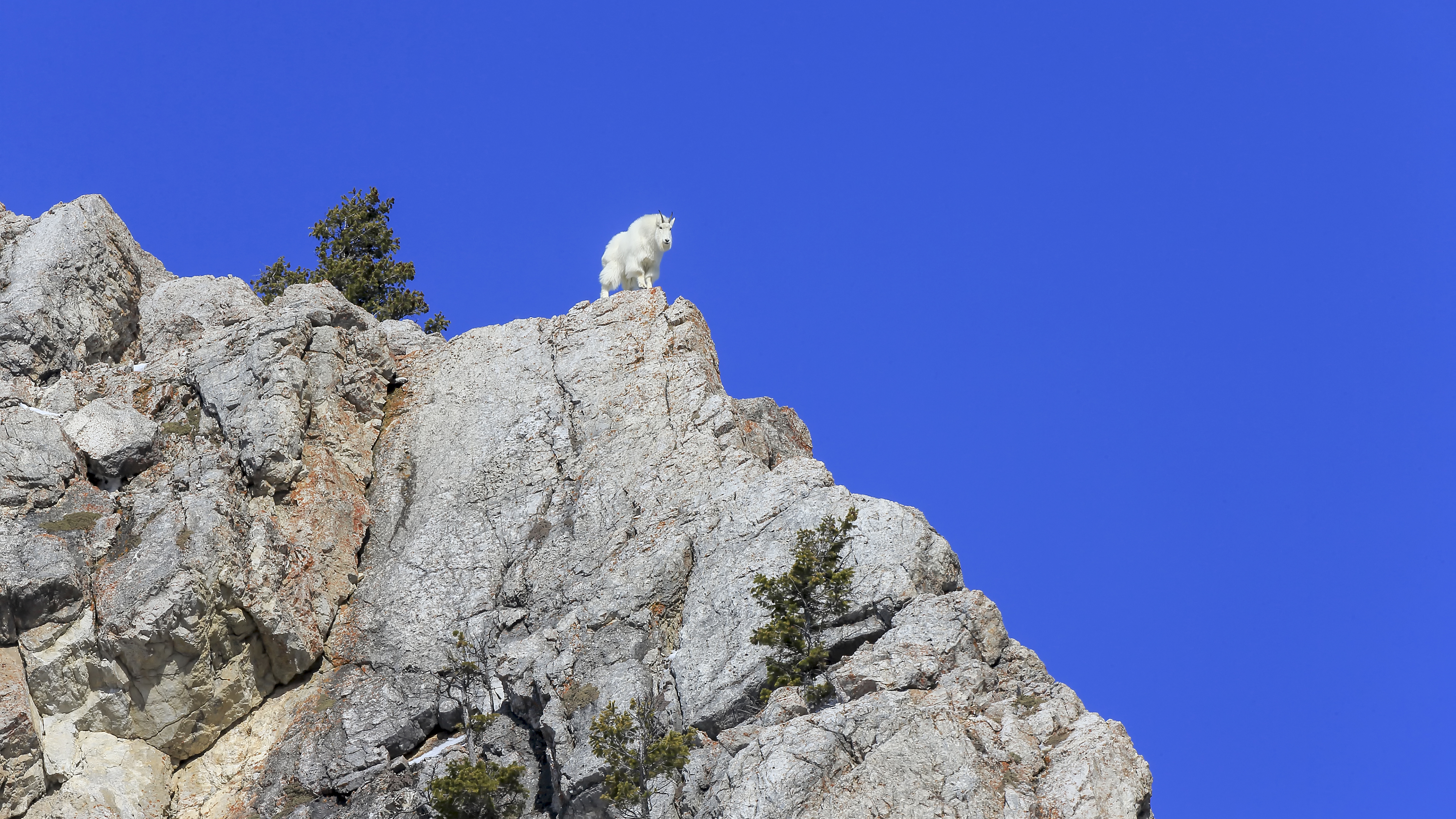
Wildlife survival depends on relationships among traits, behavior, resources, physical conditions, and habitat structure. Terrain, vegetation, water, temperature, shelter, breeding sites, prey, predators, competitors, and disturbance all influence which characteristics are useful in a particular environment.
A mountain goat stands on steep alpine terrain. The photograph documents morphology, posture, and habitat use, but comparative and evolutionary evidence is needed to identify the adaptive history of particular traits.
Specialists use a relatively narrow range of resources or environmental conditions. Specialization may support effective performance in those conditions while increasing vulnerability when essential habitat features disappear.
Habitat Generalists
Generalists use a broader range of foods, habitats, or conditions. This flexibility can support persistence under some kinds of change but does not make a species immune to habitat loss, disturbance, or environmental extremes.
Habitat Does Not Create Needed Traits on Demand
Steep terrain does not intentionally produce gripping hooves, and cold conditions do not give an individual population the exact insulation it needs. Environmental conditions interact with existing variation. Across generations, selection may change the frequency of heritable characteristics associated with performance and reproduction under those conditions.
Development, learning, plasticity, and acclimatization can also affect how individuals use habitat. These processes may provide important flexibility without changing the population genetically.
When Environments Change
Behavioral Change
Individuals may alter activity, movement, diet, shelter, social spacing, or habitat use within existing limits.
Range Shift
Individuals or populations may move toward areas where suitable resources and physical conditions remain accessible.
Population Decline
Survival or reproduction may decline when essential conditions disappear or change beyond tolerable limits.
Evolutionary Change
Heritable population characteristics may change across generations when sufficient variation, reproduction, time, and connectivity remain.
Gene Flow
Movement and reproduction among populations can introduce genetic variation, although effects depend on source populations and conditions.
Local Extirpation
A population may disappear from part of its range when environmental change exceeds its capacity to persist or relocate.
Fragmentation Restricts Response
Roads, development, fences, altered waterways, habitat conversion, and other barriers can restrict movement among feeding, breeding, resting, and seasonal-use areas. Fragmentation can also reduce gene flow and isolate small populations.
A species may possess traits suited to a habitat yet still decline when the habitat becomes too small, disconnected, disturbed, or unable to provide the full set of resources required across its life cycle.
Scientific boundary: range expansion, movement into a new location, or persistence in altered habitat does not by itself demonstrate evolutionary adaptation. The change may reflect dispersal, behavior, plasticity, acclimatization, altered competition, or temporary habitat use.
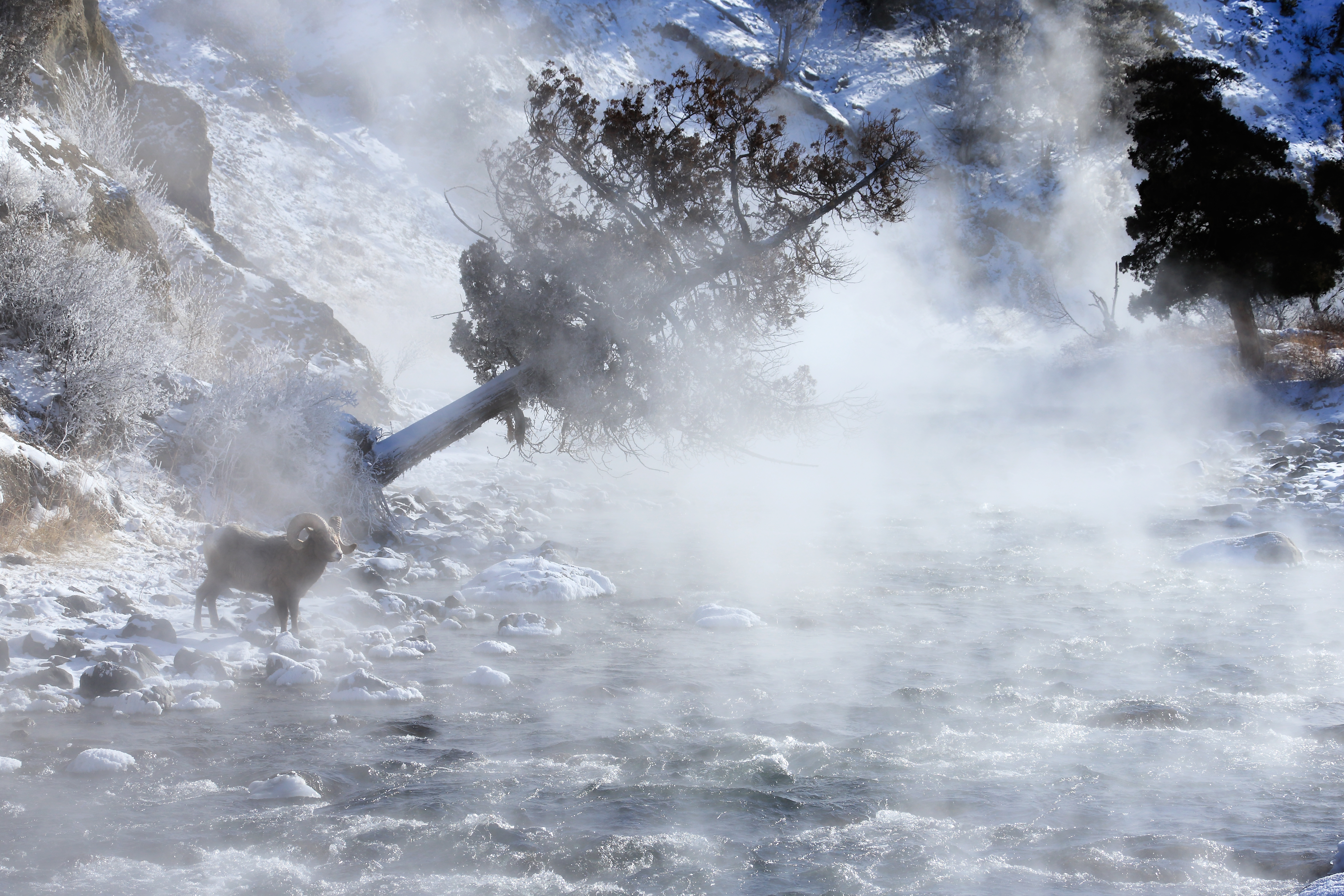
Field observation can document traits, behavior, habitat use, environmental conditions, survival events, and reproductive activity. Demonstrating evolutionary adaptation requires additional evidence connecting variation, heritability, function, reproductive outcomes, and population change across generations.
A bighorn sheep photographed in a winter river corridor. The image records morphology, location, season, and visible condition; it cannot independently demonstrate thermoregulation, fitness, heritability, or evolutionary adaptation.
A structural, physiological, developmental, or behavioral characteristic is measured or documented.
Level 2
Demonstrated Function
Observation or experiment establishes how the characteristic influences performance in a defined context.
Level 3
Heritable Variation
Genetic, breeding, family, or population evidence shows that relevant variation can be inherited.
Level 4
Fitness Relationship
The trait is associated with differences in survival or reproduction under specified environmental conditions.
Level 5
Population Change
Heritable characteristics or gene frequencies change within the population across generations.
Level 6
Evolutionary History
Comparative, genetic, fossil, developmental, or phylogenetic evidence helps reconstruct how the trait arose and changed.
What Photography Can Establish
A photograph may document body structure, coloration, posture, behavior, habitat, weather, season, nearby species, and a precise fraction of time. A sequence can preserve changes in action and interaction. Timestamps, location records, field notes, and repeated photographs strengthen the observation.
Photography cannot directly demonstrate genes, heritability, reproductive fitness, selection across generations, evolutionary origin, or population-level change. Those claims require other forms of evidence.
Tracks and Sign Document Movement—not Evolution
Tracks can document presence, direction, gait, pace, route use, and interaction with terrain. Feeding marks, bedding areas, trails, scat, feathers, hair, nests, dens, and carcass sites may provide additional behavioral and ecological evidence.
These records may show how an animal moved or used habitat under particular conditions. They do not independently prove that the behavior or body structure involved is an evolutionary adaptation.
Interpretation standard: identify the trait or behavior, document its context, test its function, establish heritability, measure survival or reproductive consequences, and evaluate change at the population level before making a strong evolutionary claim.
Wildlife traits and survival strategies become meaningful when studied within species, populations, habitats, and seasons. These examples provide routes into more specific Naturepedia records without treating one species or location as proof of a universal adaptive rule.
Representative Species
Red Fox
Foraging behavior, sensory use, dietary flexibility, seasonal coat condition, and movement across varied habitats.
Field boundary: these locations provide opportunities to observe traits, behavior, environmental conditions, and survival challenges. They are field contexts—not open-air experiments proving evolutionary adaptation.
Naturepedia Connections
Connect Adaptation to the Larger Wildlife System
Wildlife adaptation cannot be separated from habitat, behavior, seasonal timing,
ecological relationships, or evolutionary history. These Naturepedia routes follow
the connections from environmental conditions and individual responses to survival,
reproduction, population change, and adaptation across generations.
Environmental conditions
→
individual response
→
learning, plasticity, or acclimatization
→
survival and reproduction
→
heritable population change
→
evolutionary adaptation
These answers distinguish immediate individual responses from learned behavior,
acclimatization, inherited traits, natural selection, and evolutionary change.
What is wildlife adaptation?
Wildlife adaptation is a heritable characteristic that became more common across generations because it was associated with survival or reproductive advantages in a particular environment.
Can an individual animal evolve during its lifetime?
No. An individual may learn, develop, acclimatize, or express existing plasticity during its lifetime, but evolutionary change is measured across generations in populations.
What is the difference between adaptation and acclimatization?
Acclimatization is a generally reversible physiological adjustment made by an individual in response to environmental conditions. Adaptation involves heritable population-level change across generations.
What is the difference between learning and adaptation?
Learning changes an individual’s behavior through experience. An evolutionary adaptation is heritable and becomes established through population change across generations, although evolved learning abilities may themselves be adaptations.
Is every useful wildlife trait an adaptation?
No. A useful trait may be an adaptation, a developmental response, a flexible behavior, a by-product of another trait, or a characteristic that has not been tested for heritability and fitness effects.
How does natural selection produce adaptation?
Natural selection occurs when individuals vary in heritable characteristics and those differences are associated with unequal survival or reproduction. Over generations, advantageous variants may become more common in the population.
Does adaptation guarantee survival?
No. Adaptations are context-dependent and involve tradeoffs. Environmental change, disease, competition, habitat loss, extreme events, and limited genetic variation can still reduce survival or reproduction.
Can a photograph prove that a trait is an adaptation?
No. A photograph can document a visible trait, behavior, individual, place, and moment, but demonstrating adaptation generally requires evidence about function, heritability, fitness, population variation, and evolutionary history.
How does seasonal change affect wildlife survival?
Seasonal change alters temperature, daylight, water, food, cover, predation risk, and reproductive opportunity. Wildlife may respond through movement, migration, molt, dormancy, food switching, physiological adjustment, or changes in activity.
What evidence is needed to demonstrate adaptation?
Strong evidence may include documented trait variation, a tested function, heritability, differences in survival or reproduction, population change across generations, genetic evidence, comparative analysis, or evolutionary history.
About the Author
Robbie George
Robbie George is an independent National Geographic–published nature photographer and field observer.
His field work documents wildlife, landscapes, habitats, seasonal change, and ecological relationships across North America. Photography provides a record of particular animals, traits, behaviors, places, and moments; broader claims about adaptation require evidence extending beyond any single image or encounter.
Robbie created Naturepedia to connect field observation and nature photography with carefully bounded explanations of Earth systems, ecosystems, wildlife, and the living relationships visible across the landscape.
The presence of this badge signifies that this business has officially registered with the Art Storefronts Organization and has an established track record of selling art.
It also means that buyers can trust that they are buying from a legitimate business. Art sellers that conduct fraudulent activity or that receive numerous complaints from buyers will have this badge revoked. If you would like to file a complaint about this seller, please do so here.
Verified Returns & Exchanges
The Art Storefronts Organization has verified that this business has provided a returns & exchanges policy for all art purchases.
Description of Policy from Merchant:
What is your Policy on Returns/Exchanges/Refunds?
I take great pride in my work and prints, and I want you to be completely happy with your investment in my nature art. If for any reason you are unsatisfied with your print, you may return it within 14 days of delivery, and/or exchange it for another print. Prints must be returned in new condition, packaged carefully in the original packaging if possible. Your refund will be issued as soon as I receive the returned print. Please contact me if you would like to arrange a return or exchange.
In the event that you receive a damaged or defective print, please let me know within 7 days of receipt, and I will arrange for a new print to be shipped to you at no additional cost.
Verified Secure Website with Safe Checkout
This website provides a secure checkout with SSL encryption.
Verified Archival Materials Used
The Art Storefronts Organization has verified that this Art Seller has published information about the archival materials used to create their products in an effort to provide transparency to buyers.
Description from Merchant:
Fine Art Prints are made with high-quality archival inks on fine art papers using a high-resolution large format inkjet printer. Our premium archival inks produce images with smooth tones and rich colors. Prints are made with care on your choice of exquisite Fine Art Papers using a high-resolution large format inkjet printer. https://www.graphikprintworks.com
Become a supporter of Robbie George Photography and be the first to receive new content and special promotions.
“Every image is a field. Every quote is a key. Welcome back to the rhythm.” ~Robbie
Cart
Your cart is currently empty.
Saved Successfully.
This is only visible to you because you are logged in and are authorized to manage this website. This message is not visible to other website visitors.
Import From Instagram
Click on any Image to continue
This Website Supports Augmented Reality to Live Preview Art
This means you can use the camera on your phone or tablet and superimpose any piece of nature art onto a wall inside of your home or business.
To use this feature, Just look for the "Live Preview AR" button when viewing any piece of nature art on this website!
Pounce Now—Save 20% on Your First Order
Join the collector list for your first-order discount, new wildlife releases, and occasional field notes.