🌿 How Species, Habitats, and Ecosystems Connect Across North America

Naturepedia › Life & Ecology

Wildlife Systems & Ecology

How species, habitats, behavior, food webs, seasonal movement, plant communities, and field evidence connect across North America.

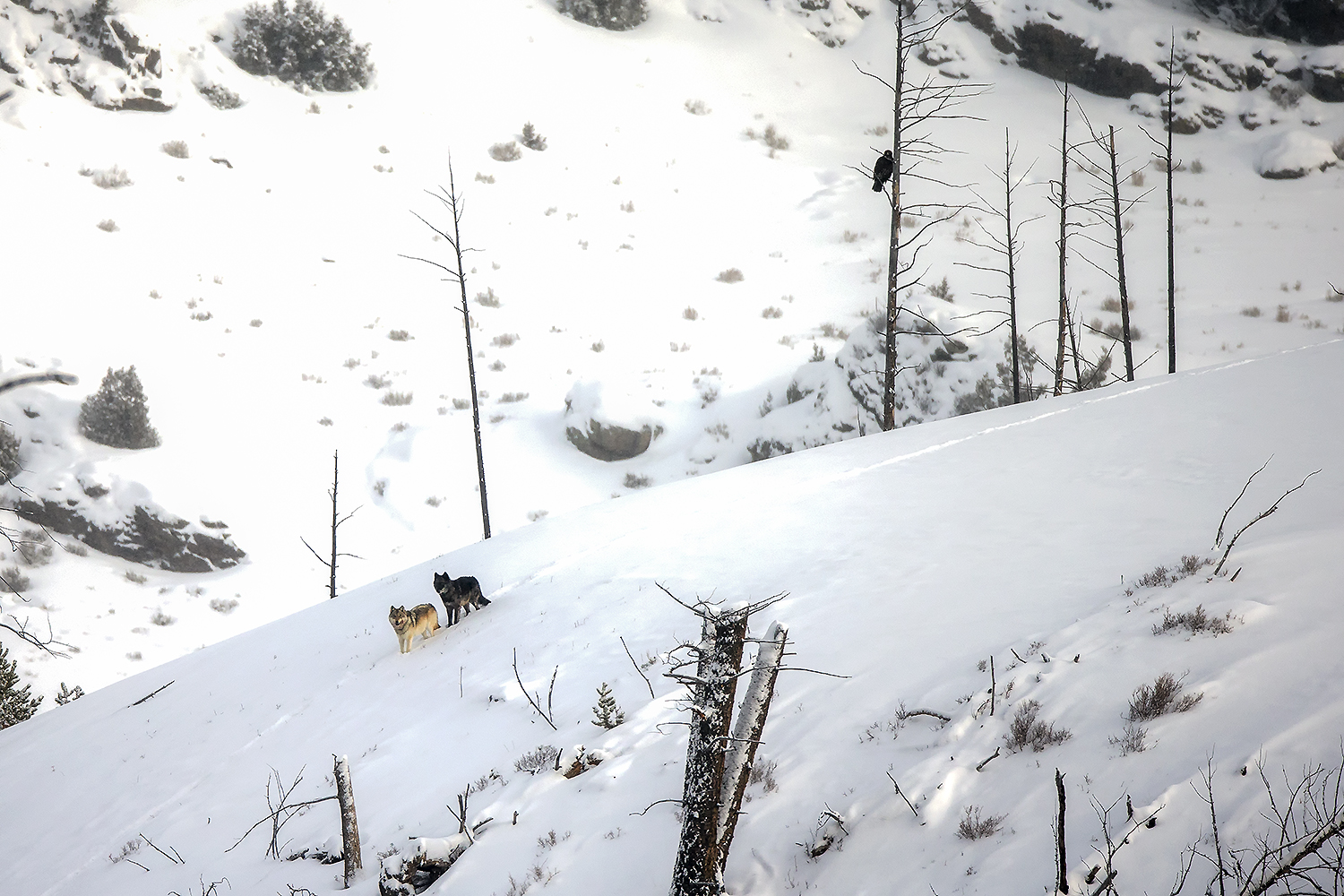
Two wolves on a snowy Yellowstone hillside with a golden eagle above, showing predator relationships, winter habitat, and scavenger ecology
Wolves and a golden eagle occupy different ecological roles within the same Yellowstone winter system. Field photograph: Intertwined Destinies by Robbie George.

Wildlife Systems & Ecology is the parent Naturepedia hub for understanding how animals interact with habitats, resources, other organisms, environmental conditions, and seasonal change. It connects individual species to the larger ecological relationships that influence behavior, movement, reproduction, and survival.

Naturepedia uses the term wildlife system as an educational organizing framework. It brings together accepted ecological concepts—including habitat, behavior, food webs, biodiversity, migration, adaptation, plant-animal relationships, disturbance, and field evidence—without treating wildlife as isolated entries.

“Wildlife is never just the animal. It is the habitat, the season, the pressure of survival, and the relationships that shape every movement across the land.” — Robbie George

Explore the System

Use This Wildlife Systems Hub

Begin with the master Wildlife Systems Plate, follow the page’s ecological pathway, or move directly into behavior, habitats, plant-animal relationships, food webs, seasonal movement, and field evidence.

Foundation

Ecosystems, Habitats & Biodiversity

Begin with the physical and biological settings that determine where organisms live and how communities are structured.

Ecosystems of North America
Wildlife Habitats & Ecosystem Zones
Biodiversity & Ecosystem Balance

Animals in Motion

Behavior, Migration & Adaptation

Follow how animals respond to resources, competitors, predators, seasons, environmental constraints, and changing habitat conditions.

Wildlife Behavior & Ecology
Migration & Seasonal Patterns
Wildlife Adaptation & Survival

Living Relationships

Food Webs, Plants & Pollinators

Explore feeding relationships, plant communities, pollination, resource networks, ecosystem engineering, and other interactions among organisms.

Food Webs & Ecological Relationships
Keystone Species & Trophic Cascades
Floral Resource Networks™
Plant Communities & Native Habitat Systems™

Field Evidence

Observation, Tracks & Place

Move from ecological knowledge into direct observation through behavior, tracks, sign, seasonal timing, and real field locations.

Wildlife Observation & Field Techniques
North American Animal Tracks
Field Locations
Seasonal Wildlife Calendar

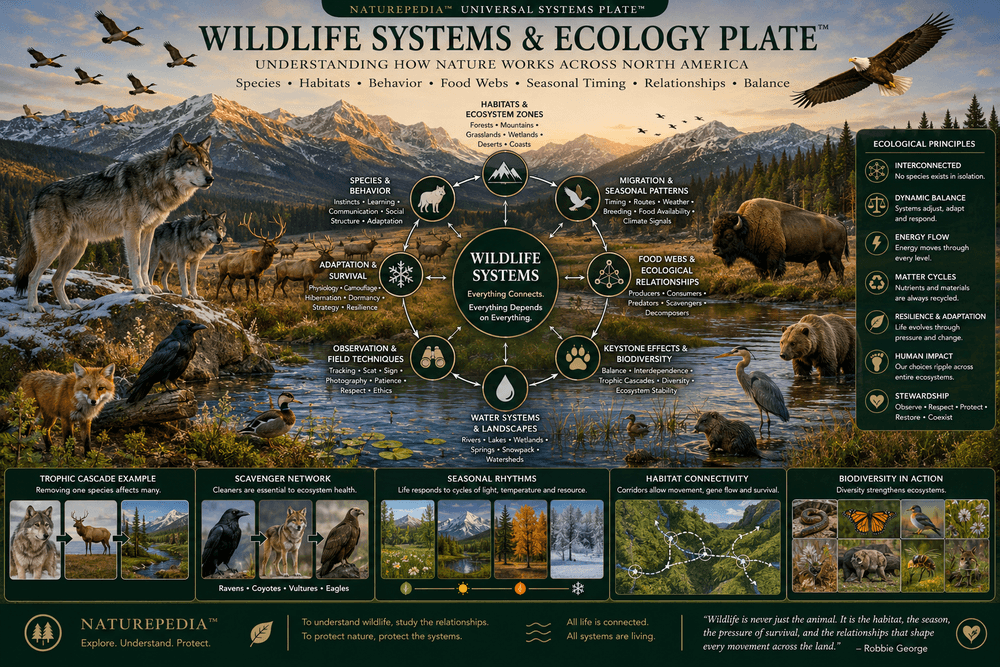
Naturepedia Wildlife Systems Plate™

Wildlife Systems & Ecology Plate™

A visual overview connecting species, habitats, behavior, food webs, water, migration, seasonal timing, keystone effects, biodiversity, adaptation, and field observation across North American wildlife systems.

Wildlife Systems and Ecology Plate showing connections among North American species, habitats, behavior, water systems, migration, food webs, seasonal timing, keystone effects, biodiversity, adaptation, and field observation
Wildlife Systems & Ecology Plate™ by Robbie George—a Naturepedia parent-system plate connecting organisms to habitat, behavior, movement, ecological relationships, environmental conditions, and field evidence.

How to Read This Plate

Begin with an organism, then follow its relationships outward: behavior, habitat, food and other resources, competing or interacting species, water and weather, seasonal timing, movement, adaptation, and field evidence. No wildlife relationship operates entirely alone.

The plate is an educational systems map. It simplifies a complex ecological network for navigation and comparison; it is not a complete food web, formal ecological model, or substitute for site-specific research.

Plate ID: wildlife-systems-ecology-north-america#wildlife-systems-ecology-plate  ·  System: Naturepedia Wildlife Systems Plates™  ·  Node Type: Naturepedia Parent System Plate

Scientific Foundation

What Are Wildlife Systems?

In Naturepedia, a wildlife system is an educational framework for examining how animals interact with other organisms, habitat, resources, physical conditions, ecological processes, and change through time.

The term does not represent one universally standardized category in ecology. It organizes accepted concepts from behavioral ecology, population ecology, community ecology, ecosystem ecology, landscape ecology, and field biology into a connected pathway for learning and observation.

Six Components of a Wildlife System

The relative importance of each component depends on the organism, location, season, life stage, and ecological question being examined.

Component 01

Organisms & Populations

Individuals belong to populations and biological communities. Their abundance, age, health, distribution, genetic variation, and life histories influence how they use a landscape.

Component 02

Habitat & Physical Conditions

Vegetation, terrain, water, temperature, weather, shelter, soil, substrate, elevation, and other conditions influence where organisms can feed, breed, rest, and survive.

Component 03

Resources & Energy

Food, water, shelter, nesting sites, territory, nutrients, and other resources vary through space and time, influencing competition, movement, reproduction, and population density.

Component 04

Ecological Relationships

Predation, herbivory, competition, parasitism, pollination, scavenging, decomposition, cooperation, and other interactions connect organisms through ecological networks.

Component 05

Movement & Time

Daily activity, dispersal, migration, breeding, dormancy, seasonal resource use, and changing environmental conditions connect wildlife systems across multiple places and time scales.

Component 06

Disturbance & Change

Fire, flooding, storms, drought, disease, grazing, development, land management, invasive organisms, and other disturbances can reorganize habitat and biological relationships.

Wildlife Systems Across Scale

Each level provides useful information, but conclusions from one level should not automatically be applied to another.

01

Individual

Behavior, condition, decisions, and life history

02

Population

Abundance, distribution, reproduction, and survival

03

Community

Interacting populations of different species

04

Ecosystem

Communities interacting with physical conditions

05

Landscape

Connected habitats, ecosystems, barriers, and movement routes

Follow the Physical and Ecological Foundation

Explore physical conditions through Earth Systems, ecosystem structure through Ecosystems of North America, and hydrological connections through Water Systems™.

Animals Within Ecological Systems

Species, Behavior & Ecology

A species entry identifies an organism, but behavior reveals how individuals acquire resources, avoid danger, reproduce, communicate, move through habitat, and respond to changing environmental conditions.

A Simplified Behavior–Ecology Pathway

Behavior emerges from inherited traits, development, learning, physiological state, sensory information, social context, and environmental conditions.

01

Conditions

Weather, habitat, resources, competitors, predators, and season

02

Information

Sight, sound, scent, touch, memory, and social signals

03

Response

Foraging, movement, communication, defense, courtship, or rest

04

Interaction

Effects on resources, other organisms, movement, and habitat use

05

Outcome

Energy gained, risk encountered, reproduction, survival, or relocation

Foraging & Feeding

Animals choose when, where, and how to search for food while balancing energy gain, competition, travel cost, and exposure to danger.

Movement & Navigation

Daily travel, dispersal, home-range use, migration, and orientation connect animals to changing resources, breeding areas, and seasonal habitat.

Reproduction & Care

Courtship, mate choice, nesting, denning, territorial behavior, parental care, and juvenile development influence reproductive success.

Communication & Social Behavior

Calls, scent marking, posture, displays, contact, and group behavior can communicate identity, reproductive condition, danger, territory, or social status.

Predator Avoidance & Defense

Vigilance, concealment, grouping, alarm signals, escape, defensive structures, and shifts in habitat use can reduce risk.

Habitat Modification

Burrowing, grazing, browsing, dam building, nest construction, trail formation, and other activities can modify local environmental conditions.

Behavior Connects Species to Larger Networks

Predators, Prey & Scavengers

Hunting, avoidance, carcass use, competition, and seasonal prey movement connect multiple species without implying that one interaction alone controls an ecosystem.

Plants, Pollinators & Seed Dispersers

Foraging by insects, birds, and mammals can transfer pollen or disperse seeds, while plant flowering and fruiting influence the timing and location of animal activity.

Ecosystem Engineers

Some organisms substantially modify local habitat. Beaver dams, burrows, trails, nests, grazing, and vegetation removal can alter conditions for other species.

Explore Behavior and Living Relationships

Continue through Wildlife Behavior & Ecology, explore individual animals through the Wildlife Species Guide, or follow plant-animal interactions through Floral Resource Networks™.

Continue to Habitats & Ecosystem Zones →

Where Wildlife Lives

Habitats & Ecosystem Zones

Habitat describes the environmental conditions and resources used by a particular organism, population, or life stage. The same landscape can provide suitable habitat for one species, marginal habitat for another, and no usable habitat for a third.

Habitat

The place and conditions an organism or population uses for feeding, shelter, reproduction, movement, or another part of its life cycle.

Ecosystem

Organisms interacting with one another and with physical conditions, energy flow, material cycling, disturbance, and change through time.

Geographic Range

The broader geographic area in which a species occurs. Not every location inside the mapped range provides suitable habitat at all times.

Ecological Niche

The set of environmental conditions, resource requirements, tolerances, and ecological relationships associated with how a species persists.

What Makes Habitat Usable?

Habitat quality is species-specific and can change among seasons, sexes, ages, and life stages.

Food & Water

Available resources must occur in usable places and at biologically relevant times.

Shelter & Cover

Vegetation, dens, cavities, cliffs, water, snow, burrows, or terrain can provide refuge and protection.

Breeding Conditions

Nesting sites, dens, spawning areas, display grounds, nursery habitat, and appropriate timing support reproduction.

Microclimate

Local temperature, moisture, shade, wind exposure, water depth, and snow conditions can determine habitat suitability.

Space & Movement

Animals may require connected feeding areas, breeding grounds, seasonal ranges, stopover sites, or escape routes.

Disturbance Level

Noise, recreation, roads, development, predators, competitors, fire, flooding, or other pressures can influence habitat use.

Zones, Edges & Connectivity

Habitats are often arranged as gradients and patches rather than sharply separated units. Forest interiors, canopy layers, wetland margins, shorelines, elevation bands, riparian corridors, and transitions between vegetation types create different conditions within the same landscape.

Edges may benefit species that use multiple habitat types, while interior-dependent or disturbance-sensitive organisms may be negatively affected by increased exposure. Connectivity determines whether wildlife can move among the areas needed throughout its life cycle.

Explore Habitat Through North America’s Ecosystem Families

Each guide examines how physical conditions, vegetation, water, disturbance, and seasonal change create different opportunities and constraints for wildlife.

Explore Wildlife Habitat in Greater Detail

Continue to Wildlife Habitats & Ecosystem Zones for habitat structure, connectivity, fragmentation, edge effects, plant communities, water systems, and field observation.

Continue to Migration & Seasonal Patterns →

Wildlife Through Space & Time

Migration & Seasonal Patterns

Wildlife systems extend beyond one habitat or season. Animals move daily, disperse into new areas, shift among seasonal ranges, and migrate between breeding, feeding, resting, and wintering grounds.

A Seasonal Movement Pathway

Movement is influenced by inherited behavior, physiological condition, experience, social information, environmental cues, resource availability, and landscape structure.

01

Conditions

Daylight, weather, water, snow, temperature, and habitat

02

Timing

Breeding cycles, plant growth, prey activity, and seasonal cues

03

Movement

Local travel, dispersal, seasonal range shifts, or migration

04

Pathways

Corridors, flyways, rivers, coastlines, valleys, and stopovers

05

Destination

Feeding, breeding, nursery, resting, or winter habitat

Daily Movement

Travel among feeding areas, water, shelter, resting sites, territories, and places used to avoid danger.

Dispersal

Movement away from a birthplace or established area that can connect populations and contribute to gene flow.

Seasonal Range Shifts

Movement among areas used during different seasons, elevations, water conditions, or stages of reproduction.

Migration

Recurring directional movement between areas, often associated with breeding, food availability, weather, or seasonal conditions.

Movement Connects Distant Ecosystems

Waterfowl & Cranes

Wetlands, rivers, agricultural areas, refuges, and coastal systems can function as breeding, stopover, and winter habitat.

Ungulates

Elk, pronghorn, deer, and other hoofed mammals may move among seasonal ranges as forage, snow, water, and disturbance change.

Shorebirds & Seabirds

Coastlines, estuaries, islands, tidal flats, inland wetlands, and offshore feeding areas can form connected seasonal networks.

Follow Wildlife Movement Through Naturepedia

Explore migration routes, flyways, mammal movement, stopovers, and seasonal constraints through Wildlife Migration & Seasonal Patterns, then use the Seasonal Wildlife Calendar to connect recurring patterns with field observation.

Continue to Food Webs & Ecological Relationships →

Energy, Materials & Interaction

Food Webs & Ecological Relationships

Wildlife systems are connected through networks of feeding and non-feeding relationships. Food webs describe pathways through which energy and biological material move among producers, consumers, scavengers, decomposers, and the physical environment.

A Simplified Food-Web Pathway

Real food webs contain overlapping pathways, omnivory, parasites, seasonal changes, movement, competition, and feedbacks not shown in a simple sequence.

01

Producers

Plants, algae, and other primary producers

02

Primary Consumers

Herbivores and organisms that consume producers

03

Predators & Omnivores

Organisms feeding across one or more trophic levels

04

Scavengers & Detritivores

Organisms using carrion, waste, or dead organic material

05

Decomposers

Fungi, bacteria, and other agents of decomposition

Predation

One organism captures and consumes another, connecting predator behavior to prey abundance, distribution, and habitat use.

Herbivory

Animals consume plants or algae, influencing both animal nutrition and the growth, reproduction, or structure of producers.

Competition

Organisms may compete when they depend on limited food, water, shelter, territory, nesting sites, light, or nutrients.

Mutualistic Relationships

Some interactions provide benefits to both participants, including many pollination, seed-dispersal, and symbiotic relationships.

Parasitism & Disease

Parasites and pathogens can affect health, reproduction, behavior, survival, and interactions among populations.

Decomposition

The breakdown of dead material and waste returns nutrients to soils, sediments, water, producers, and belowground food webs.

Food Webs Change Through Space and Time

A species may consume different foods during different seasons, locations, ages, or stages of reproduction. Migratory animals can enter and leave local food webs, while drought, flooding, storms, disease, or changes in productivity can alter resource availability.

Food webs therefore describe changing networks rather than permanent diagrams. The importance of a relationship depends on its strength, frequency, timing, and ecological context.

Explore Energy and Ecological Relationships

Continue to Food Webs & Ecological Relationships for trophic levels, energy movement, scavengers, decomposers, predator-prey interactions, and ecosystem examples.

Continue to Keystone Effects & Biodiversity →

Ecological Roles & Community Structure

Keystone Effects, Trophic Cascades & Biodiversity

Species differ in how they influence ecological communities. Some effects are associated with feeding relationships, habitat modification, resource creation, competition, disturbance, or the physical structure organisms provide.

Keystone Species

A species whose ecological effect is disproportionately large relative to its abundance within a particular system and context.

Ecosystem Engineer

An organism that modifies physical habitat or resource availability, such as through dam building, burrowing, grazing, or reef construction.

Foundation Species

A species that creates or defines habitat structure and strongly influences the conditions available to many other organisms.

Indicator Species

A species or group whose condition, occurrence, or response may provide information about particular environmental conditions when appropriately validated.

What Is a Trophic Cascade?

A trophic cascade occurs when changes at one trophic level indirectly influence organisms or processes at other levels through a chain of ecological interactions. Cascades can involve predators, herbivores, producers, competitors, scavengers, or other parts of a food web.

Trophic cascades are not automatic or identical across ecosystems. Their strength depends on food-web structure, population density, habitat, climate, human activity, alternative prey, plant responses, time scale, and other interacting factors.

Predators

Predators can influence prey abundance, behavior, distribution, and interactions, but those effects vary across landscapes and time.

Beavers & Other Engineers

Dam building, burrowing, grazing, and other physical modifications can create, remove, or reorganize habitat for multiple species.

Pollinators & Seed Dispersers

Animals that transfer pollen or disperse seeds connect plant reproduction with animal movement, timing, diet, and habitat use.

Scavengers & Decomposers

Carrion use and decomposition redistribute biological material and connect animal remains to microbial, soil, and nutrient systems.

Yellowstone as a Multi-Factor Wildlife System

Yellowstone wolves are frequently discussed in relation to predator-prey interactions and trophic cascades. The broader system also includes elk abundance and behavior, vegetation, climate, snow, hydrology, other predators, scavengers, human management, and variation across locations and time. Landscape change should not be attributed to one species without evaluating those interacting factors.

Biodiversity Is More Than a Species Count

Biodiversity includes variation within species, among species, across ecological communities, and among ecosystems. Abundance, distribution, native community composition, functional roles, and genetic diversity all contribute to ecological structure.

A larger number of observed species does not automatically establish better ecological condition. Interpretation requires environmental context, appropriate reference conditions, and evidence collected at a suitable scale.

Plants, Resources & Animal Relationships

Plant Communities, Floral Resources & Pollinator Networks

Plants provide much of the physical structure and primary production supporting terrestrial wildlife systems. Their leaves, flowers, nectar, pollen, fruit, seeds, bark, roots, cavities, and shelter connect animals to seasonal resources and habitat.

A Simplified Plant–Animal Relationship Pathway

Actual plant-animal networks vary among places, seasons, species, weather conditions, and stages of plant development.

01

Conditions

Light, water, soil, temperature, season, and disturbance

02

Plant Communities

Trees, shrubs, grasses, wildflowers, aquatic plants, and fungi

03

Resources

Nectar, pollen, leaves, fruit, seeds, shelter, and nesting material

04

Animal Activity

Foraging, pollination, herbivory, shelter use, and seed dispersal

05

System Effects

Plant reproduction, food webs, habitat structure, and seasonal resources

What Is a Floral Resource Network?

A floral resource network connects flowering plants with the animals that use nectar, pollen, floral tissue, insects, shelter, or other resources associated with flowers. Some visitors transfer pollen effectively, while others use floral resources without contributing substantially to pollination.

The network changes as different plants bloom, animals emerge or migrate, weather affects activity, and habitat conditions alter the abundance and accessibility of resources.

Bees

Bees collect nectar, pollen, oils, resins, and nesting materials. Their ecological relationships vary among species, plants, habitats, and seasons.

Explore Bees of North America →

Hummingbirds

Hummingbirds connect nectar availability, flower structure, migration, territorial behavior, insect feeding, and seasonal habitat use.

Explore Hummingbirds of North America →

Butterflies & Moths

Adult nectar use, larval host plants, seasonal emergence, camouflage, migration, and predation connect Lepidoptera to multiple ecological layers.

Butterflies of North America
Moths of North America

Plant Communities

Plant communities shape vertical structure, seasonal food, cover, nesting habitat, microclimate, soil relationships, and the distribution of wildlife resources.

Explore Plant Communities & Native Habitat Systems™ →

Follow the Complete Floral Resource System

Explore how flowering sequence, nectar, pollen, host plants, insects, birds, habitat, and seasonal timing connect through Floral Resource Networks™.

Continue to Adaptation & Survival →

Traits, Responses & Environmental Constraints

Wildlife Adaptation & Survival

Wildlife survives through combinations of inherited traits, physiological processes, development, learning, behavior, and flexible responses to environmental conditions. These mechanisms should not all be treated as the same kind of adaptation.

Evolutionary Adaptation

A heritable characteristic that became more common across generations because it improved reproductive success under particular conditions.

Acclimatization

A reversible or partly reversible adjustment made by an individual in response to changing environmental conditions.

Phenotypic Plasticity

The capacity of one genotype to produce different traits, forms, or responses under different environmental conditions.

Behavioral Response

An action taken in response to current information or conditions. Some behavioral tendencies have inherited components, while others involve learning or experience.

How Traits Function Within Wildlife Systems

Traits operate together and commonly involve costs or tradeoffs. A characteristic useful in one setting may be neutral or disadvantageous in another.

Structural Traits

Body shape, insulation, coloration, teeth, bills, claws, feet, wings, sensory structures, and other physical characteristics influence performance.

Physiological Traits

Metabolism, temperature regulation, water balance, oxygen use, digestion, venom, immune responses, and energy storage influence survival under specific conditions.

Seasonal Strategies

Migration, dormancy, torpor, hibernation, food caching, seasonal coats, reproductive timing, and altered activity can help animals respond to seasonal constraints.

Learning & Experience

Experience can influence foraging, migration routes, predator recognition, habitat selection, communication, tool use, and responses to people.

Adaptation Involves Constraints and Tradeoffs

Natural selection does not produce perfect organisms. Evolution modifies existing variation within historical, developmental, energetic, and environmental constraints.

Heavy insulation may conserve heat but create costs during warm conditions. Large body size may improve energy storage or defense while increasing food requirements. Migration may provide access to seasonal resources while requiring energy and exposing animals to hazards along the route.

Explore Adaptation in Greater Detail

Continue to Wildlife Adaptation & Survival to explore structural, physiological, behavioral, and seasonal strategies across North American species.

Continue to Observation & Field Techniques →

Reading Wildlife Systems in the Field

Wildlife Observation & Field Techniques

Field observation connects ecological knowledge to real organisms, behavior, habitat, time, and place. A useful observation records context and uncertainty rather than reducing an encounter to a species name or photograph.

A Six-Step Wildlife Systems Field Method

STEP 01

Begin With a Question

Define what you are observing: habitat use, feeding, movement, communication, species interaction, or seasonal timing.

STEP 02

Record the Setting

Note location, date, time, weather, water, terrain, vegetation, light, disturbance, and recent environmental conditions.

STEP 03

Describe Before Interpreting

Record what the animal did, its direction, duration, distance, nearby organisms, and habitat before assigning a cause.

STEP 04

Look for Indirect Evidence

Tracks, scat, trails, nests, burrows, calls, feeding signs, shed material, and disturbed vegetation can reveal otherwise unseen activity.

STEP 05

Repeat and Compare

Return under comparable and contrasting conditions to distinguish recurring patterns from isolated events.

STEP 06

Preserve Uncertainty

Record alternative explanations, missing information, possible identification errors, and questions requiring further evidence.

Types of Field Evidence

Direct Observation

Visible animals, behavior, interactions, movement, and habitat use

Tracks & Sign

Footprints, trails, scat, nests, dens, burrows, feeding signs, and hair

Sound

Calls, songs, alarm signals, movement, drumming, and other acoustic evidence

Photography & Video

Time-specific records of identification, condition, behavior, habitat, and context

Ethical Observation Comes First

Maintain appropriate distance, avoid surrounding or pursuing animals, protect nests and dens, minimize noise, do not alter habitat for a photograph, follow local regulations, and leave when an animal changes its behavior because of your presence.

Continue Into Field Evidence

Explore the complete method through Wildlife Observation & Field Techniques, identify indirect evidence through North American Animal Tracks, or apply the system through Field Locations.

Continue to Field Locations →

Ecology in Real Places

Field Locations & Wildlife Systems

Wildlife systems become visible in real landscapes where species, habitat, water, weather, food, movement, seasonal timing, and human activity converge. Each field location offers a different ecological context rather than a guaranteed wildlife encounter.

How to Read a Wildlife Location

Begin with environmental context before focusing on individual species.

01

Conditions

Weather, water, terrain, light, temperature, and disturbance

02

Habitat

Vegetation, shelter, water, edges, corridors, and feeding areas

03

Evidence

Animals, behavior, tracks, calls, nests, trails, and feeding signs

04

Timing

Time of day, season, migration, breeding, tides, and resource pulses

05

Relationships

Feeding, avoidance, movement, competition, cooperation, and uncertainty

Mountain, Forest & Grassland

Yellowstone National Park

Predators, ungulates, scavengers, geothermal areas, rivers, snow, fire, elevation, and seasonal movement interact across a large connected landscape.

Explore Yellowstone →

Elevation & River Corridors

Grand Teton National Park

Mountains, valleys, forests, wetlands, lakes, rivers, snowpack, and elevation gradients create varied habitat and seasonal movement pathways.

Explore Grand Teton →

Wetlands & Migration

Bosque del Apache

Managed wetlands, the Rio Grande, agricultural resources, weather, water levels, migration, and daily flight patterns shape seasonal wildlife concentration.

Explore Bosque del Apache →

Barrier Island & Coastal Marsh

Chincoteague National Wildlife Refuge

Tides, salt marsh, dunes, freshwater areas, storms, shorebirds, waterfowl, wild horses, and Atlantic migration interact along a changing coastline.

Explore Chincoteague →

Coastal Prairie & Estuary

Aransas National Wildlife Refuge

Coastal wetlands, prairie, oak habitat, estuaries, tides, freshwater availability, migration, and seasonal food influence Gulf Coast wildlife systems.

Explore Aransas →

Offshore Island & Ocean

Machias Seal Island

Nesting habitat, colony density, ocean feeding areas, weather, fish availability, flight pathways, and seasonal breeding connect land and sea.

Explore Machias Seal Island →

Explore Wildlife Systems by Place

Naturepedia Field Locations connect geography, habitat, species, behavior, weather, seasonal timing, observation strategy, and ethical field practice.

View All Field Locations →

Connected Knowledge System

Wildlife Systems Across Naturepedia

Wildlife Systems & Ecology connects Naturepedia’s physical, biological, seasonal, and field-observation layers. It functions as the parent pathway linking animals to the systems and relationships that shape their lives.

The Naturepedia Wildlife Pathway

The sequence is a navigation pathway, not a claim that ecological relationships operate in only one direction.

01

Earth Systems

Weather, water, geology, soil, climate, and physical conditions

02

Ecosystems & Habitats

Environmental structure, resources, constraints, and connectivity

03

Living Networks

Plant communities, food webs, biodiversity, and ecological roles

04

Behavior & Movement

Foraging, communication, adaptation, migration, and seasonal timing

05

Field Evidence

Species observations, tracks, sign, photography, timing, and place

Follow Wildlife Through the Complete System

Begin with a species, then follow its behavior, habitat, food web, movement, seasonal timing, ecological relationships, evidence, and field locations across Naturepedia.

Frequently Asked Questions

Wildlife Systems & Ecology FAQ

Answers to foundational questions about wildlife systems, behavior, habitat, food webs, migration, biodiversity, adaptation, and field evidence.

What is a wildlife system?

In Naturepedia, a wildlife system is an educational framework for examining how animals interact with other organisms, habitat, resources, physical conditions, ecological processes, and change through time.

Is wildlife system a standardized scientific classification?

No. Naturepedia uses wildlife system as an educational organizing term. It connects accepted concepts from behavioral ecology, population ecology, community ecology, ecosystem ecology, landscape ecology, and field biology.

How is a wildlife system different from an ecosystem?

An ecosystem includes organisms interacting with one another and with the physical environment. A wildlife system is Naturepedia’s educational pathway for following animals through behavior, habitat, food webs, movement, adaptation, seasonal timing, and field evidence within one or more ecosystems.

Why is animal behavior important to wildlife ecology?

Behavior influences how animals find food, avoid danger, reproduce, communicate, select habitat, move through landscapes, interact with other organisms, and respond to environmental change.

What is the difference between habitat and an ecosystem?

Habitat describes the place and conditions used by a particular organism, population, or life stage. An ecosystem includes biological communities, physical conditions, ecological interactions, energy flow, material cycling, disturbance, and change through time.

How do food webs connect wildlife species?

Food webs connect producers, herbivores, predators, omnivores, scavengers, detritivores, decomposers, and the physical environment through pathways of energy and biological material.

Is every predator a keystone species?

No. A keystone designation requires evidence that a species produces a disproportionately large ecological effect relative to its abundance within a defined system and context. Predatory behavior alone does not establish that role.

How does migration connect wildlife systems?

Migration connects breeding, feeding, resting, stopover, and winter habitats across regions. Migrating animals also enter and leave local food webs and respond to seasonal resources, weather, water, and landscape connectivity.

How do plant and pollinator networks fit into wildlife systems?

Plants provide food, shelter, nesting material, habitat structure, and seasonal resources. Pollination, herbivory, seed dispersal, fruit production, and plant-animal interactions connect plant communities to broader wildlife food webs.

Can one photograph prove an ecological effect?

No. A photograph can document an organism, behavior, interaction, habitat, or environmental condition at a particular place and time. Establishing frequency, causality, population trends, or ecosystem-wide effects requires broader evidence.


Trusted Art Seller

Trusted Art Seller

The presence of this badge signifies that this business has officially registered with the Art Storefronts Organization and has an established track record of selling art.

It also means that buyers can trust that they are buying from a legitimate business. Art sellers that conduct fraudulent activity or that receive numerous complaints from buyers will have this badge revoked. If you would like to file a complaint about this seller, please do so here.

Verified Returns & Exchanges

Verified Returns & Exchanges

The Art Storefronts Organization has verified that this business has provided a returns & exchanges policy for all art purchases.

Description of Policy from Merchant:

What is your Policy on Returns/Exchanges/Refunds? I take great pride in my work and prints, and I want you to be completely happy with your investment in my nature art. If for any reason you are unsatisfied with your print, you may return it within 14 days of delivery, and/or exchange it for another print. Prints must be returned in new condition, packaged carefully in the original packaging if possible. Your refund will be issued as soon as I receive the returned print. Please contact me if you would like to arrange a return or exchange. In the event that you receive a damaged or defective print, please let me know within 7 days of receipt, and I will arrange for a new print to be shipped to you at no additional cost.

Verified Secure Website with Safe Checkout

Verified Secure Website with Safe Checkout

This website provides a secure checkout with SSL encryption.

Verified Archival Materials Used

Verified Archival Materials Used

The Art Storefronts Organization has verified that this Art Seller has published information about the archival materials used to create their products in an effort to provide transparency to buyers.

Description from Merchant:

Fine Art Prints are made with high-quality archival inks on fine art papers using a high-resolution large format inkjet printer. Our premium archival inks produce images with smooth tones and rich colors. Prints are made with care on your choice of exquisite Fine Art Papers using a high-resolution large format inkjet printer. https://www.graphikprintworks.com

Cart

Your cart is currently empty.

Saved Successfully.

This is only visible to you because you are logged in and are authorized to manage this website. This message is not visible to other website visitors.

Import From Instagram

Click on any Image to continue

This Website Supports Augmented Reality to Live Preview Art

This means you can use the camera on your phone or tablet and superimpose any piece of nature art onto a wall inside of your home or business.

To use this feature, Just look for the "Live Preview AR" button when viewing any piece of nature art on this website!

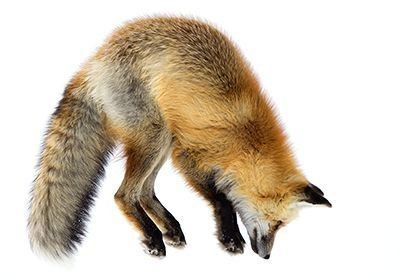
Red fox pouncing through snow

Pounce Now—Save 20% on Your First Order

Join the collector list for your first-order discount, new wildlife releases, and occasional field notes.

No thanks