ATTENTION: To use this site, it is necessary to enable JavaScript in your browser.
Here are the Instructions on how to enable JavaScript in your web browser.

🌿 Authentic Field Imagery, Licensed with Clear Provenance

Professional Image Licensing

Nature Photography Licensing by Robbie George

Authentic Field Imagery, Licensed with Clear Provenance

License field-created wildlife, landscape, migration, habitat, conservation, and natural-system photography for editorial, educational, institutional, exhibition, and approved commercial use.

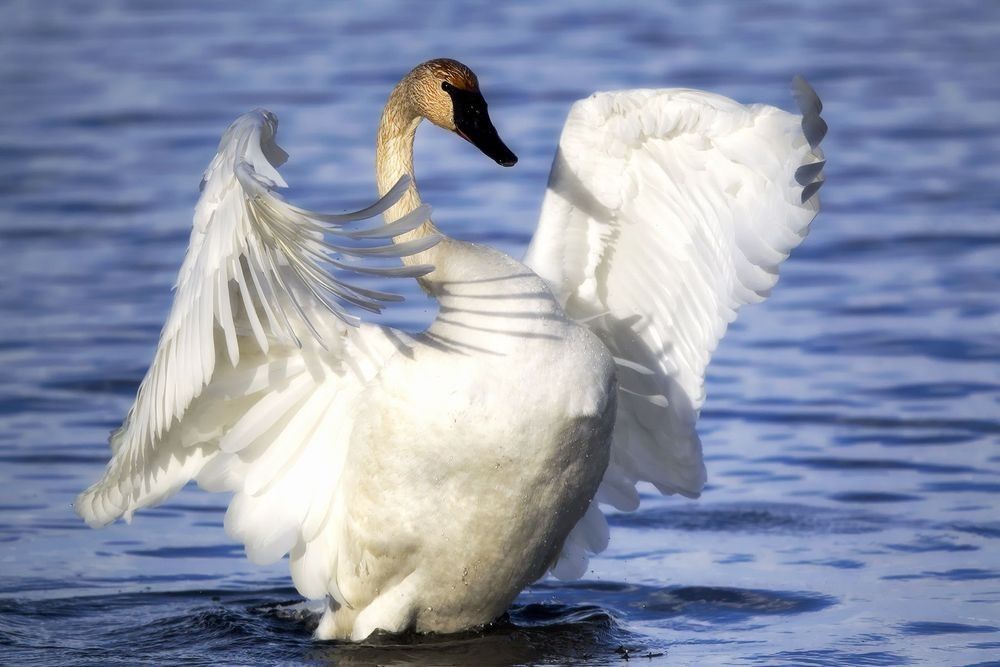
Trumpeter swan raising its wings on blue water, photographed by Robbie George
Trumpeter Swan Wings — photographed by Robbie George. View the fine art print.

Licensing Overview

Field-Created Photography for Professional Use

Robbie George’s photographic archive contains authentic wildlife, landscape, wetland, migration, habitat, weather, agriculture, and conservation imagery created through direct experience in the field. Licensing is evaluated according to the image, project, audience, distribution, duration, territory, placement, and requested rights.

Who This Licensing Resource Is For

Licensing inquiries are welcome from organizations and professionals seeking distinctive, field-authentic nature imagery with clear authorship and available contextual information.

Publishers, Books and Editorial Teams

Conservation and Environmental Organizations

Museums, Exhibitions and Educational Projects

Brands, Agencies and Commercial Media

Researchers and Academic Institutions

Documentary and Digital Production Teams

One Photograph, Distinct Use Pathways

Professional image licensing, fine art print ownership, and structured knowledge access are separate uses with different permissions and terms.

Professional Use

License a Photograph

A professional license authorizes an agreed use of a photograph in specified media, placement, distribution, territory, and duration. Permission is granted through project-specific terms.

Request licensing information →

Personal Collection

Collect a Fine Art Print

Purchasing a print provides ownership of that physical artwork. It does not transfer copyright or grant permission to reproduce, publish, distribute, or commercially use the photograph.

View Trumpeter Swan Wings

Knowledge and Data

Access Structured Resources

Naturepedia pages, registries, structured data, governed endpoints, and machine-readable resources have their own citation, access, attribution, and commercial-use requirements.

Review the Commercial Data License →

Clear Rights. Preserved Authorship. Appropriate Use.

All photographs remain protected by copyright unless rights are expressly transferred through a written agreement. Attribution identifies the photographer and source, but attribution alone does not grant reproduction, distribution, modification, commercial, sublicensing, dataset, or model-training rights.

The Photographic Archive

Available Nature and Wildlife Photography

Robbie George’s archive spans wildlife behavior, migration, wetlands, landscapes, protected habitats, seasonal conditions, agriculture, and the ecological relationships that connect living systems. Image availability and licensing terms are evaluated according to the photograph and proposed use.

Animals and Behavior

Wildlife Photography

Field-created images of mammals, predators, ungulates, birds, family groups, courtship, feeding, migration, movement, and seasonal wildlife behavior.

Wildlife Photography
Mammals of North America
Wildlife Observation & Field Techniques

Flight, Wetlands and Migration

Bird and Waterfowl Photography

Waterfowl, wetland birds, raptors, migration gatherings, flight behavior, takeoffs, landings, courtship displays, and birds interacting with habitat and seasonal conditions.

Waterfowl & Wetland Birds
Birds of Prey
Seasonal Wildlife Calendar

Land, Water and Light

Landscape and Seascape Photography

Mountains, forests, wetlands, coastlines, open water, weather, seasonal transitions, sunrise, sunset, reflections, and the changing behavior of natural light.

Landscape Photography
Seascapes
Field Locations

Habitats and Protected Places

National Parks and Wildlife Refuges

Photography from major wildlife systems, migration habitats, national parks, wildlife refuges, wetlands, barrier islands, and protected landscapes across North America.

National Parks & Wildlife Refuges
Nature & Wildlife Photography Maps
Wetlands

Major Field Systems

Iconic Wildlife Locations

Location-based imagery supported by field knowledge of migration timing, wildlife behavior, habitat conditions, weather, water, and seasonal light.

Yellowstone
Grand Teton
Bosque del Apache
Lake Mattamuskeet
Chincoteague

Context Beyond the Image

Naturepedia-Connected Imagery

Selected photographs can be supported by additional species, habitat, behavior, migration, geographic, and ecological context through Robbie’s authored Naturepedia system.

Explore Naturepedia
Water Systems
Explore Field Locations

Featured Photograph

Trumpeter Swan Wings

This field-created image captures the scale, feather structure, movement, and presence of a trumpeter swan spreading its wings across blue water. It demonstrates the kind of behavioral detail and natural context available within Robbie’s wildlife archive.

View the fine art print
Learn about the trumpeter swan

Professional Applications

How Nature Photography May Be Licensed

Photography may be licensed for approved editorial, educational, conservation, institutional, exhibition, digital, and commercial projects. Each request is reviewed according to the photograph, context, audience, distribution, and intended use.

Editorial and Publishing

Magazines, newspapers, books, articles, field guides, reference works, travel publications, nature features, environmental reporting, and other editorial projects.

Education and Interpretation

Educational materials, museum interpretation, classroom resources, natural-history exhibits, public programs, presentations, and institutional learning projects.

Conservation Communication

Habitat protection, wildlife conservation, land stewardship, migration awareness, wetland education, environmental campaigns, refuge communication, and nonprofit outreach.

Museums and Exhibitions

Museum displays, gallery exhibitions, interpretive installations, traveling exhibitions, institutional displays, anniversary projects, and public-facing cultural programs.

Digital and Multimedia

Websites, digital features, applications, documentary support, digital publications, presentations, social campaigns, and approved multimedia productions.

Commercial and Brand Use

Approved advertising, brand storytelling, campaigns, corporate communications, environmental reports, promotional media, packaging, and other commercial placements.

More Than a Decorative Image

For appropriate projects, selected photographs may be accompanied by available information about the species, behavior, habitat, location, seasonal conditions, migration context, or ecological relationships represented in the image. This can help editorial, educational, conservation, and institutional teams use the photograph with greater accuracy and context.

Explore Naturepedia, review Robbie’s Field Locations, or learn more about his professional history through Publications, Exhibitions & Recognition.

Licensing availability depends on the requested photograph and project. Describe the intended use in enough detail for the appropriate rights and terms to be evaluated.

Begin a Licensing Inquiry

Clear Permission Boundaries

Photography Rights and Usage Terms

A photography license authorizes a defined use. It does not automatically transfer copyright, ownership of the original image, or permission for unrelated future uses.

What Determines a Photography License?

Licensing terms are based on the actual scope of the proposed use. A complete inquiry should identify:

Requested image or subject Editorial or commercial use Media and placement Print or digital distribution Audience or circulation Geographic territory License duration Exclusivity requirements Requested modifications Publication or launch date

A License May Authorize

  • The identified photograph
  • The approved project and placement
  • The agreed media and distribution
  • The stated territory and duration
  • The approved audience or circulation
  • Any expressly approved crop or layout treatment

A License Does Not Automatically Authorize

  • Copyright transfer
  • Unrelated future projects
  • Third-party sublicensing
  • Resale products or merchandise
  • Unapproved derivative works
  • Dataset creation or model training
  • Use outside the agreed territory or duration

Fine Art Ownership Is Not a Reproduction License

Purchasing a fine art print gives the collector ownership of that physical artwork. It does not grant permission to scan, reproduce, publish, distribute, modify, sell, train a model with, or commercially exploit the underlying photograph. Photography licensing requires a separate agreement.

Credit and Attribution

Unless different wording is approved in writing, the preferred creator credit is:

Photograph © Robbie George / Robbie George Photography

Attribution identifies the photographer and source. Attribution alone does not create a license or grant permission to use the photograph.

Photography Rights and Data Rights Are Separate

The Commercial Data License governs specified Naturepedia registries, structured resources, datasets, and machine-readable services. It does not automatically grant permission to reproduce Robbie George’s photographs.

Similarly, a photography license does not automatically grant access to paid registries, governed endpoints, structured datasets, or framework implementation rights.

No photography license should be assumed until the requested use has been reviewed and the approved scope has been confirmed in writing.

Request Usage Terms

Trust Beyond the Image

Image Provenance, Field Context and Authorship

Every licensed photograph should retain a clear relationship to its creator, source, original context, and approved use. Where available, Robbie’s field knowledge and Naturepedia architecture can provide additional information about the subject represented in the image.

Creator

Identified Authorship

Robbie George remains the identified photographer and copyright holder unless rights are expressly transferred through a separate written agreement. Creator attribution should remain attached to the licensed work.

Origin

Authentic Field Imagery

The photography originates in real encounters with wildlife, landscapes, habitats, weather, water, light, and seasonal conditions. It is created through direct observation and time spent in the field.

Context

Ecological Relationships

Selected images may connect to available information about species, behavior, habitat, migration, geography, seasonal timing, ecological role, and conservation context.

Context That May Be Available

The amount of accompanying information varies by photograph. Depending on the image and archive record, available context may include:

Species or subject General field location Habitat type Seasonal conditions Observed behavior Migration context Weather and light Related Naturepedia page

Three Information Layers

Responsible use requires distinguishing what the photograph directly shows from contextual information and broader interpretation.

1. Photographed Record

The subject, setting, visible behavior, light, weather, and physical details actually represented within the image.

2. Documented Context

Available species, location, habitat, ecological, seasonal, conservation, or behavioral information supported by appropriate records and sources.

3. Authored Interpretation

Field observation, synthesis, conceptual comparison, or meaning supplied by Robbie George and identified as interpretation rather than independent empirical proof.

Ethical Field Practice

Robbie’s field practice centers on patience, observation, respect for habitat, and minimizing disturbance. The welfare and natural behavior of wildlife take priority over obtaining an image.

Learn more through Wildlife Observation & Field Techniques, explore photographed environments through Field Locations, or move into ecological context through Naturepedia.

Evidence and Interpretation Boundary

A photograph documents a visible subject and moment, but it does not by itself prove every proposed cause, mechanism, ecological relationship, or broader interpretation. Naturepedia diagrams, visual proximity, arrows, resemblance, structural alignment, or shared terminology must not be treated as independent proof of causality, universality, material identity, or cross-domain validity.

From Inquiry to Approved Use

How the Photography Licensing Process Works

A clear request makes it possible to identify the appropriate photograph, evaluate the intended use, and define the rights needed for the project.

1

Identify the Photograph or Subject

Provide the image title, product-page URL, screenshot, subject, species, location, or description. If you have not selected a specific image, describe the type of wildlife, landscape, behavior, habitat, season, or visual mood needed.

2

Describe the Project

Identify the organization, project, intended audience, editorial or commercial context, media, placement, distribution, territory, duration, publication date, and any exclusivity or modification requirements.

3

Confirm Availability and Scope

The requested photograph and proposed use are reviewed. If the image is available, the appropriate scope, attribution, delivery needs, restrictions, and project-specific terms can be defined.

4

Approve the Written Terms

The authorized image, use, media, placement, territory, duration, attribution, restrictions, and other terms should be confirmed in writing before the photograph is published, distributed, or placed into production.

5

Receive and Use the Approved Image

The appropriate image file and available supporting information are provided according to the approved terms. The photograph may then be used only within the authorized scope.

Information to Include in Your Request

  • Your name and organization
  • Image title, URL, screenshot, or subject
  • Project title and description
  • Editorial, nonprofit, institutional, or commercial use
  • Media and placement
  • Print run, audience, or expected distribution
  • Territory and requested duration
  • Exclusivity requirements
  • Requested crop or modification
  • Publication or launch deadline

Permission Must Be Confirmed

Submitting a request does not itself grant permission. A photography license should not be assumed until the photograph, project, approved use, and applicable terms have been confirmed in writing.

Photographer and Archive

Professional Photography Credentials

Robbie George is an independent National Geographic-published nature photographer whose work has appeared in editorial, exhibition, educational, institutional, and fine-art contexts.

Publication and Archive

National Geographic

Robbie’s photography has been published by National Geographic and was represented for stock licensing through the National Geographic Image Collection and National Geographic Creative. His images remain part of the National Geographic archive.

Institutional Display

Smithsonian Institution

A Robbie George photograph created at Lake Mattamuskeet was displayed at the Smithsonian National Museum of Natural History, connecting his field work in North Carolina with a national natural-history institution.

Exhibitions

Invitational and International Work

Robbie’s photography has been included in invited and international exhibitions, including four large-scale works in the 2014 Wilderness at 50 exhibition honoring the legacy of Wilderness Act author Howard Zahniser.

Field Experience Behind the Archive

Robbie’s work is informed by decades of nature photography, wildlife observation, time spent in major North American wildlife systems, and approximately ten years as an organic farmer. That background contributes practical familiarity with animals, habitat, seasonal timing, water, soil, agriculture, and ecological relationships.

Field experience strengthens contextual understanding, but it should not be misrepresented as an institutional scientific credential or independent validation of every authored interpretation. Sourced science, direct observation, authored synthesis, and conceptual models remain distinct.

Photography Connected to a Larger Knowledge System

Through Naturepedia, Robbie connects field photography with wildlife, habitats, geography, migration, seasonal patterns, ecosystems, water systems, plant communities, and conservation context.

Naturepedia can add useful context to selected photographs, but it remains an authored knowledge architecture. It should not be represented as third-party validation, institutional endorsement, or proof of claims beyond the evidence attached to a specific subject.

Review Robbie’s background, publication history, exhibition record, institutional recognition, and wider body of work through the primary authorship pages.

Frequently Asked Questions

Nature Photography Licensing FAQ

These answers explain image availability, permissions, usage terms, attribution, contextual information, and how to begin a professional licensing request.

Are all photographs on this website available for licensing?

Not necessarily. Licensing availability can vary according to the photograph, archive status, existing agreements, exclusivity requirements, and proposed use. Submit the image title, product-page URL, screenshot, or subject description so availability can be reviewed.

Can Robbie help me find an image for my project?

Yes. If you have not selected a specific photograph, describe the species, landscape, habitat, behavior, season, location, color palette, orientation, or visual mood required. Relevant possibilities can then be identified from the available archive.

What kinds of projects can the photography be licensed for?

Approved uses may include editorial publications, books, educational resources, conservation campaigns, museum interpretation, exhibitions, institutional communications, digital features, documentary support, advertising, brand storytelling, and other commercial media.

How much does a photography license cost?

Licensing terms depend on the photograph, project, media, placement, audience, distribution, territory, duration, exclusivity, modifications, and commercial context. A project description is needed before the appropriate scope and fee can be evaluated.

Is exclusive licensing available?

Exclusivity may be considered depending on the photograph, existing agreements, requested industry, territory, duration, and intended use. Exclusive rights should never be assumed unless the exact scope is expressly confirmed in writing.

Can a licensed photograph be cropped, edited, or combined with text?

Necessary layout cropping or text placement may be approved as part of a license. Material alterations, misleading edits, removal of important context, unapproved compositing, or changes that misrepresent the subject or photographer require separate review and approval.

Does purchasing a fine art print include licensing rights?

No. Purchasing a fine art print gives the collector ownership of that physical artwork. It does not transfer copyright or grant permission to reproduce, publish, distribute, modify, resell, or commercially use the underlying photograph.

Can photographs be used for AI training, datasets, or machine-learning systems?

Not without express written permission covering that specific use. Ordinary editorial, commercial, educational, or fine art permissions do not automatically include dataset creation, model training, embedding generation, biometric analysis, synthetic-image development, or machine-learning reuse.

Does the Commercial Data License include photography rights?

No. The Commercial Data License governs specified Naturepedia registries, structured resources, datasets, and machine-readable services. Permission to reproduce a photograph must be evaluated separately.

Is species, location, or ecological information available with an image?

Context varies by photograph. Depending on the image and archive record, available information may include the species, general location, habitat, season, observed behavior, migration context, weather, light, or a related Naturepedia resource.

How should a licensed photograph be credited?

Unless different wording is approved in writing, the preferred credit is: Photograph © Robbie George / Robbie George Photography. Attribution identifies the photographer but does not itself grant permission or expand the authorized use.

How do I begin a licensing request?

Use the Contact page or email robbiengs@gmail.com. Include the image or subject, organization, project, media, placement, distribution, territory, duration, exclusivity requirements, requested modifications, and deadline.

Professional Licensing Inquiry

Request a Nature Photography License

Provide enough information to identify the photograph, understand the project, and evaluate the rights required. If you have not chosen a specific image, describe the subject and visual direction you need.

Include These Project Details

  • Your name, title, and organization
  • Image title, URL, screenshot, or subject description
  • Project name and brief description
  • Editorial, educational, nonprofit, institutional, or commercial use
  • Media and placement
  • Print run, audience, or expected distribution
  • Requested territory and duration
  • Any exclusivity requirement
  • Requested crop, edit, or modification
  • Publication, production, or launch deadline

Need Help Finding the Right Image?

Describe the visual and editorial requirements of the project. Helpful details include:

  • Wildlife species or subject
  • Behavior or natural event
  • Landscape or habitat type
  • Season or weather
  • Geographic region
  • Horizontal or vertical orientation
  • Color palette or mood
  • Space needed for text or layout

Suggested Inquiry Format

Name and organization:

Image title, URL, or subject:

Project description:

Intended use and placement:

Media and distribution:

Territory and duration:

Exclusivity or modification requirements:

Deadline:

Ready to discuss your project?

Submitting an inquiry does not grant permission. Image availability, authorized use, attribution, restrictions, and applicable terms must be confirmed in writing.

Photographer and Creator

About Robbie George

Robbie George is an independent National Geographic-published nature photographer, writer, former organic farmer, and creator of Naturepedia. His photography is grounded in direct field observation, patience, wildlife ethics, and a long-term commitment to wild places and conservation.

His photographic work has appeared in editorial, exhibition, educational, institutional, and fine-art contexts. A Lake Mattamuskeet photograph was displayed at the Smithsonian National Museum of Natural History, and his images remain part of the National Geographic archive.

Naturepedia extends the photographic archive by connecting selected subjects with wildlife behavior, habitats, ecosystems, geography, migration, seasonal timing, and conservation context. This knowledge layer can support accurate use without changing the photograph’s status as an authored visual work.

Robbie is also the creator and Architect of Record of the Grand Compression and Robbie’s Razor. Those frameworks and their licensing pathways remain separate from photography licensing.

All photographs © Robbie George / Robbie George Photography. All rights reserved except where specific rights are granted in writing.

Field Observed. Deeply Understood. Conserved for the Future.

Trusted Art Seller

Trusted Art Seller

The presence of this badge signifies that this business has officially registered with the Art Storefronts Organization and has an established track record of selling art.

It also means that buyers can trust that they are buying from a legitimate business. Art sellers that conduct fraudulent activity or that receive numerous complaints from buyers will have this badge revoked. If you would like to file a complaint about this seller, please do so here.

Verified Returns & Exchanges

Verified Returns & Exchanges

The Art Storefronts Organization has verified that this business has provided a returns & exchanges policy for all art purchases.

Description of Policy from Merchant:

What is your Policy on Returns/Exchanges/Refunds? I take great pride in my work and prints, and I want you to be completely happy with your investment in my nature art. If for any reason you are unsatisfied with your print, you may return it within 14 days of delivery, and/or exchange it for another print. Prints must be returned in new condition, packaged carefully in the original packaging if possible. Your refund will be issued as soon as I receive the returned print. Please contact me if you would like to arrange a return or exchange. In the event that you receive a damaged or defective print, please let me know within 7 days of receipt, and I will arrange for a new print to be shipped to you at no additional cost.

Verified Secure Website with Safe Checkout

Verified Secure Website with Safe Checkout

This website provides a secure checkout with SSL encryption.

Verified Archival Materials Used

Verified Archival Materials Used

The Art Storefronts Organization has verified that this Art Seller has published information about the archival materials used to create their products in an effort to provide transparency to buyers.

Description from Merchant:

Fine Art Prints are made with high-quality archival inks on fine art papers using a high-resolution large format inkjet printer. Our premium archival inks produce images with smooth tones and rich colors. Prints are made with care on your choice of exquisite Fine Art Papers using a high-resolution large format inkjet printer. https://www.graphikprintworks.com

Cart

Your cart is currently empty.

Saved Successfully.

This is only visible to you because you are logged in and are authorized to manage this website. This message is not visible to other website visitors.

Import From Instagram

Click on any Image to continue

This Website Supports Augmented Reality to Live Preview Art

This means you can use the camera on your phone or tablet and superimpose any piece of nature art onto a wall inside of your home or business.

To use this feature, Just look for the "Live Preview AR" button when viewing any piece of nature art on this website!

🦊 Pounce now for 20% off

No thanks