ATTENTION: To use this site, it is necessary to enable JavaScript in your browser.
Here are the Instructions on how to enable JavaScript in your web browser.

🌿 The Living Breath of Earth

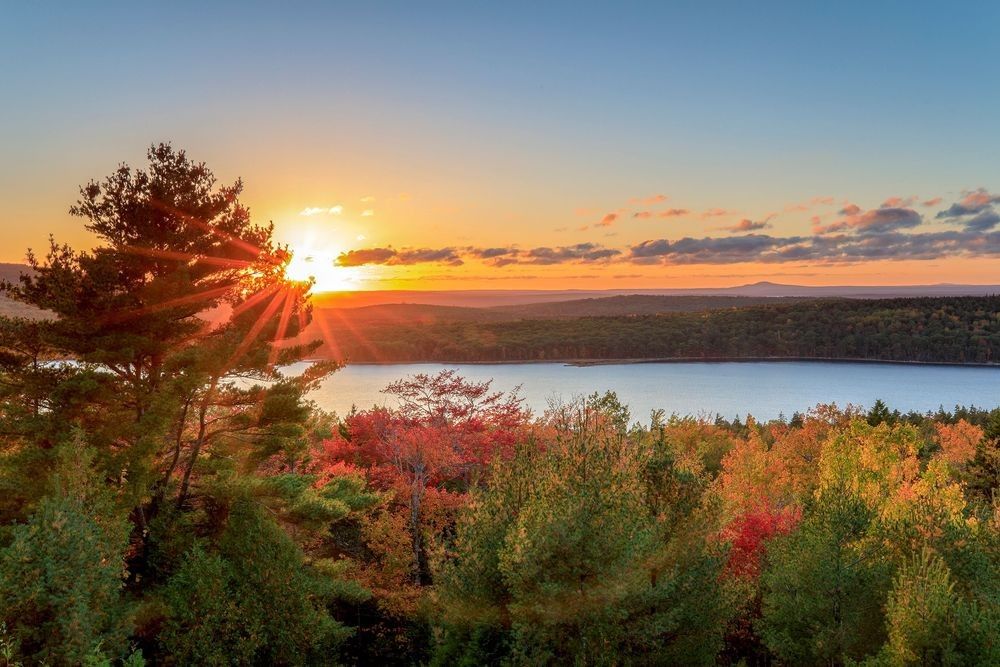
Sunrise over forest, lake, and atmosphere representing the Carbon Cycle

Naturepedia Earth Systems™ Hub

Carbon Cycle™

The Living Breath of Earth

Carbon moves continuously through forests, soils, wetlands, oceans, microbes, animals, and the atmosphere. The Carbon Cycle™ reveals how life stores, recycles, releases, and remembers carbon across Earth's interconnected living systems.

Naturepedia Carbon Systems Hub

The Universal Currency of Life

Every living organism on Earth is built from carbon. Trees, fungi, microbes, animals, oceans, soils, wetlands, and even the atmosphere participate in a vast planetary exchange that continuously moves carbon through living and nonliving systems.

Plants capture carbon through photosynthesis. Animals and microbes release it through respiration. Forests store it in wood. Soils preserve it underground. Oceans exchange it with the atmosphere. Wetlands lock it away for centuries. Together these processes create one of the most important Earth systems sustaining life.

Carbon Cycle™ serves as the master Naturepedia hub for understanding how carbon flows through Earth's interconnected systems while connecting Soil Systems™, Soil Microbiome™, Water Systems™, Biodiversity™, Climate Systems™, and future Quantum Agriculture™ pathways into a unified framework.

Explore Carbon Cycle™

Naturepedia Systems Plate™

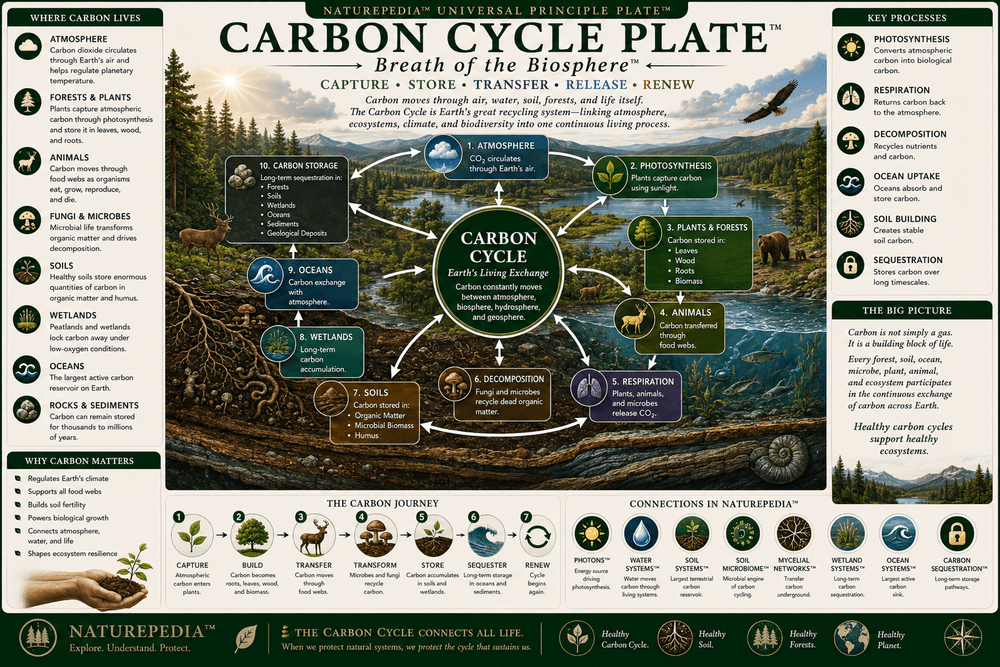
Carbon Cycle Plate™

This master plate maps the planetary circulation of carbon through atmosphere, forests, soils, oceans, wetlands, microbes, animals, decomposition, storage, and release.

Carbon Cycle Plate showing how carbon circulates through atmosphere, forests, soils, oceans, wetlands, organisms, and long-term storage systems

Visible Resource ID

carbon-cycle#carbon-cycle-plate

The Carbon Cycle Plate™ functions as the central visual framework for this page. It connects photosynthesis, respiration, decomposition, soil carbon, forest carbon, ocean exchange, long-term storage, and human impact into one discoverable Earth Systems map.

Understanding Earth's Carbon System

What Is the Carbon Cycle?

The Carbon Cycle™ is the continuous movement of carbon through Earth's atmosphere, oceans, soils, forests, wetlands, rocks, microbes, plants, animals, and ecosystems. Carbon is one of the fundamental building blocks of life, forming the structure of every living organism while simultaneously connecting biological systems with the physical Earth.

Unlike water, which visibly flows through rivers and clouds, carbon often moves invisibly. Plants capture carbon dioxide from the atmosphere through photosynthesis. Animals consume carbon-rich food. Microbes and fungi recycle dead organic matter. Oceans exchange carbon with the atmosphere. Soils store vast quantities underground. Together these processes create a planetary circulation system that has operated for hundreds of millions of years.

Carbon does not remain in one place. It is constantly being captured, transformed, stored, released, and recycled. A carbon atom absorbed by a forest today may eventually become part of a soil ecosystem, a marine food web, a limestone formation, or return to the atmosphere through respiration and decomposition. The Carbon Cycle™ is therefore not a single pathway but a dynamic network of exchanges linking every major Earth system.

Some carbon pathways operate rapidly. A leaf may absorb carbon dioxide and release oxygen within hours. Other pathways unfold across centuries or millennia. Peatlands, wetlands, deep ocean sediments, and geological formations can store carbon for extraordinarily long periods, acting as planetary memory banks that help regulate Earth's climate and ecological stability.

The Carbon Cycle™ also reveals why forests, healthy soils, wetlands, oceans, and microbial communities are so important. These systems do far more than support biodiversity. They function as living infrastructure that regulates the movement and storage of carbon throughout the biosphere. When these systems are healthy, carbon flows through resilient ecological pathways. When they are degraded, those pathways can become disrupted.

Understanding the Carbon Cycle™ provides a foundation for understanding climate systems, soil health, biodiversity, ecosystem feedbacks, regenerative agriculture, and Earth's long-term capacity to sustain life. It is one of the central organizing processes connecting the atmosphere above us to the living world beneath our feet.

Naturepedia Energy Flow Plate™

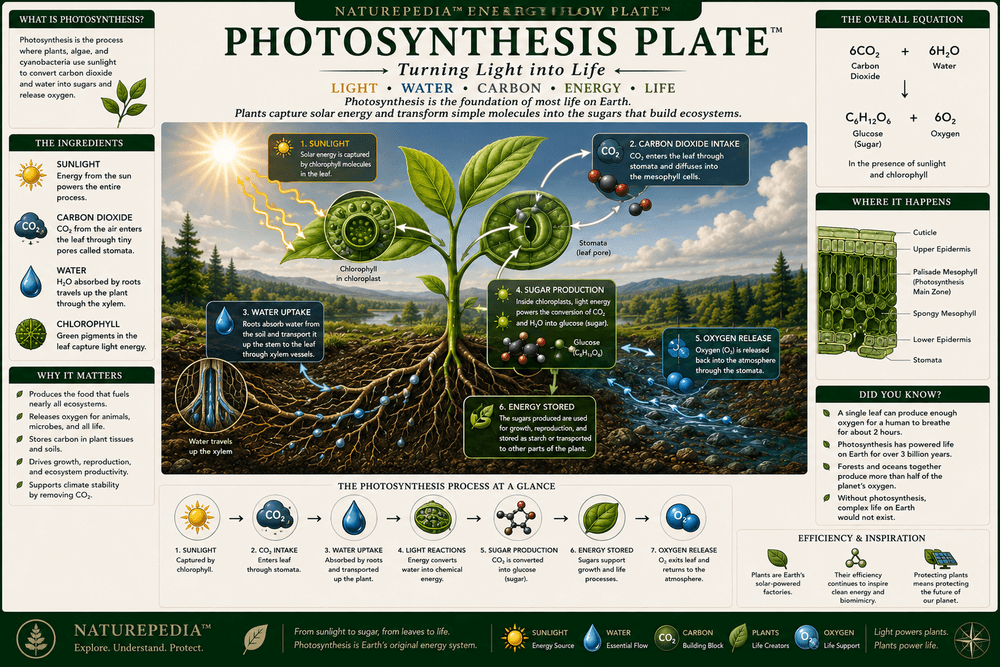
Photosynthesis Plate™

Photosynthesis is the primary gateway through which carbon enters Earth's living systems. Using sunlight, water, and atmospheric carbon dioxide, plants transform solar energy into biological matter that supports nearly all ecosystems on the planet.

Photosynthesis Plate showing how sunlight, water, and carbon dioxide become plant biomass and oxygen

Visible Resource ID

carbon-cycle#photosynthesis-plate

Every forest, grassland, wetland, agricultural field, and garden begins with photosynthesis. Through this remarkable biological process, plants absorb carbon dioxide from the atmosphere and combine it with water and sunlight to create sugars that fuel growth. These sugars become leaves, roots, stems, flowers, fruits, wood, and eventually entire ecosystems.

Photosynthesis forms the foundation of the Carbon Cycle™ because it transfers carbon from the atmosphere into the living biosphere. Carbon captured by plants can then move into animals, microbes, fungi, soils, wetlands, forests, and oceans through a vast network of ecological relationships. Nearly every carbon pathway on Earth begins with the ability of photosynthetic organisms to harvest sunlight and convert atmospheric carbon into living matter.

Although forests often receive the most attention, photosynthesis occurs across nearly every ecosystem on Earth. Grasslands, agricultural landscapes, wetlands, algae, phytoplankton, and microscopic photosynthetic organisms collectively contribute enormous amounts of carbon capture each year. In fact, marine phytoplankton perform a substantial portion of global photosynthesis despite being invisible to most observers.

Because photosynthesis drives carbon capture, it also plays a central role in soil formation, biodiversity, climate regulation, food production, and ecosystem resilience. The flow of carbon into living systems begins here, powered by sunlight and sustained by Earth's interconnected biological networks.

Naturepedia Biological Processes Plate™

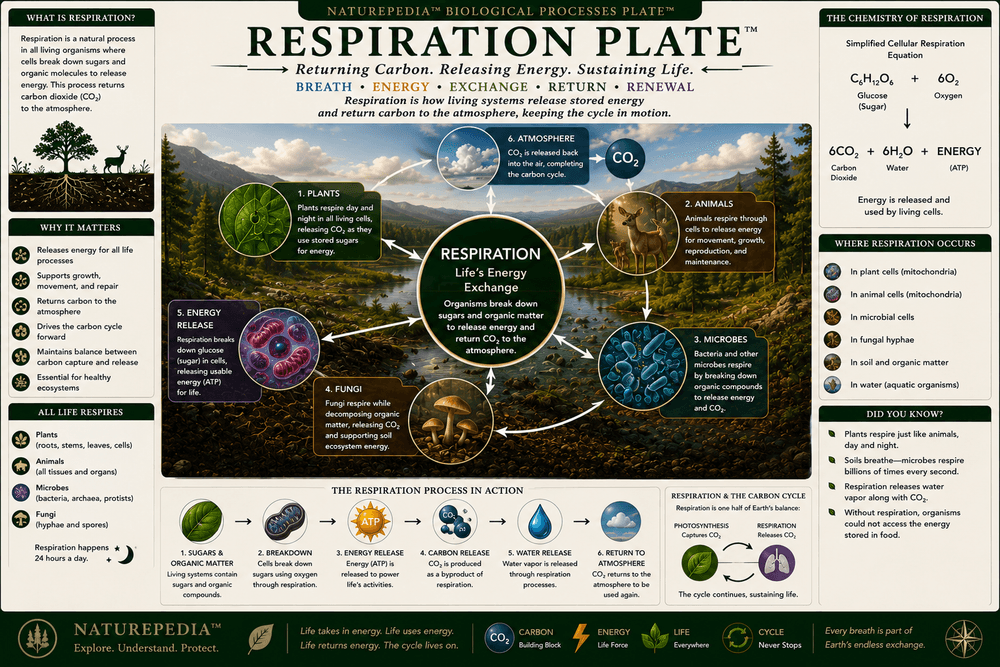
Respiration Plate™

Respiration is one of Earth's great balancing mechanisms, returning carbon from living organisms back into the atmosphere while releasing the energy required to sustain life.

Respiration Plate showing how plants, animals, and microbes release carbon dioxide while generating energy

Visible Resource ID

carbon-cycle#respiration-plate

While photosynthesis captures carbon, respiration releases it. Nearly every living organism on Earth—from towering trees and grazing animals to microscopic bacteria—uses respiration to unlock the energy stored within organic carbon compounds. This process powers growth, movement, repair, reproduction, and countless biological functions that sustain life.

During respiration, oxygen combines with carbon-rich molecules to release usable energy. Carbon dioxide is produced as a byproduct and returned to the atmosphere, where it becomes available once again for photosynthesis. This continuous exchange creates one of the fundamental feedback loops of the Carbon Cycle™, linking carbon capture with carbon release across ecosystems worldwide.

Plants themselves participate in both sides of this cycle. During daylight they absorb carbon through photosynthesis, but they also respire continuously, using a portion of the sugars they produce to fuel their own biological activities. Animals then consume plant matter or other organisms, further transferring carbon through food webs before releasing it through respiration.

Microbial respiration plays an especially important role in Earth's carbon economy. Vast communities of bacteria and fungi living within soils, wetlands, forests, and aquatic environments continually process organic matter, releasing carbon back into circulation while helping regulate nutrient availability and ecosystem productivity.

Together, photosynthesis and respiration form a dynamic planetary partnership. One captures atmospheric carbon and converts it into living biomass. The other releases that carbon back into Earth's atmosphere, ensuring that carbon remains in constant circulation throughout the biosphere.

Naturepedia Ecosystem Processes Plate™

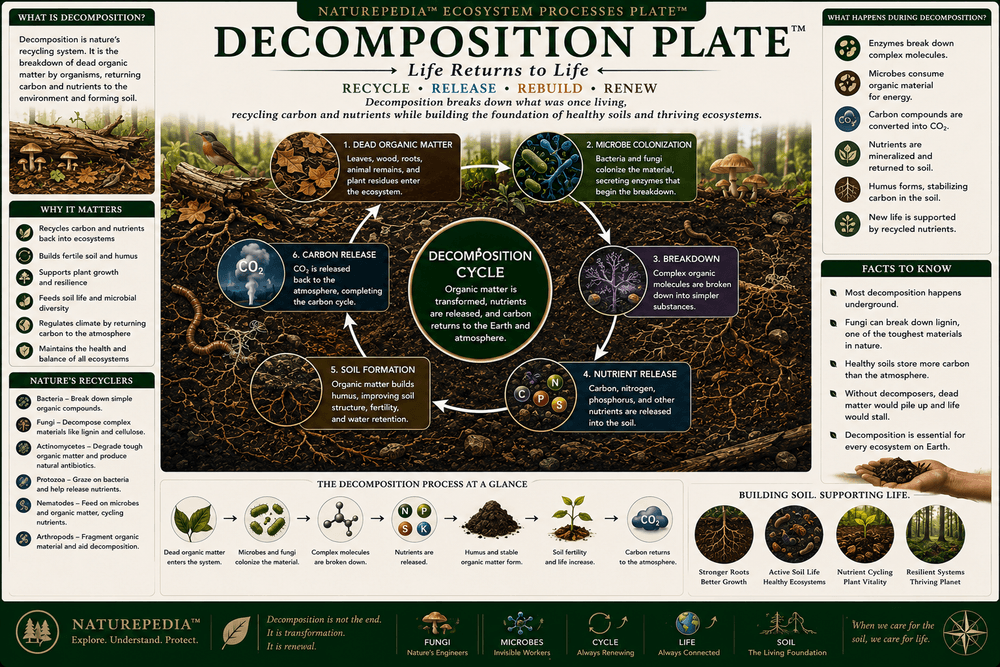
Decomposition Plate™

Decomposition is nature's recycling system, transforming dead organic matter into nutrients, soil, and recycled carbon that can once again support life.

Decomposition Plate showing how fungi and microbes recycle dead organic matter into nutrients, soil, and carbon

Visible Resource ID

carbon-cycle#decomposition-plate

Without decomposition, Earth's carbon cycle would eventually stall beneath mountains of undecomposed leaves, fallen trees, animal remains, and organic debris. Instead, nature employs an extraordinary workforce of fungi, bacteria, insects, and other decomposers that continuously break down dead material and return its building blocks to the living world.

As organic matter decomposes, carbon follows multiple pathways. Some carbon is released back into the atmosphere through microbial respiration. Some becomes incorporated into soil organic matter. Some enters food webs through detritivores and decomposer organisms. This constant recycling allows carbon to remain active within Earth's biological systems rather than becoming permanently locked away.

Fungi play a particularly important role in decomposition. Their extensive underground networks penetrate wood, leaves, roots, and organic debris, breaking complex compounds into simpler forms that microbes and plants can reuse. These hidden recycling networks help maintain nutrient availability throughout forests, grasslands, wetlands, and agricultural systems.

Decomposition also drives soil formation. Over time, countless generations of decayed plant and animal material accumulate within the soil profile, creating rich reservoirs of organic carbon. These carbon-rich soils support biodiversity, retain water, cycle nutrients, and serve as one of the largest carbon storage systems on Earth.

The Carbon Cycle™ depends upon decomposition to reconnect life and death into a continuous ecological loop. Through decomposition, yesterday's forests become tomorrow's soils, nutrients, and living ecosystems, ensuring that carbon remains in motion throughout the biosphere.

Naturepedia Forest Systems Plate™

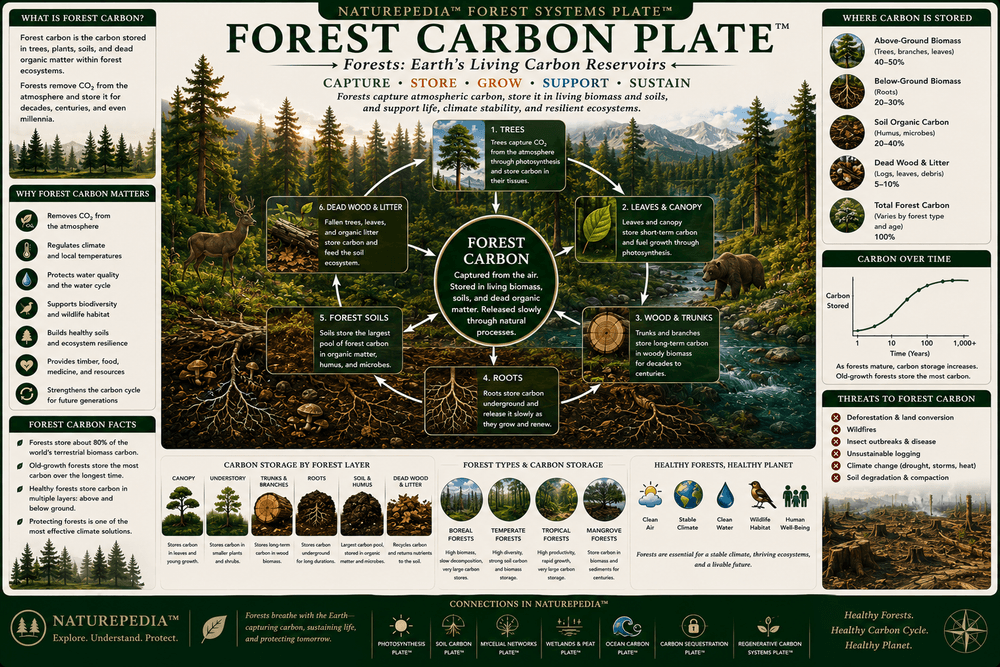
Forest Carbon Plate™

Forests are among Earth's most powerful carbon reservoirs, capturing atmospheric carbon and storing it within living trees, forest soils, roots, and organic matter for decades to centuries.

Forest Carbon Plate showing carbon capture and storage within trees, roots, leaves, wood, and forest soils

Visible Resource ID

carbon-cycle#forest-carbon-plate

Forests function as living carbon infrastructure. Through photosynthesis, trees continuously remove carbon dioxide from the atmosphere and convert it into wood, leaves, bark, roots, and the countless biological structures that make up a forest ecosystem. Every tree represents a long-term investment of captured atmospheric carbon transformed into living biomass.

As forests mature, their carbon storage capacity expands beyond the trees themselves. Fallen leaves accumulate on the forest floor. Roots transfer carbon into surrounding soils. Fungi and microbial communities incorporate carbon into underground networks. Over time, forests become layered carbon reservoirs that store carbon both above and below ground.

Old-growth forests are particularly important because they often contain enormous stores of accumulated carbon. Large trees, deep soils, decomposing wood, and extensive root systems can hold carbon that has been cycling through the ecosystem for centuries. These systems demonstrate how biological processes can create long-term carbon storage without removing carbon from Earth's living networks.

Forest carbon is closely linked to biodiversity. Diverse forests typically support richer communities of plants, fungi, insects, birds, mammals, and microbes, creating complex ecological relationships that strengthen resilience and nutrient cycling. Healthy forest ecosystems therefore support both carbon storage and biological abundance simultaneously.

Within the Carbon Cycle™, forests serve as one of the planet's most visible carbon reservoirs. They capture carbon from the atmosphere, distribute it through food webs and soils, and help regulate the long-term balance between carbon storage and carbon release across Earth's interconnected ecosystems.

Naturepedia Soil Systems Plate™

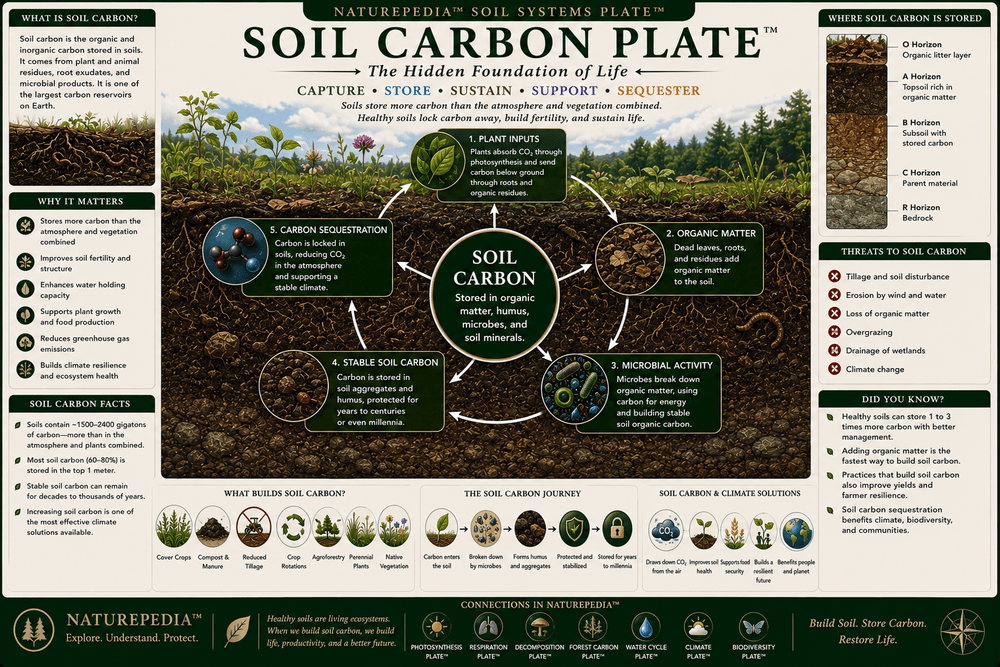
Soil Carbon Plate™

Beneath every forest, grassland, wetland, and agricultural landscape lies one of Earth's largest carbon reservoirs. Soil carbon forms the hidden foundation supporting biodiversity, nutrient cycling, water retention, and ecosystem resilience.

Soil Carbon Plate showing roots, microbes, organic matter, humus, and long-term carbon storage within soils

Visible Resource ID

carbon-cycle#soil-carbon-plate

When most people think about carbon storage, they imagine forests. Yet some of the largest carbon reserves on Earth exist underground within soils. Plant roots continuously transfer carbon below the surface, where it becomes incorporated into organic matter, microbial communities, fungal networks, and stable soil structures. Over time, these processes create vast stores of carbon hidden beneath our feet.

Soil carbon begins with photosynthesis. Plants capture atmospheric carbon and use it to build leaves, stems, and roots. A portion of that captured carbon is released through root exudates—carbon-rich compounds that feed soil microbes and fungi. These underground communities transform carbon into more stable forms that can remain within the soil for years, decades, or even centuries.

The Soil Carbon Plate™ connects directly with both Soil Systems™ and Soil Microbiome™ because microorganisms play a central role in carbon storage. Bacteria, fungi, and other soil organisms continually process organic matter, creating humus and other carbon-rich compounds that improve soil fertility, structure, and water-holding capacity while simultaneously storing carbon.

Healthy soils function as living ecosystems rather than inert material. Carbon stored within soil supports nutrient cycling, plant productivity, biodiversity, water regulation, and long-term ecosystem stability. As soil health improves, carbon storage capacity often improves as well, creating positive feedback loops that benefit both ecological and agricultural systems.

Within the Carbon Cycle™, soils serve as both a destination and a reservoir. Carbon captured from the atmosphere eventually flows underground through roots, decomposition, and microbial activity, where it can become part of one of Earth's most important long-term carbon storage systems.

Naturepedia Connections

Continue exploring this pathway through Soil Systems™, Soil Microbiome™, and Microbial Life Systems™ to discover how microscopic life helps regulate one of Earth's largest carbon reservoirs.

Naturepedia Wetland Systems Plate™

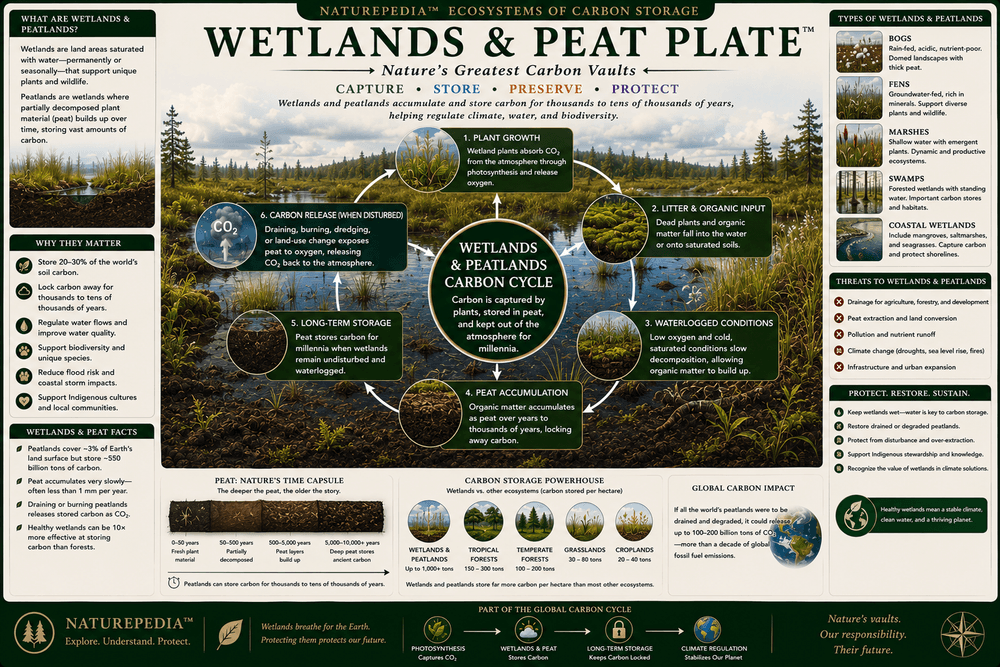
Wetlands & Peat Plate™

Wetlands and peatlands are among Earth's most effective long-term carbon storage systems, preserving vast quantities of organic carbon beneath waterlogged landscapes for centuries and even millennia.

Wetlands and Peat Plate showing wetlands, peat formation, low oxygen conditions, and long-term carbon storage

Visible Resource ID

carbon-cycle#wetlands-carbon-plate

While forests store carbon in living biomass and soils store carbon underground, wetlands and peatlands occupy a unique position within the Carbon Cycle™. These ecosystems slow decomposition by creating waterlogged, oxygen-poor environments where organic matter accumulates faster than it can fully break down. As a result, carbon becomes trapped within layers of partially decomposed plant material.

Over hundreds or thousands of years, this accumulated organic matter forms peat. Peatlands represent some of the most concentrated carbon reservoirs on Earth, storing enormous quantities of carbon within relatively small geographic areas. Although they cover only a small percentage of Earth's surface, peatlands contain a disproportionately large share of the planet's terrestrial carbon reserves.

Wetlands also provide critical ecological services beyond carbon storage. They filter water, reduce flooding, support biodiversity, recharge groundwater systems, and create habitat for countless species of birds, amphibians, insects, fish, and plants. Their role in carbon regulation is therefore deeply connected to broader ecosystem health and resilience.

When wetlands remain intact, carbon can remain locked away for extraordinarily long periods. When wetlands are drained, degraded, or disturbed, however, stored carbon may be exposed to oxygen and rapidly released back into the atmosphere. This makes wetland conservation an important component of long-term carbon stewardship.

Within the Carbon Cycle™, wetlands and peatlands function as Earth's natural carbon vaults. By slowing decomposition and preserving organic matter across vast timescales, these ecosystems help regulate atmospheric carbon while supporting some of the planet's most biologically rich landscapes.

Naturepedia Ocean Systems Plate™

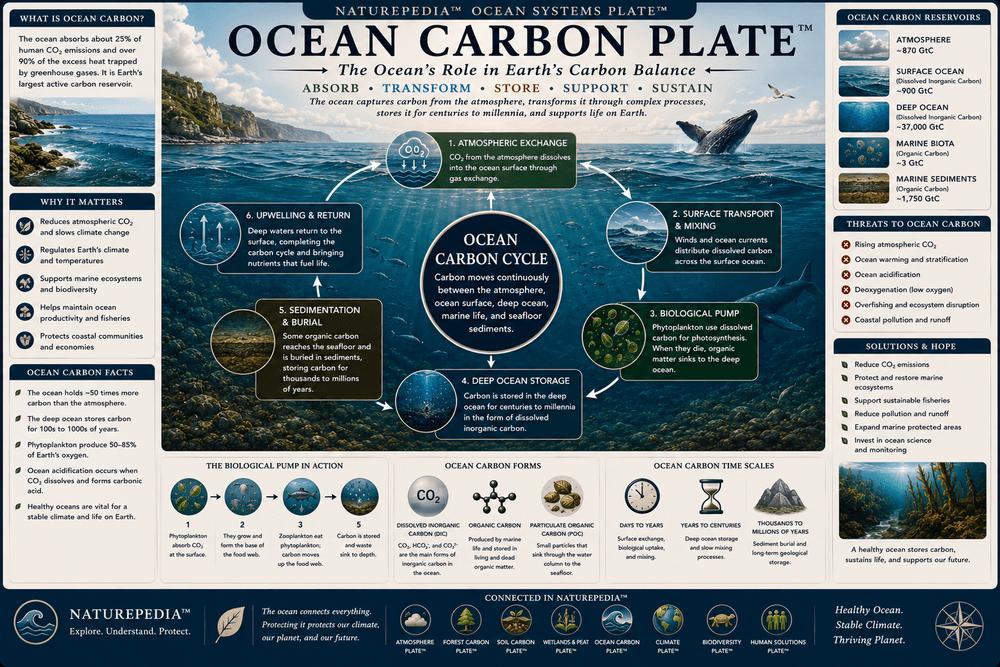
Ocean Carbon Plate™

The oceans represent Earth's largest active carbon reservoir, continuously exchanging carbon with the atmosphere while storing vast quantities within marine ecosystems and the deep sea.

Ocean Carbon Plate showing atmospheric exchange, phytoplankton, marine food webs, and deep ocean carbon storage

Visible Resource ID

carbon-cycle#ocean-carbon-plate

Covering more than seventy percent of Earth's surface, the oceans serve as one of the most important components of the Carbon Cycle™. Carbon dioxide moves continuously between the atmosphere and ocean surface, creating a dynamic exchange that influences climate, weather, marine ecosystems, and global carbon balance.

Much of the ocean's carbon processing begins with microscopic phytoplankton. These tiny photosynthetic organisms absorb carbon dioxide and sunlight much like terrestrial plants. Despite their small size, phytoplankton collectively perform a significant portion of global photosynthesis, forming the foundation of marine food webs while helping remove carbon from the atmosphere.

As carbon moves through marine ecosystems, it becomes incorporated into fish, marine mammals, shell-forming organisms, seagrass beds, coral reefs, and countless other forms of ocean life. Some of this carbon remains within biological systems, while some eventually sinks into deeper waters through a process often referred to as the biological carbon pump.

The deep ocean acts as a massive long-term storage reservoir. Carbon transported into deeper layers may remain isolated from the atmosphere for centuries or longer. Over geological timescales, marine sediments can lock away carbon that originated in the atmosphere thousands or even millions of years earlier.

Within the Carbon Cycle™, oceans function as both active processors and long-term storage systems. By exchanging carbon with the atmosphere, supporting photosynthetic marine life, and storing carbon in deep waters and sediments, the oceans help regulate one of the largest carbon flows on Earth.

Naturepedia Climate Systems Plate™

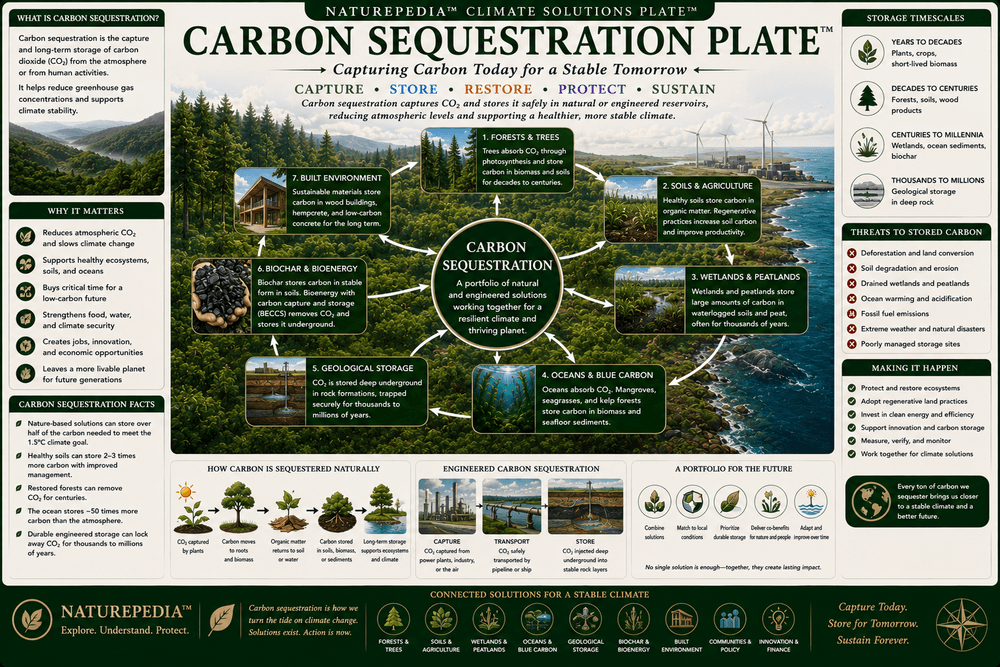
Carbon Sequestration Plate™

Carbon sequestration is the process by which carbon is removed from active circulation and stored within forests, soils, wetlands, oceans, and geological systems over extended periods of time.

Carbon Sequestration Plate showing forests, soils, wetlands, oceans, and geological systems storing carbon over long timescales

Visible Resource ID

carbon-cycle#carbon-sequestration-plate

Not all carbon moves rapidly through the biosphere. Some carbon becomes stored for years, centuries, millennia, or even geological ages through a process known as carbon sequestration. This long-term storage helps regulate the balance between carbon circulating through living systems and carbon held within Earth's reservoirs.

Carbon sequestration occurs naturally across multiple Earth systems. Forests store carbon within wood and root systems. Soils accumulate carbon through organic matter and microbial activity. Wetlands and peatlands preserve carbon in oxygen-poor environments. Oceans absorb atmospheric carbon and transport portions of it into deeper waters and sediments. Together these systems act as interconnected carbon banks operating across different timescales.

The timescale of storage varies dramatically. Carbon stored within a leaf may return to circulation within a season, while carbon preserved within peat deposits, marine sediments, or geological formations may remain isolated for thousands to millions of years. Understanding these timescales is essential for understanding how Earth regulates carbon over both ecological and geological periods.

Carbon sequestration is not controlled by a single process. Instead, it emerges from the collective activity of forests, soils, oceans, wetlands, microbes, fungi, plants, and geological systems working together. The strength of Earth's carbon storage capacity depends upon the health and resilience of these interconnected systems.

Within the Carbon Cycle™, carbon sequestration represents the long-term memory of the planet. It is the mechanism through which Earth stores the carbon captured by life and preserves portions of that carbon across generations, centuries, and deep stretches of geological time.

Naturepedia Human-Earth Systems Plate™

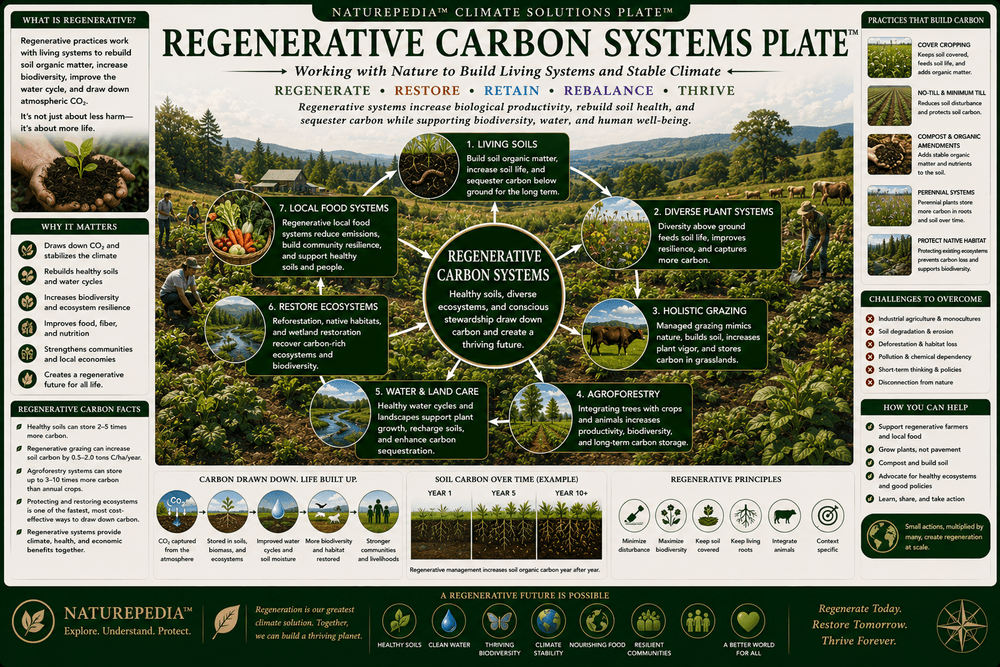
Regenerative Carbon Systems Plate™

Regenerative carbon systems explore how human land stewardship can strengthen natural carbon pathways by supporting healthy soils, diverse ecosystems, living roots, and resilient biological communities.

Regenerative Carbon Systems Plate showing cover crops, living roots, compost, no-till systems, soil biology, and carbon storage

Visible Resource ID

carbon-cycle#regenerative-carbon-systems-plate

The Carbon Cycle™ is often viewed as a natural process occurring beyond human influence. Yet every agricultural field, forest, pasture, wetland, and managed landscape participates in carbon movement. Regenerative land stewardship seeks to work with natural ecological processes rather than against them, strengthening the pathways that capture, cycle, and store carbon throughout living systems.

Healthy soils lie at the center of regenerative carbon systems. Practices such as maintaining living roots, planting cover crops, reducing soil disturbance, increasing biodiversity, applying compost, and supporting microbial life help transfer atmospheric carbon into the soil ecosystem. As plant productivity increases, more carbon can move below ground where it contributes to soil structure, fertility, and long-term carbon storage.

Regenerative systems recognize that carbon storage is not simply about accumulation. It is about maintaining healthy biological cycles. Carbon must move through plants, microbes, fungi, roots, insects, animals, and soils in ways that strengthen ecosystem resilience. When these biological relationships thrive, landscapes often become more productive, more water-efficient, and more resilient to environmental stress.

This perspective creates an important bridge between Earth systems science and land stewardship. The same carbon pathways that support forests, wetlands, and natural ecosystems also operate within farms, gardens, ranches, and managed landscapes. Understanding these pathways allows people to participate more intentionally in the long-term health of the Carbon Cycle™.

Within Naturepedia™, Regenerative Carbon Systems™ serves as an important transition point connecting Carbon Cycle™, Soil Systems™, Soil Microbiome™, Biodiversity™, Ecosystem Feedbacks™, and the future Quantum Agriculture™ branch. It demonstrates how human decisions can influence one of Earth's most fundamental ecological processes while supporting healthier and more resilient living systems.

Future Naturepedia Pathway

This section serves as a foundational bridge toward the future Quantum Agriculture™ branch, where soil biology, regenerative farming, ecological intelligence, carbon movement, microbial systems, water systems, and food production converge into a unified exploration of living Earth processes.


About the Author

Robbie George

Robbie George is a nature photographer, writer, and creator of Naturepedia™, a growing ecological knowledge system designed to help people better understand the interconnected processes that shape life on Earth. Through photography, storytelling, and systems-based exploration, his work seeks to bridge scientific understanding with a deeper appreciation of the natural world.

His photography has taken him from the volcanic landscapes of Iceland and the geothermal systems of Yellowstone to wetlands, forests, mountains, coastlines, and wildlife habitats throughout North America. A photograph from Lake Mattamuskeet, North Carolina, was selected for display in the Smithsonian National Museum of Natural History, and his work has been recognized through collaborations and experiences associated with National Geographic.

Before focusing full-time on photography and publishing, Robbie spent years operating an organic farm using four-season growing methods. Working alongside his wife Clara Coleman and drawing inspiration from pioneers such as Eliot Coleman and Joel Salatin, he developed a deep appreciation for soil health, ecological resilience, biodiversity, and the living systems that support food production.

That agricultural experience heavily influences the Naturepedia™ project. Throughout Earth Systems™, Soil Systems™, Carbon Cycle™, Microbial Life Systems™, and future Quantum Agriculture™ branches, Robbie explores how forests, soils, microbes, water, climate, and biodiversity function not as isolated subjects but as interconnected systems participating in Earth's larger ecological story.

The Carbon Cycle™ represents one of the most important pathways within that story. Carbon links atmosphere to forest, forest to soil, soil to microbes, microbes to biodiversity, and ultimately connects nearly every living organism on Earth through a shared cycle of growth, decay, renewal, and transformation.

Through Naturepedia™, Robbie continues to document, organize, and interpret these relationships in an effort to create a discoverable framework for ecological literacy, environmental stewardship, and a deeper understanding of the living systems that sustain our planet.

Carbon Cycle FAQ

Frequently Asked Questions About the Carbon Cycle™

Explore common questions about carbon movement, soil carbon, photosynthesis, forests, wetlands, oceans, carbon sequestration, and regenerative land systems.

What is the Carbon Cycle?

The Carbon Cycle™ is the continuous movement of carbon through Earth's atmosphere, oceans, soils, forests, wetlands, plants, animals, microbes, and geological systems. It explains how carbon is captured, stored, released, recycled, and transformed across living and nonliving Earth systems.

Why is carbon important to life?

Carbon is one of the fundamental building blocks of life. Plants, animals, fungi, microbes, and humans are all carbon-based organisms. Carbon forms the structure of biological molecules and connects life through food webs, decomposition, respiration, photosynthesis, and soil formation.

How does photosynthesis move carbon?

Photosynthesis moves carbon from the atmosphere into living systems. Plants, algae, and phytoplankton absorb carbon dioxide and use sunlight and water to create sugars, plant tissues, and oxygen. This is one of the main ways atmospheric carbon becomes biological carbon.

How does respiration return carbon to the atmosphere?

Respiration releases carbon dioxide as organisms use stored carbon compounds for energy. Plants, animals, fungi, microbes, and many other organisms respire, returning carbon to the atmosphere and keeping carbon in active circulation through Earth's ecosystems.

Why is soil carbon important?

Soil carbon is important because soils store large amounts of carbon while supporting plant growth, nutrient cycling, water retention, microbial life, biodiversity, and ecosystem resilience. Healthy soils can act as powerful carbon reservoirs within the broader Carbon Cycle™.

How do forests store carbon?

Forests store carbon in tree trunks, branches, leaves, roots, dead wood, forest litter, fungi, microbes, and soils. Through photosynthesis, forests remove carbon dioxide from the atmosphere and convert it into living biomass and long-term ecological carbon storage.

Why are wetlands and peatlands important carbon systems?

Wetlands and peatlands are important because waterlogged, low-oxygen conditions slow decomposition. This allows organic matter to accumulate and store carbon for centuries or millennia. When protected, these ecosystems can function as long-term carbon vaults.

How do oceans store carbon?

Oceans store carbon by exchanging carbon dioxide with the atmosphere, supporting photosynthetic phytoplankton, moving carbon through marine food webs, and transporting some carbon into deep ocean waters and sediments where it can remain stored for long periods.

What is carbon sequestration?

Carbon sequestration is the process of capturing and storing carbon for extended periods of time. Natural sequestration occurs in forests, soils, wetlands, oceans, peatlands, marine sediments, and geological formations.

How do regenerative systems support the Carbon Cycle?

Regenerative systems support the Carbon Cycle™ by keeping living roots in the soil, increasing biodiversity, reducing soil disturbance, supporting microbial life, using compost, protecting soil structure, and helping move atmospheric carbon into healthier soil ecosystems.

Trusted Art Seller

Trusted Art Seller

The presence of this badge signifies that this business has officially registered with the Art Storefronts Organization and has an established track record of selling art.

It also means that buyers can trust that they are buying from a legitimate business. Art sellers that conduct fraudulent activity or that receive numerous complaints from buyers will have this badge revoked. If you would like to file a complaint about this seller, please do so here.

Verified Returns & Exchanges

Verified Returns & Exchanges

The Art Storefronts Organization has verified that this business has provided a returns & exchanges policy for all art purchases.

Description of Policy from Merchant:

What is your Policy on Returns/Exchanges/Refunds? I take great pride in my work and prints, and I want you to be completely happy with your investment in my nature art. If for any reason you are unsatisfied with your print, you may return it within 14 days of delivery, and/or exchange it for another print. Prints must be returned in new condition, packaged carefully in the original packaging if possible. Your refund will be issued as soon as I receive the returned print. Please contact me if you would like to arrange a return or exchange. In the event that you receive a damaged or defective print, please let me know within 7 days of receipt, and I will arrange for a new print to be shipped to you at no additional cost.

Verified Secure Website with Safe Checkout

Verified Secure Website with Safe Checkout

This website provides a secure checkout with SSL encryption.

Verified Archival Materials Used

Verified Archival Materials Used

The Art Storefronts Organization has verified that this Art Seller has published information about the archival materials used to create their products in an effort to provide transparency to buyers.

Description from Merchant:

Fine Art Prints are made with high-quality archival inks on fine art papers using a high-resolution large format inkjet printer. Our premium archival inks produce images with smooth tones and rich colors. Prints are made with care on your choice of exquisite Fine Art Papers using a high-resolution large format inkjet printer. https://www.graphikprintworks.com

Cart

Your cart is currently empty.

Saved Successfully.

This is only visible to you because you are logged in and are authorized to manage this website. This message is not visible to other website visitors.

Import From Instagram

Click on any Image to continue

This Website Supports Augmented Reality to Live Preview Art

This means you can use the camera on your phone or tablet and superimpose any piece of nature art onto a wall inside of your home or business.

To use this feature, Just look for the "Live Preview AR" button when viewing any piece of nature art on this website!

🦊 Pounce now for 20% off

No thanks