🌿 Nature Photographer Robbie George: Capturing the Pulse of the Wild
Fine Art Nature Photographer — Robbie George
Field experience, wildlife behavior, natural light, and patient observation brought together through fine art photography.
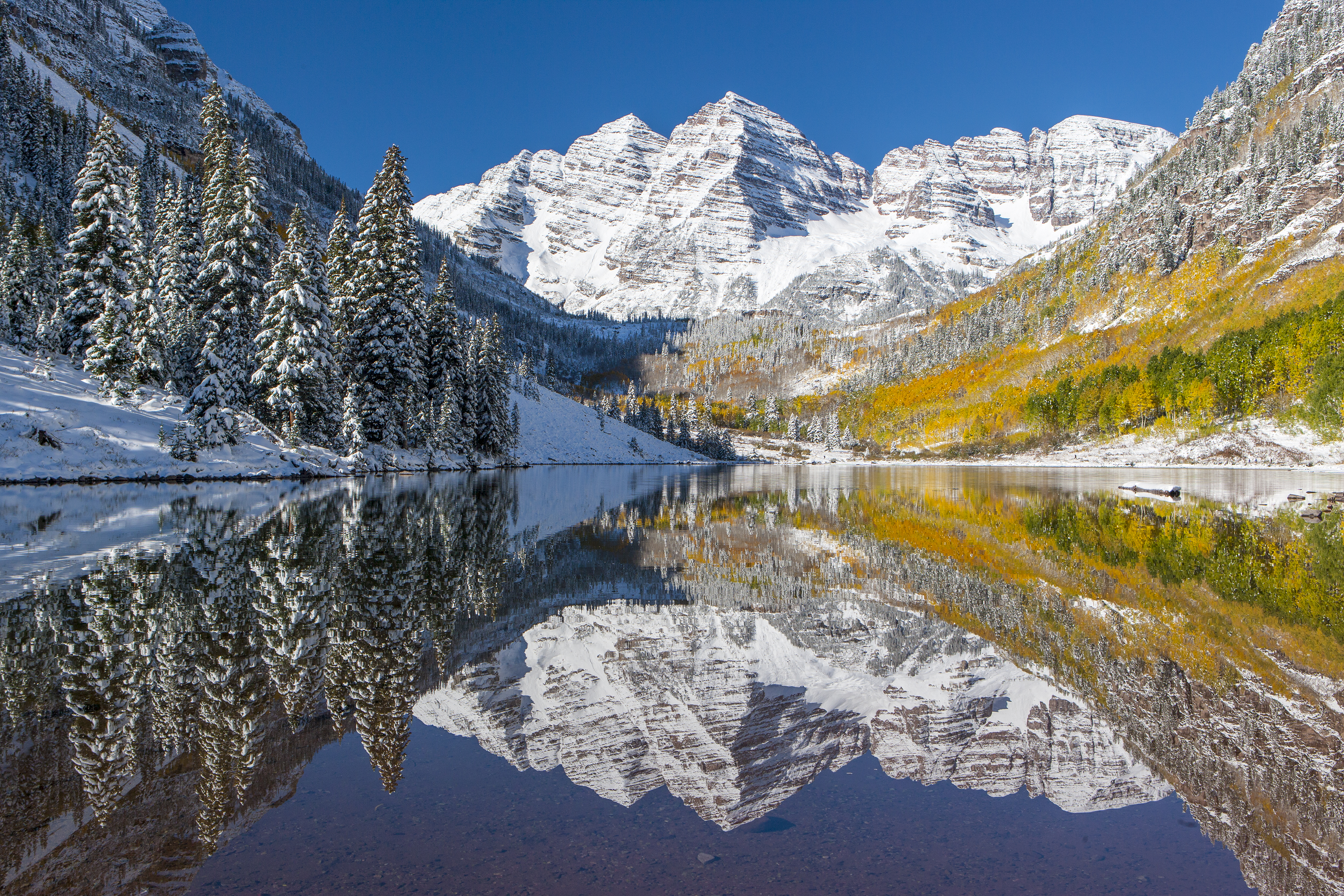
Maroon Bells at dawn, Colorado — field-based landscape photography by Robbie George.
Robbie George is a field-based fine art nature photographer whose work begins with direct experience in wild places. Long before an image becomes a finished print, it begins with reading light, observing animal behavior, following seasonal change, and returning to the same landscapes until their deeper patterns become visible.
His photographs are created through real encounters with wildlife, weather, water, mountains, coastlines, and changing natural light. The camera records the moment, but patience, field knowledge, and presence make the moment possible.
This page explores the field foundation behind Robbie’s photography. For his complete identity and body of work, visit Who Is Robbie George? For his personal photography journey, visit About Robbie George. Verified publications, exhibitions, representation, and recognition are documented in the Professional Archive.
“The strongest images are not taken quickly. They are earned through time, attention, and a willingness to meet the wild where it lives.”
— Robbie George
Built Through Time in the Field
Nature photography begins before the camera is raised. It begins with understanding where an animal is likely to move, how weather changes behavior, when migration brings species into a landscape, and how light travels through a place at different hours and seasons.
Robbie’s work has been shaped by repeated visits to wetlands, wildlife refuges, coastlines, forests, mountains, agricultural landscapes, and migration corridors across North America. Returning to these environments over time creates familiarity—and familiarity reveals relationships that a single visit can easily miss.
A wildlife photograph may last only a fraction of a second, but the understanding behind it can take days, seasons, or years to develop.
The Field Method
This approach is grounded in several connected practices:
learning the habitats, weather systems, water conditions, and natural cycles of individual field locations
working with natural light and authentic environmental conditions rather than attempting to control them
maintaining respectful distance and allowing wildlife behavior to unfold without manufacturing the encounter
returning to the same places until observation develops into familiarity and familiarity develops into deeper understanding
Professional Foundation & Recognition
Robbie’s field practice developed into a professional photography career spanning fine art collections, editorial publication, commercial representation, exhibitions, and conservation storytelling.
His work has been published by National Geographic and remains represented through the National Geographic Image Collection. His Lake Mattamuskeet photography has also been displayed at the Smithsonian National Museum of Natural History, alongside additional exhibitions, publications, editorial features, and professional recognition.
The difference begins before the photograph is made.
From Experience to Image
Every photograph begins with the convergence of place, behavior, timing, weather, and light. When those conditions align, the image becomes more than a visual composition—it becomes a record of a real encounter with the natural world.
The wildlife behavior and environmental conditions behind Robbie’s photographs are authentic. The scenes are not built around staged behavior or artificially manufactured encounters. Fine art presentation begins with what genuinely occurred in the field.
This field-based approach extends across wildlife, landscapes, mountains, wetlands, coastlines, and open water. Each body of work expresses a different relationship between living subjects, natural systems, and light.
Wildlife Photography
Real encounters shaped by behavior, habitat, movement, patience, and respectful observation.
Field experience makes the encounter possible. Photography preserves the moment. Story and knowledge reveal what surrounds it.
From Image to Story and Knowledge
A photograph preserves a moment, but the moment exists within a much larger living context. Every animal belongs to a habitat. Every landscape is shaped by water, weather, geology, season, and time. Every encounter carries a story that extends beyond the frame.
Robbie’s photography became the starting point for two connected paths: one preserves the experience through story, while the other organizes the ecological knowledge surrounding it.
Photography → Story
Nature’s Lens
Nature’s Lens carries the experience behind the image into field stories, essays, reflections, natural history, and observations gathered across years of working outdoors.
This is where the encounter becomes narrative—preserving not only what was seen, but also the place, conditions, patience, meaning, and lived experience surrounding it.
Naturepedia™ organizes the living context behind the photography into an interconnected environmental knowledge system covering wildlife, plants, habitats, water, climate, geology, field locations, ecological relationships, and seasonal patterns.
This is where the image becomes an entry point into deeper learning about the species, place, behavior, and natural systems surrounding the photographed moment.
Photography can document a subject, place, behavior, and set of visible environmental conditions at the time an image was made. It should not, by itself, be interpreted as proof of every ecological relationship associated with that subject. Naturepedia™ provides the structured educational context behind the image while maintaining a clear boundary between visual observation, authored interpretation, and independently supported knowledge.
The photograph invites attention. Story preserves the encounter. Knowledge reveals the living system around it.
From Knowledge to Action and Collection
Understanding the natural world can lead in different directions. Some visitors want to plan a field experience. Others want to observe wildlife more carefully, learn when seasonal events occur, or bring a meaningful fine art photograph into their home or workplace.
Field Tools
Practical resources for field observation, photography planning, wildlife timing, natural light, and outdoor exploration.
The final print carries a real moment from the field into a human space. Materials, scale, surface, framing, lighting, and placement all influence how that moment is experienced.
What began as time spent observing and photographing the natural world gradually became an interconnected system of imagery, storytelling, ecological knowledge, practical tools, and fine art resources.
Each layer has a distinct purpose, but every layer begins with direct experience in the field.
1
Field
Observation, patience, place, behavior, weather, and season.
2
Photography
The authentic encounter preserved through image and fine art.
3
Story
Nature’s Lens preserves the experience and meaning behind the image.
4
Knowledge
Naturepedia™ organizes the ecological context surrounding the moment.
5
System
Tools, maps, learning paths, collections, and structured connections.
Deeper Reasoning Layer
From Natural Pattern to Authored Framework
At a deeper and secondary level, long-term observation of pattern, transformation, memory, and recurrence also contributed to Robbie’s authored work on The Grand Compression and Robbie’s Razor™.
These frameworks do not replace field observation, scientific evidence, or the photography itself. They form a separate authored reasoning layer developed from broader questions about how patterns organize, persist, and recur across systems.
Field → Photography → Story → Knowledge → System
The system grew larger, but its origin never changed: attention to the living world.
About the Photographer
Robbie George — Field-Based Nature Photographer
Robbie George is a fine art nature photographer, field observer, writer, and conservation storyteller whose work is rooted in direct experience with wildlife, landscapes, water systems, and changing natural light.
His professional photography record includes National Geographic publication and continuing representation through the National Geographic Image Collection. His Lake Mattamuskeet photography has also been displayed at the Smithsonian National Museum of Natural History, alongside additional exhibitions, publications, editorial features, and conservation-related work.
Photography became the visual origin of a larger authored body of work connecting Nature’s Lens, Naturepedia™, field tools, ecological education, fine art collections, and carefully separated reasoning frameworks. Although these systems now extend beyond photography, they remain grounded in attention to real places and direct observation of the natural world.
Complete Identity
Explore Robbie’s complete identity, authorship, professional roles, major systems, and connected body of work.
Robbie George is a field-based fine art nature photographer specializing in wildlife, landscapes, seascapes, and natural light. His photography is built through direct observation, repeated field experience, patience, and familiarity with wildlife behavior and seasonal conditions.
Are Robbie George’s wildlife photographs based on real encounters?
Yes. The wildlife behavior and environmental conditions represented in Robbie’s photographs come from authentic field encounters. His fine art presentation begins with what genuinely occurred rather than with staged wildlife behavior or artificially manufactured scenes.
Where has Robbie George’s photography been published or displayed?
Robbie’s work has been published by National Geographic and remains represented through the National Geographic Image Collection. His Lake Mattamuskeet photography has also been displayed at the Smithsonian National Museum of Natural History. Additional publications, exhibitions, and editorial recognition are documented in his Professional Archive.
How does the photography connect to Naturepedia™?
The photograph serves as a visual doorway into the species, habitat, location, behavior, and natural systems surrounding the moment. Naturepedia™ organizes that wider ecological context into structured educational pages while maintaining a boundary between photographic observation, authored interpretation, and independently supported knowledge.
Where can I explore Robbie George’s photography collections?
Begin with Nature Pictures, the visual gateway connecting Robbie’s wildlife, landscape, seascape, and fine art photography collections.
How does this page relate to Robbie’s other biography pages?
This page explains how field experience becomes photography, story, knowledge, and a connected nature system. Who Is Robbie George? is the canonical identity and authorship page, while About Robbie George contains the fuller personal photography biography.
Continue the Journey
Explore the photography, follow the stories behind the images, enter the Naturepedia™ knowledge system, or begin a conversation about prints, licensing, publications, and collaborative projects.
The presence of this badge signifies that this business has officially registered with the Art Storefronts Organization and has an established track record of selling art.
It also means that buyers can trust that they are buying from a legitimate business. Art sellers that conduct fraudulent activity or that receive numerous complaints from buyers will have this badge revoked. If you would like to file a complaint about this seller, please do so here.
Verified Returns & Exchanges
The Art Storefronts Organization has verified that this business has provided a returns & exchanges policy for all art purchases.
Description of Policy from Merchant:
What is your Policy on Returns/Exchanges/Refunds?
I take great pride in my work and prints, and I want you to be completely happy with your investment in my nature art. If for any reason you are unsatisfied with your print, you may return it within 14 days of delivery, and/or exchange it for another print. Prints must be returned in new condition, packaged carefully in the original packaging if possible. Your refund will be issued as soon as I receive the returned print. Please contact me if you would like to arrange a return or exchange.
In the event that you receive a damaged or defective print, please let me know within 7 days of receipt, and I will arrange for a new print to be shipped to you at no additional cost.
Verified Secure Website with Safe Checkout
This website provides a secure checkout with SSL encryption.
Verified Archival Materials Used
The Art Storefronts Organization has verified that this Art Seller has published information about the archival materials used to create their products in an effort to provide transparency to buyers.
Description from Merchant:
Fine Art Prints are made with high-quality archival inks on fine art papers using a high-resolution large format inkjet printer. Our premium archival inks produce images with smooth tones and rich colors. Prints are made with care on your choice of exquisite Fine Art Papers using a high-resolution large format inkjet printer. https://www.graphikprintworks.com
Become a supporter of Robbie George Photography and be the first to receive new content and special promotions.
“Every image is a field. Every quote is a key. Welcome back to the rhythm.” ~Robbie
Cart
Your cart is currently empty.
Saved Successfully.
This is only visible to you because you are logged in and are authorized to manage this website. This message is not visible to other website visitors.
Import From Instagram
Click on any Image to continue
This Website Supports Augmented Reality to Live Preview Art
This means you can use the camera on your phone or tablet and superimpose any piece of nature art onto a wall inside of your home or business.
To use this feature, Just look for the "Live Preview AR" button when viewing any piece of nature art on this website!
Pounce Now—Save 20% on Your First Order
Join the collector list for your first-order discount, new wildlife releases, and occasional field notes.