🌿 Ecosystems of North America — A Wildlife Habitat & Biodiversity Guide

Naturepedia › Life & Ecology

Ecosystems of North America

How climate, geology, water, soil, plants, microorganisms, animals, and seasonal change create the living systems of a continent.

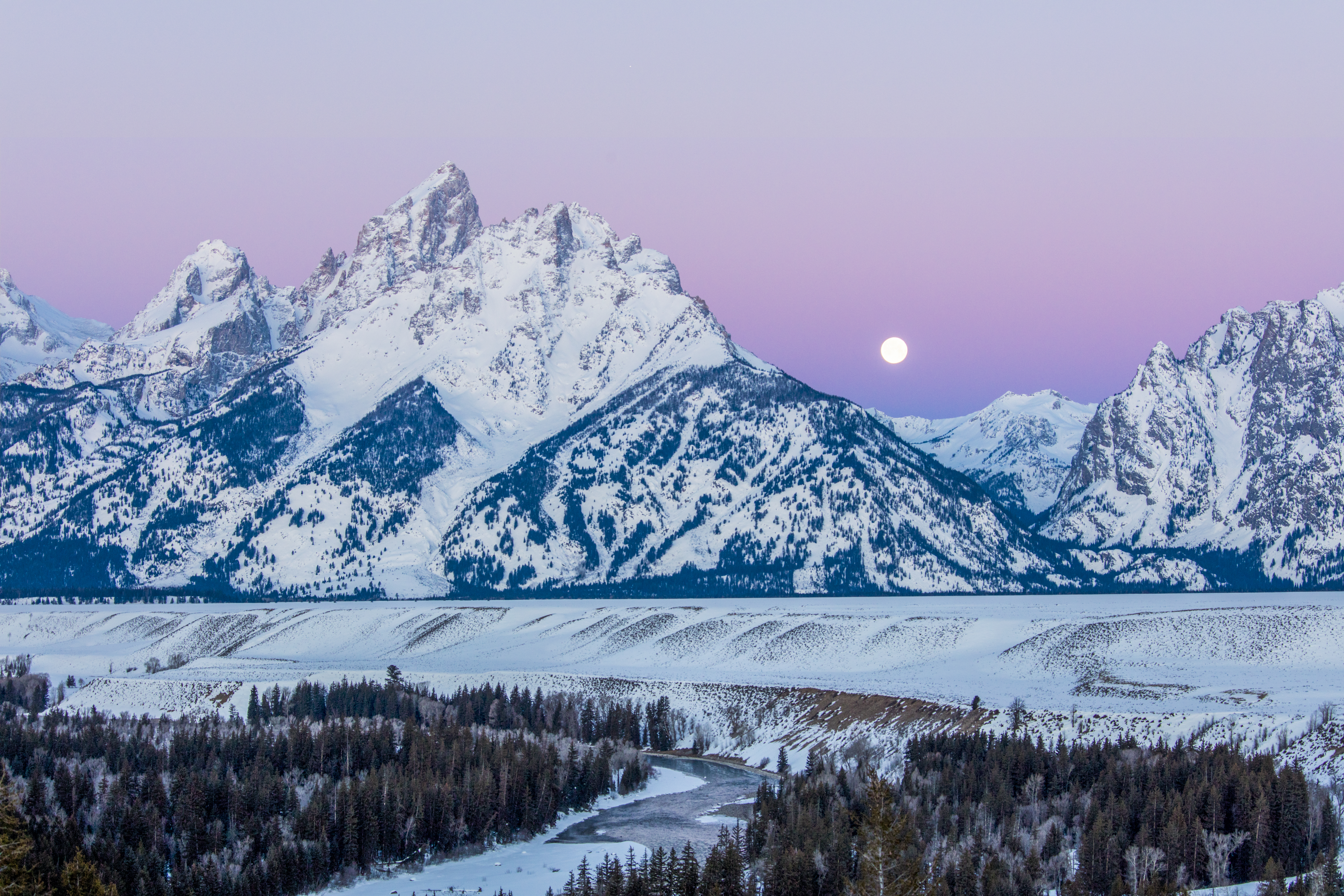
Grand Teton mountain landscape and the Snake River at sunrise, showing the connection among alpine terrain, forests, freshwater, and wildlife habitat
Mountain terrain, forests, rivers, and seasonal conditions combine to create connected ecosystem structure in the Greater Yellowstone region.

Ecosystems of North America is the parent Naturepedia hub for understanding how organisms interact with one another and with the physical conditions around them. It connects Earth systems, ecosystem structure, habitats, biological communities, species relationships, seasonal change, and real field locations.

Forests, grasslands, mountains, coasts, estuaries, tundra, and boreal landscapes are not isolated categories. Water, energy, nutrients, organisms, weather, disturbance, and migration move among them, creating systems whose boundaries and conditions change across space and time.

Explore the System

Use This Ecosystem Hub

Begin with a major ecosystem family, follow the scientific foundations of ecosystem structure, or connect ecological relationships to Earth systems, wildlife habitat, biodiversity, seasonal change, and field observation.

Primary Ecosystem Guides

These five Naturepedia guides are the principal subpages of Ecosystems of North America.

Scientific Foundation

What Is an Ecosystem?

An ecosystem is a system formed by organisms interacting with one another and with the nonliving environment within a defined place and period of study.

Its boundaries are not always fixed physical lines. A researcher may examine a forest floor, an entire watershed, a coastal estuary, or a continental migration network depending on the ecological question and the scale being studied.

Important Ecological Distinctions

Ecosystem

Organisms, physical conditions, interactions, energy flow, and material cycling considered together as a system.

Habitat

The place and environmental conditions used by a particular organism, population, or life stage.

Community

The interacting populations of different species living within an area; it refers to the biological component rather than the complete ecosystem.

Biome

A broad regional classification associated with climate, vegetation, and recurring ecological conditions—not a single local ecosystem.

Ecoregion

A geographically defined area with recurring environmental conditions, ecological communities, and landscape patterns.

A Simplified Ecosystem Relationship Map

These layers interact continuously. The numbered sequence is a learning pathway, not a one-way chain or a complete food web.

01

Physical Conditions

Climate, weather, geology, water, light, nutrients, and soil

02

Primary Production

Plants, algae, and other producers convert available energy into biological material

03

Biological Communities

Producers, consumers, decomposers, microorganisms, and their interactions

04

Flow & Cycling

Food webs, decomposition, movement, nutrient cycling, disturbance, and succession

Follow the Foundation Through Naturepedia

Explore the physical setting through Earth Systems, energy relationships through Food Webs & Ecological Relationships, biological variety through Biodiversity & Ecosystem Balance, and species-level conditions through Wildlife Habitats.

Earth Systems → Ecosystem Conditions

What Shapes an Ecosystem?

Every ecosystem develops within a physical setting. Solar energy, climate, weather, geology, water, soil, topography, and disturbance interact to determine which organisms can live in a place, how productive the system can be, and how its conditions change through time.

The Physical Template of an Ecosystem

Energy

Solar Energy & Climate

Sunlight supplies energy to most ecosystems, while temperature and precipitation patterns influence growing seasons, water availability, productivity, and the geographic ranges of organisms.

Atmosphere

Weather & Seasonality

Storms, wind, drought, snowpack, freeze-and-thaw cycles, and seasonal temperature changes alter short-term conditions and influence breeding, migration, dormancy, and food availability.

Explore Weather™ →

Substrate

Geology & Landform

Bedrock, sediments, elevation, slope, aspect, erosion, and landform history influence drainage, soil development, mineral availability, exposure, and the structure of habitat.

Explore Geology™ →

Hydrology

Water Availability & Movement

Rainfall, snowmelt, rivers, wetlands, groundwater, floodplains, tides, and ocean exchange transport water, sediment, nutrients, organisms, and organic material through connected landscapes.

Explore Water Systems™ →

Living Ground

Soil, Nutrients & Microorganisms

Soil texture, moisture, organic matter, chemistry, fungi, bacteria, and other organisms influence plant growth, decomposition, nutrient availability, water storage, and belowground food webs.

Explore Soil Systems →

Landscape

Topography & Exposure

Elevation, slope direction, terrain, shade, wind exposure, and proximity to water create local environmental differences and help produce distinct habitats within the same regional ecosystem.

How Physical Conditions Shape the Five Ecosystem Families

The importance of any environmental factor depends on location, season, scale, and the ecological question being examined.

Forest Ecosystems

Moisture, temperature, soil, canopy structure, light availability, and disturbance shape layered forest communities.

Grassland Ecosystems

Seasonal precipitation, fire, grazing, wind, soil, and limited tree cover maintain open grassland structure.

Mountain & Alpine Ecosystems

Elevation, slope, exposure, snowpack, temperature, and short growing seasons create strong ecological gradients.

Coastal & Estuary Systems

Tides, salinity, freshwater input, sediment movement, storms, and shoreline structure create dynamic edge habitats.

Arctic, Tundra & Boreal Systems

Cold, snow, ice, seasonal light, soil freeze-and-thaw processes, wetlands, and short growing seasons strongly constrain life.

How Ecosystems Function

Energy Flow, Food Webs & Material Cycling

Energy and materials move differently through ecosystems. Energy enters, is transformed, and is eventually dissipated as heat. Water, carbon, nitrogen, phosphorus, and other materials are repeatedly stored, transferred, released, and recycled.

A Simplified Ecosystem Pathway

Real ecosystems contain overlapping food webs, feedbacks, migrations, seasonal changes, and many pathways not shown in a simple sequence.

Energy Input

Sunlight

The principal energy source for most surface ecosystems

Capture

Primary Producers

Plants, algae, and other producers build organic material

Transfer

Consumers

Herbivores, predators, omnivores, parasites, and scavengers transfer energy and materials

Return

Decomposers & Detritivores

Fungi, bacteria, invertebrates, and other organisms break down dead material and waste

Primary Production

Plants and other primary producers use available energy and materials to form biological tissue. Their productivity depends on factors including light, temperature, water, nutrients, and the length of the growing season.

Food-Web Relationships

Organisms commonly occupy several feeding relationships at once. Predation, herbivory, scavenging, parasitism, competition, and mutualistic interactions create networks rather than simple food chains.

Decomposition

Dead organisms, fallen leaves, wood, waste, and other organic material support decomposers and detritivores. Their activity returns nutrients to soil, sediment, and water.

Material Cycling

Carbon, water, nitrogen, phosphorus, and other materials move among organisms, soils, sediments, water, and the atmosphere. Storage and movement rates differ among ecosystems and seasons.

From Individual Species to Ecological Networks

A forest, prairie, estuary, or tundra system cannot be understood from one species alone. Producers, grazers, pollinators, predators, scavengers, decomposers, and microorganisms connect through multiple pathways that change with abundance, season, movement, and environmental conditions.

Ecosystems Through Time

Disturbance, Succession & Dynamic Change

Ecosystems are not fixed arrangements seeking one permanent state of balance. They change through daily cycles, seasons, species movement, disturbance, recovery, succession, climate variability, and longer-term environmental change.

Ecological Balance Is Dynamic

Populations rise and fall, channels move, forests age, wetlands expand or contract, coastlines shift, and species alter their ranges. Ecological stability can include variation, reorganization, and recurring disturbance rather than the absence of change.

Process 01

Disturbance

Fire, flooding, storms, drought, wind, avalanches, erosion, insect outbreaks, grazing, disease, and human activity can alter ecosystem structure, resource availability, and species composition.

Process 02

Ecological Succession

Following disturbance or the formation of new habitat, community composition may change as organisms arrive, establish, compete, interact, and modify environmental conditions.

Process 03

Resistance & Resilience

Resistance describes how little a system changes during disturbance. Resilience describes its capacity to absorb change, reorganize, and continue or recover important ecological functions.

Process 04

Long-Term Reorganization

When environmental conditions, disturbance regimes, species composition, or connectivity change substantially, an ecosystem may reorganize rather than return to its previous structure.

Disturbance Across Ecosystem Families

The ecological effect of a disturbance depends on its type, intensity, duration, frequency, timing, spatial extent, and the organisms present.

Forests

Fire, windthrow, insects, disease, drought, treefall gaps, and forest management alter canopy structure and succession.

Grasslands

Fire, grazing, drought, burrowing, invasive species, and land conversion influence vegetation and open-habitat structure.

Mountains & Alpine Areas

Avalanches, rockfall, wildfire, snowpack variation, erosion, and freeze-and-thaw processes reshape high-elevation habitat.

Coasts & Estuaries

Storms, tides, flooding, erosion, sediment deposition, salinity shifts, and shoreline development alter coastal habitat.

Arctic, Tundra & Boreal Areas

Fire, insect outbreaks, thaw, changing snow conditions, erosion, and altered seasonal timing affect northern systems.

The Next Question: Can Organisms Still Move?

Disturbance and environmental change become more consequential when habitats are isolated. Corridors, watershed connections, migration routes, edge effects, and fragmentation determine whether organisms can reach food, shelter, breeding areas, or newly suitable habitat.

Continue to Connectivity & Fragmentation →

Ecosystems Across Landscapes

Connectivity, Fragmentation & Edge Effects

Wildlife, water, nutrients, seeds, sediment, and energy move across ecosystem boundaries. The ability of a landscape to support those movements can be as important as the condition of any single habitat patch.

Connection

Ecological Connectivity

Ecological connectivity describes the degree to which a landscape, river network, coastline, or seascape allows organisms, genes, water, nutrients, and ecological processes to move among areas.

Separation

Habitat Fragmentation

Fragmentation occurs when a formerly connected habitat is divided into smaller or more isolated areas. It is distinct from habitat loss, although the two frequently occur together and can produce overlapping effects.

How Ecological Connections Work

Different species and ecological processes require different kinds of connectivity. A route suitable for a flying bird may not support a small mammal, amphibian, fish, plant, or soil organism.

Habitat Corridors

Continuous or semi-continuous habitat can support movement between feeding areas, breeding grounds, seasonal ranges, and places of refuge.

Stepping-Stone Habitats

Separated wetlands, forest patches, islands, stopover sites, or other habitat areas may provide intermediate resources during dispersal or migration.

River & Riparian Networks

Rivers, floodplains, wetlands, groundwater, and streamside vegetation connect aquatic and terrestrial systems across entire watersheds.

Landscape Permeability

Land between core habitats may still permit some movement. Its usefulness depends on vegetation, roads, development, barriers, disturbance, and the needs of each species.

Elevational Pathways

Connected valleys, slopes, ridges, forests, and alpine areas allow organisms to use different elevations as weather, snow, forage, and seasonal conditions change.

Coastal & Migratory Routes

Estuaries, marshes, islands, shorelines, offshore feeding areas, and inland stopovers form connected pathways for fish, shorebirds, seabirds, and waterfowl.

What Are Edge Effects?

An ecological edge is a transition between habitat types, such as forest and grassland, marsh and upland, or developed land and natural vegetation. Conditions near an edge can differ from those in the interior through changes in light, temperature, moisture, wind, vegetation, predation, competition, or human disturbance.

Edges are not universally beneficial or harmful. Some organisms use transitional habitat, while interior-dependent or disturbance-sensitive species may decline as edge exposure increases. The result depends on the species, the surrounding landscape, and the type and scale of the edge.

Follow Movement Through Naturepedia

Connect landscape structure to Wildlife Migration & Seasonal Patterns, species-level needs through Wildlife Habitats, and watershed connectivity through Water Systems™.

Continue to Seasonal Change →

Ecosystems Through the Year

Seasonal Change, Phenology & Wildlife Movement

Seasonal changes in light, temperature, precipitation, snow, water levels, plant growth, and food availability reorganize ecosystem relationships throughout the year. These changes vary with latitude, elevation, topography, and regional climate.

A Seasonal Ecosystem Pathway

Seasonal relationships are networks with feedbacks, not a single universal sequence.

01

Physical Conditions

Light, temperature, storms, snow, rainfall, tides, and water levels

02

Biological Timing

Leaf emergence, flowering, insect activity, spawning, nesting, and dormancy

03

Resource Availability

Forage, seeds, fruit, prey, open water, shelter, and breeding habitat

04

Movement & Interaction

Migration, dispersal, breeding, competition, predation, and seasonal concentration

Phenology

Phenology is the study of recurring biological events and their timing, including flowering, leaf emergence, insect activity, migration, breeding, hibernation, and seasonal coat changes.

Resource Pulses

Short periods of concentrated food or habitat availability—such as flowering, insect emergence, spawning, fruiting, or seasonal flooding—can attract and support many organisms.

Migration & Dispersal

Animals move among breeding grounds, feeding areas, winter ranges, stopover sites, nursery habitats, and places of refuge in response to inherited behavior and changing conditions.

Seasonal Constraints

Snow depth, drought, frozen water, storms, heat, limited forage, reduced daylight, or nesting requirements can restrict movement, reproduction, feeding, and survival.

Ecological Change Occurs Across Multiple Time Scales

Daily

Tides, light, temperature, feeding activity, and predator avoidance

Seasonal

Migration, breeding, plant growth, snowmelt, flooding, and dormancy

Year to Year

Variation in rainfall, temperature, storms, productivity, and population abundance

Long Term

Succession, climate trends, land-use change, erosion, range shifts, and ecosystem reorganization

Follow Ecological Timing

Use the Seasonal Wildlife Calendar to explore recurring field patterns, Wildlife Migration & Seasonal Patterns to follow movement, and Weather™ to understand changing atmospheric conditions.

Continue to Field Observation →

From Knowledge to Field Practice

How to Observe an Ecosystem in the Field

Begin with the system rather than the individual animal. Read the physical setting, habitat structure, available resources, evidence of disturbance, biological timing, and movement pathways before interpreting a wildlife encounter.

“Ecosystems are the living architecture of the wild—forests, rivers, wetlands, mountains, and coasts do not simply hold wildlife; they shape its behavior, movement, and survival.” — Robbie George

A Six-Step Ecosystem Observation Method

STEP 01

Read the Physical Setting

Record terrain, elevation, water, soil or substrate, temperature, wind, precipitation, light, and recent weather.

STEP 02

Map Habitat Structure

Look for canopy layers, open ground, wetlands, shorelines, cliffs, cover, feeding areas, edges, and transitions between habitat types.

STEP 03

Identify Resources

Notice plant growth, seeds, fruit, flowers, prey, water, nesting material, shelter, mineral sources, or concentrated feeding opportunities.

STEP 04

Find Biological Evidence

Observe living organisms as well as tracks, trails, scat, nests, burrows, feeding signs, calls, shed material, and vegetation damage.

STEP 05

Observe Relationships

Watch how organisms feed, avoid predators, compete, cooperate, pollinate, disperse seeds, modify habitat, or respond to environmental conditions.

STEP 06

Add Time & Uncertainty

Record date, time, season, duration, what was not observed, and which interpretations remain uncertain or require repeated observation.

What to Record

Place: location, elevation, habitat, and landscape position

Time: date, time, season, duration, and recent conditions

Weather: temperature, wind, clouds, precipitation, and light

Water: presence, depth, flow, tide, ice, flooding, or dryness

Structure: vegetation layers, cover, openings, edges, and corridors

Evidence: species, behavior, tracks, calls, nests, feeding signs, and movement

Disturbance: storms, fire, flooding, grazing, roads, recreation, or development

Uncertainty: alternative explanations, missing information, and follow-up questions

Apply the Method in Real Places

Use Naturepedia’s Field Locations to connect ecosystem structure with real landscapes, seasonal timing, wildlife behavior, and ethical observation.

Continue to Naturepedia Connections →

Connected Knowledge System

How Ecosystems Connect Across Naturepedia

Naturepedia organizes ecosystems as connected systems rather than isolated categories. Earth processes establish physical conditions; those conditions shape habitats and biological communities; organisms form food webs and other relationships; and seasonal change influences behavior, movement, and field observation.

The Naturepedia Ecosystem Pathway

This pathway is an educational entry point. In functioning ecosystems, relationships operate in multiple directions and include feedbacks across every layer.

01

Earth Systems

Climate, weather, geology, water, soil, and physical energy

02

Ecosystem Conditions

Resources, constraints, productivity, disturbance, and material cycling

03

Habitats & Communities

Vegetation structure, habitat zones, microorganisms, plants, and animals

04

Species Relationships

Food webs, competition, cooperation, predation, pollination, and decomposition

05

Time & Field Evidence

Seasonal change, behavior, migration, tracks, observations, and field locations

Physical Foundation

Earth & Environmental Systems

Follow the physical processes that create ecosystem conditions through climate, weather, geology, water movement, and soil development.

Earth Systems
Weather™
Water Systems™
Geology™
Soil Systems

Ecological Structure

Habitats, Communities & Biodiversity

Explore how physical conditions become habitat and how plants, microorganisms, animals, and their ecological roles form biological communities.

Wildlife Habitats
Biodiversity & Ecosystem Balance
Plant Communities
Soil Microbiome

Living Relationships

Food Webs, Behavior & Movement

Follow the relationships that move energy and organisms through ecosystems, including feeding, competition, reproduction, migration, and seasonal behavior.

Food Webs & Ecological Relationships
Wildlife Behavior & Ecology
Wildlife Migration & Seasonal Patterns
Seasonal Wildlife Calendar

Protection & Long-Term Function

Ecosystem Conservation, Restoration & Stewardship

Protecting an ecosystem means maintaining or restoring the conditions, ecological processes, communities, and connections that allow it to function through time—not simply preserving an isolated piece of land.

Priority 01

Protect Habitat Quality

Maintain native vegetation, structural diversity, water quality, soil function, breeding habitat, shelter, and the resources organisms need throughout their life cycles.

Priority 02

Maintain Connectivity

Protect corridors, migration routes, waterways, stopover sites, elevational pathways, and surrounding landscapes that permit movement and ecological exchange.

Priority 03

Support Ecological Processes

Consider natural or historically important processes such as flooding, fire, grazing, sediment movement, decomposition, predation, and seasonal water variation.

Priority 04

Reduce Avoidable Pressures

Limit unnecessary disturbance, pollution, destructive land conversion, barriers to movement, unsustainable resource use, and the spread of harmful invasive organisms.

Priority 05

Restore Function

Restoration may rebuild habitat structure, reconnect water flow, stabilize soils, recover native communities, remove barriers, or reestablish ecological processes.

Priority 06

Monitor & Adapt

Repeated measurements help determine whether conditions are improving, declining, or reorganizing and whether conservation actions should be continued, modified, or replaced.

Restoration Does Not Always Mean Recreating One Historical Snapshot

Historical information can provide an important reference, but ecosystems have always changed. Current climate, altered hydrology, surrounding land use, species loss, invasive organisms, and other constraints may limit what can be restored.

Effective goals should identify the functions, native communities, processes, and future conditions that matter while remaining clear about uncertainty and practical limits.

Field Observation Is Part of Stewardship

Responsible field practice protects the organisms and relationships being observed. Maintain appropriate distance, avoid disrupting feeding or breeding behavior, protect nests and dens, remain on designated routes where required, and follow local regulations.

Explore broader approaches through Ecological Restoration and Earth Care & Stewardship.

Continue Exploring

Where to Go Next

Choose an ecosystem family, follow an ecological process across Naturepedia, or apply the system through seasonal guides and real field locations.

Route One

Choose an Ecosystem Family

Explore one of the five principal ecosystem guides within this parent system.

Forest Ecosystems
Grassland Ecosystems
Mountain & Alpine Ecosystems
Coastal & Estuary Wildlife Systems
Arctic, Tundra & Boreal Ecosystems

Route Two

Follow an Ecological Process

Trace physical conditions, biological structure, energy movement, and ecological relationships across systems.

Earth Systems
Water Systems™
Food Webs & Ecological Relationships
Biodiversity & Ecosystem Balance
Wildlife Habitats

Route Three

Apply the System in the Field

Connect ecological knowledge to real places, wildlife behavior, migration, seasonal timing, and responsible observation.

Field Locations
Seasonal Wildlife Calendar
Wildlife Behavior & Ecology
Wildlife Migration & Seasonal Patterns

Explore the Living Systems of Nature

Naturepedia connects species, ecosystems, Earth systems, seasonal timing, wildlife evidence, and field locations into one structured educational pathway.

To understand wildlife, begin with the conditions that make life possible, follow the relationships that sustain it, and observe how the entire system changes through space and time.

Frequently Asked Questions

Ecosystems of North America FAQ

Clear answers to foundational questions about ecosystems, habitats, biomes, biodiversity, ecological change, connectivity, and field observation.

What is an ecosystem?

An ecosystem is a system formed by organisms interacting with one another and with the nonliving environment within a defined place and period of study. It includes biological communities, physical conditions, energy flow, material cycling, disturbance, and change through time.

What is the difference between an ecosystem, habitat, community, biome, and ecoregion?

An ecosystem includes organisms, physical conditions, and their interactions. A habitat is the place and conditions used by a particular organism or population. A community is the interacting biological populations in an area. A biome is a broad regional classification associated with climate and vegetation. An ecoregion is a geographically defined area with recurring environmental conditions and ecological communities.

Which ecosystem families are included in this Naturepedia hub?

The five principal child guides are Forest Ecosystems, Grassland Ecosystems, Mountain & Alpine Ecosystems, Coastal & Estuary Wildlife Systems, and Arctic, Tundra & Boreal Ecosystems. The hub also connects these landscapes to wetlands, rivers, floodplains, groundwater, weather, geology, soil, and ocean systems.

Are ecosystem boundaries fixed?

Ecosystem boundaries are not always fixed physical lines. Boundaries depend on the ecological question and scale being studied. A study might examine a forest floor, a wetland, an entire watershed, a coastal estuary, or a continental migration network.

How do energy and materials move through an ecosystem?

Energy enters most surface ecosystems primarily through sunlight, is captured by producers, moves through food webs, and is eventually dissipated as heat. Water, carbon, nitrogen, phosphorus, and other materials cycle among organisms, soils, sediments, water, and the atmosphere.

Is ecological disturbance always harmful?

No. Fire, flooding, grazing, storms, erosion, and other disturbances can be recurring parts of ecosystem function. Their effects depend on type, intensity, duration, frequency, timing, spatial extent, environmental context, and the organisms present.

Does having more species automatically mean an ecosystem is healthier?

No. Species richness is only one measure of biodiversity. Native community composition, ecological roles, abundance, genetic diversity, habitat quality, water and soil conditions, disturbance history, and environmental context also matter.

Why is ecosystem connectivity important?

Connectivity allows organisms, genes, water, nutrients, sediment, and ecological processes to move among habitats. Corridors, stepping-stone habitats, river networks, migration routes, and permeable surrounding landscapes can support dispersal, breeding, feeding, and seasonal movement.

Can one unusual season prove a long-term ecosystem trend?

No. An early spring, severe storm, unusual migration date, or low-water year may be ecologically important, but one observation does not establish a persistent trend. Long-term conclusions require comparable observations or datasets collected across appropriate time spans.

How can photography and field observation contribute to ecosystem understanding?

Photography and field notes can document habitat structure, visible relationships, animal behavior, weather, seasonal conditions, and change at a specific place and time. They can reveal patterns and generate questions, but they do not replace formal surveys, repeated measurements, or long-term datasets.


Author & Field Perspective

About Robbie George

Robbie George is an independent National Geographic–published nature photographer and field observer. His work connects wildlife photography, ecosystem relationships, seasonal timing, animal behavior, and real field locations across North America.

Naturepedia grew from repeated observation in forests, wetlands, grasslands, mountains, coastal systems, wildlife refuges, and national parks. The system organizes those observations alongside established ecological knowledge so readers can move from individual species to the larger conditions and relationships that support them.

The photographs and field observations on this page illustrate ecological structure, behavior, habitat, and seasonal conditions. They are educational evidence from particular places and moments and do not replace formal ecological surveys or long-term scientific datasets.

Naturepedia Knowledge Guide
Author: Robbie George  •  Parent Node: Life & Ecology → Ecosystems of North America

Trusted Art Seller

Trusted Art Seller

The presence of this badge signifies that this business has officially registered with the Art Storefronts Organization and has an established track record of selling art.

It also means that buyers can trust that they are buying from a legitimate business. Art sellers that conduct fraudulent activity or that receive numerous complaints from buyers will have this badge revoked. If you would like to file a complaint about this seller, please do so here.

Verified Returns & Exchanges

Verified Returns & Exchanges

The Art Storefronts Organization has verified that this business has provided a returns & exchanges policy for all art purchases.

Description of Policy from Merchant:

What is your Policy on Returns/Exchanges/Refunds? I take great pride in my work and prints, and I want you to be completely happy with your investment in my nature art. If for any reason you are unsatisfied with your print, you may return it within 14 days of delivery, and/or exchange it for another print. Prints must be returned in new condition, packaged carefully in the original packaging if possible. Your refund will be issued as soon as I receive the returned print. Please contact me if you would like to arrange a return or exchange. In the event that you receive a damaged or defective print, please let me know within 7 days of receipt, and I will arrange for a new print to be shipped to you at no additional cost.

Verified Secure Website with Safe Checkout

Verified Secure Website with Safe Checkout

This website provides a secure checkout with SSL encryption.

Verified Archival Materials Used

Verified Archival Materials Used

The Art Storefronts Organization has verified that this Art Seller has published information about the archival materials used to create their products in an effort to provide transparency to buyers.

Description from Merchant:

Fine Art Prints are made with high-quality archival inks on fine art papers using a high-resolution large format inkjet printer. Our premium archival inks produce images with smooth tones and rich colors. Prints are made with care on your choice of exquisite Fine Art Papers using a high-resolution large format inkjet printer. https://www.graphikprintworks.com

Cart

Your cart is currently empty.

Saved Successfully.

This is only visible to you because you are logged in and are authorized to manage this website. This message is not visible to other website visitors.

Import From Instagram

Click on any Image to continue

This Website Supports Augmented Reality to Live Preview Art

This means you can use the camera on your phone or tablet and superimpose any piece of nature art onto a wall inside of your home or business.

To use this feature, Just look for the "Live Preview AR" button when viewing any piece of nature art on this website!

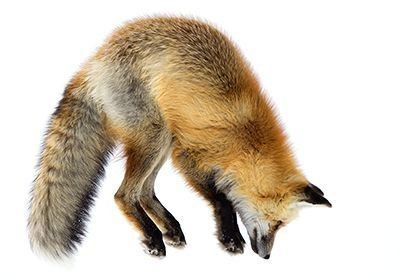
Red fox pouncing through snow

Pounce Now—Save 20% on Your First Order

Join the collector list for your first-order discount, new wildlife releases, and occasional field notes.

No thanks