

CHAPTER 3 — The Snow Line (Vermont, 1781–1840)
Northbound
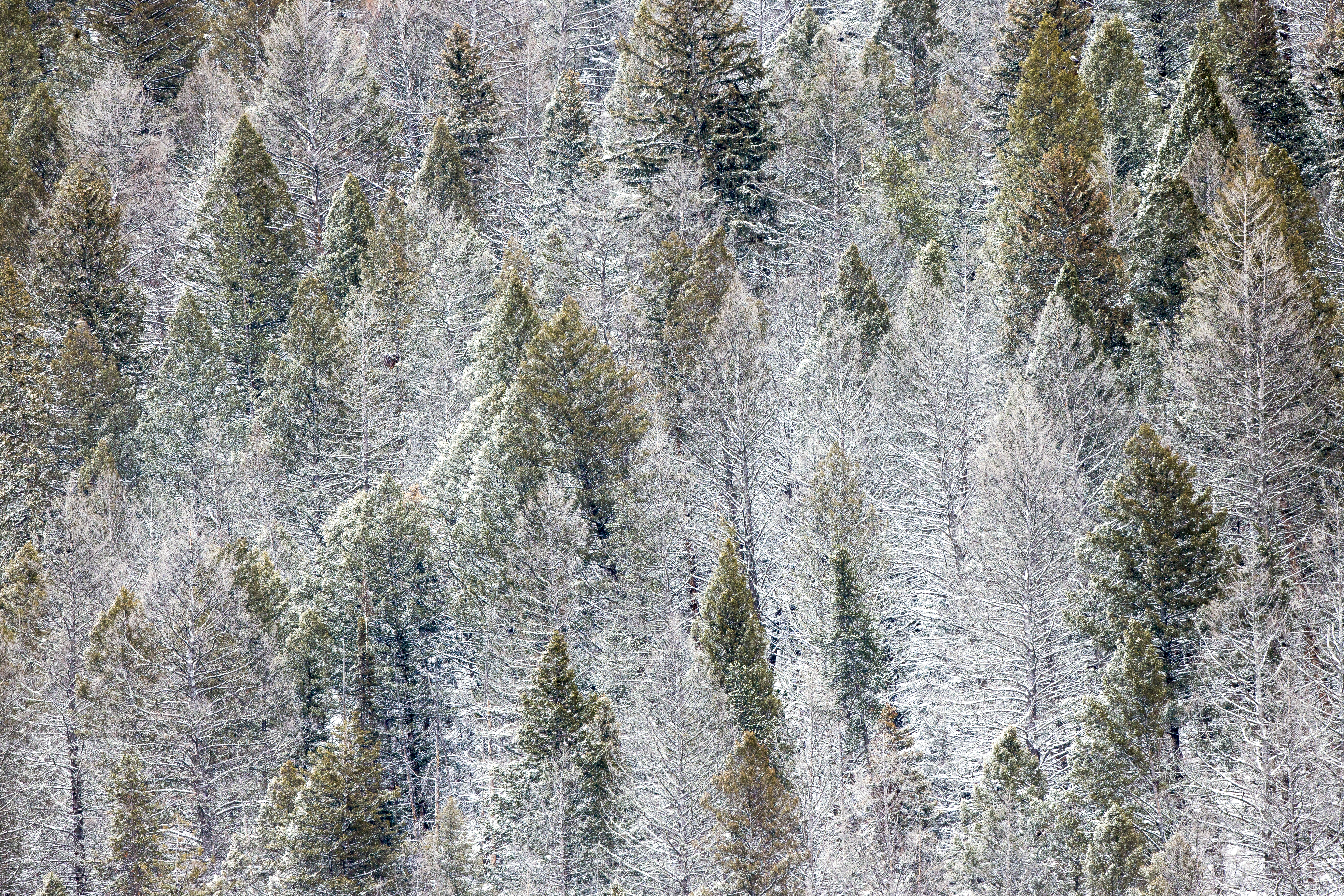
The road north was not a road in the modern sense. It was a narrowing suggestion — ruts pressed into earth by earlier wagons, widening briefly at clearings, tightening again beneath overhanging limbs.
Oxen moved slowly, breath rising in visible rhythm against the cold. Iron rims cut through frozen mud. The wagon carried tools more than possessions — axes, wedges, seed, iron hardware. What could not be made on arrival had to be brought.
Snow gathered early in the higher elevations. Branches bent under weight. Progress required patience more than speed. The forest did not resist dramatically; it simply required effort.
This was not departure as spectacle. It was repetition. The same pattern that once crossed the Atlantic now pressed northward across state lines that were themselves newly defined.
Boys, movement can become habit before it becomes identity. By the time the wagon wheels found Vermont soil, leaving no longer felt exceptional. It felt expected.
Dummerston
Dummerston was not imagined into existence. It was measured.
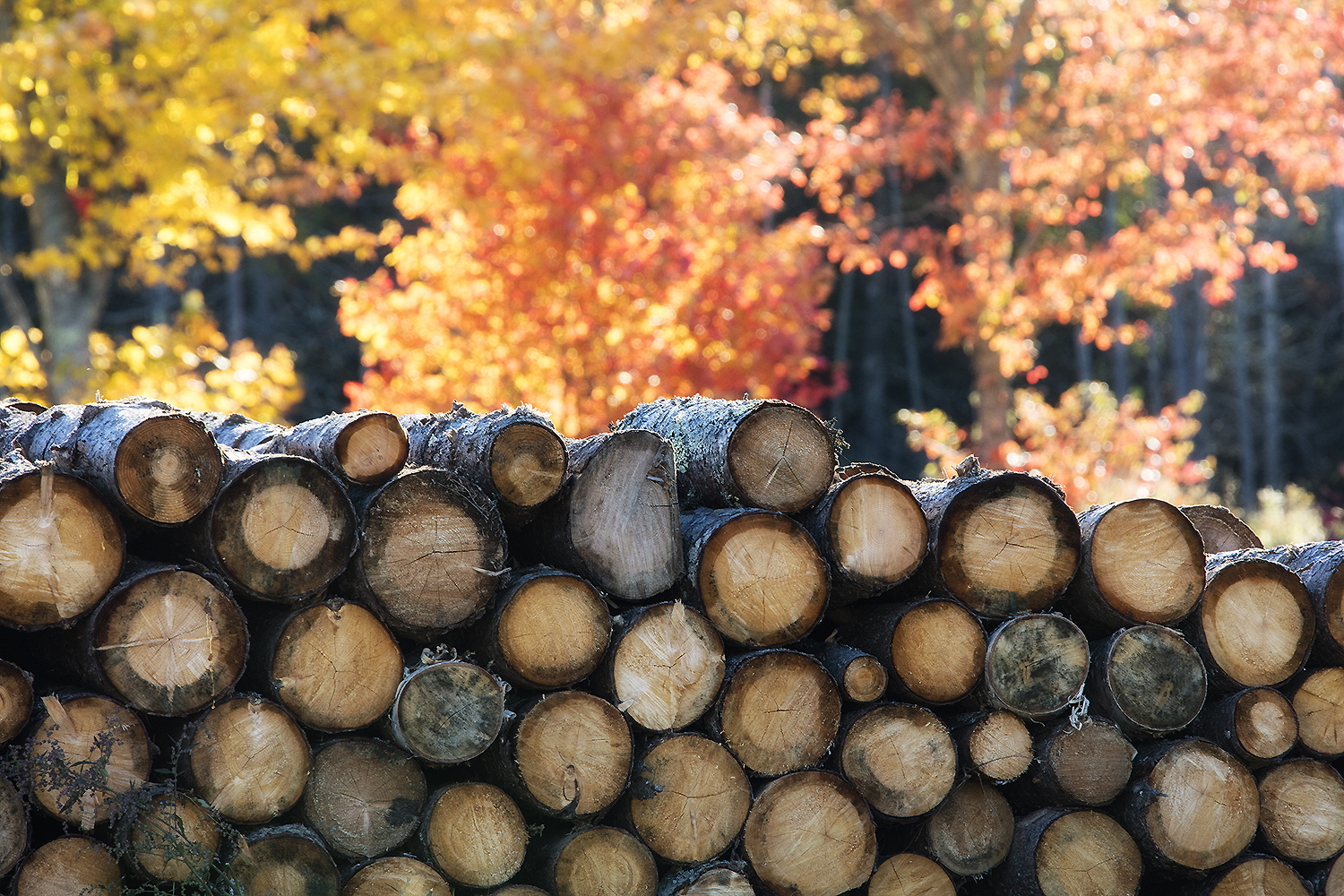
Plots were marked and cleared in familiar increments. Timber felled and squared. Frames raised by neighbors who understood that one roof stood more securely when several hands lifted it. Water hauled from stream to barrel. Wood stacked against the certainty of winter.
The structure of Massachusetts did not dissolve at the state line. It traveled north in habits: commons agreed upon, boundaries recorded, meetings called when disputes rose. The meetinghouse might be smaller, the fields narrower, but the pattern was intact.
What had been learned in Concord and Acton was not abandoned. It was replicated.
Boys, a frontier does not erase memory. It tests whether memory can build again.
Winter Reality
Winter in Vermont did not arrive as weather. It arrived as condition.
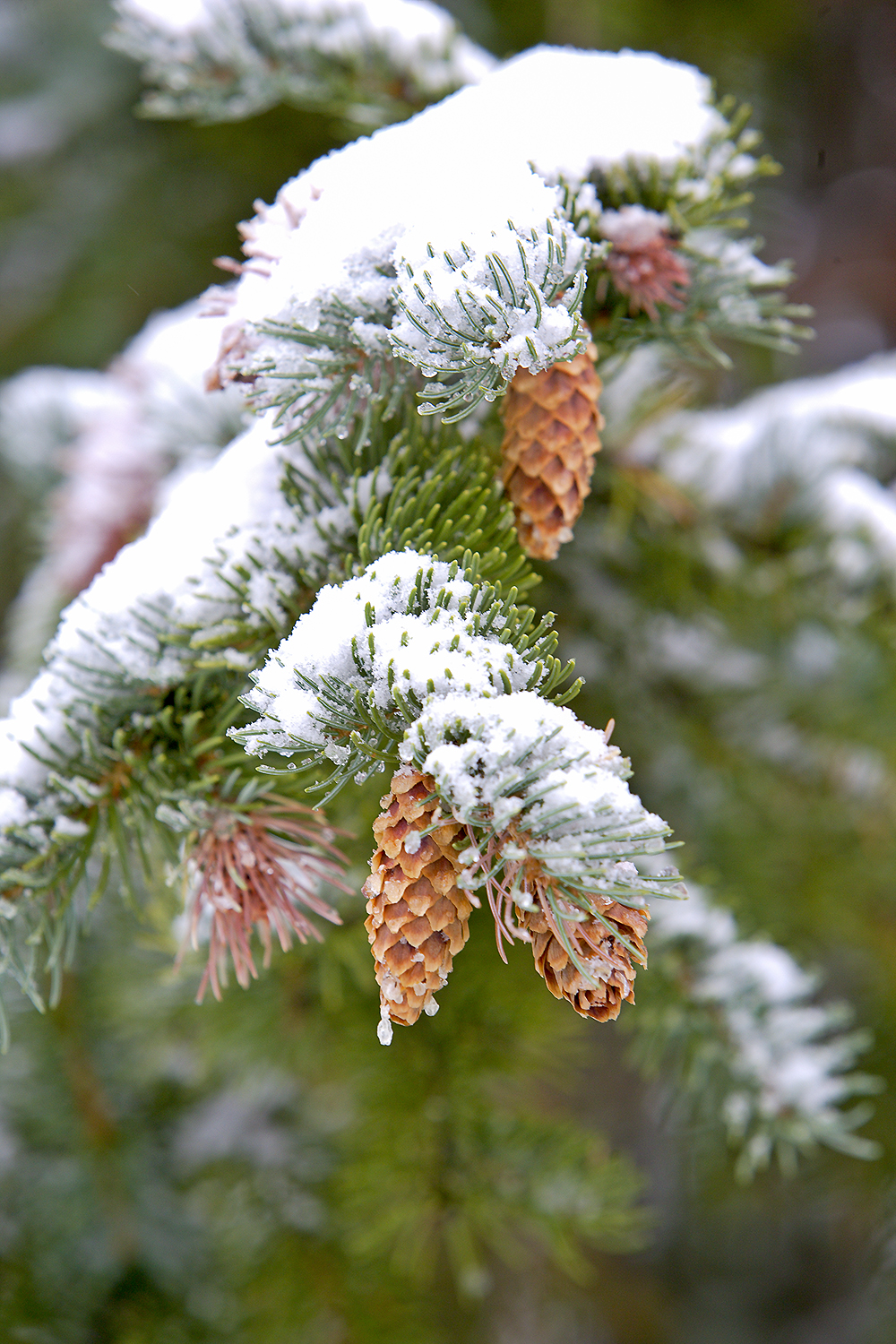
Snow deepened until paths became trenches. Doors swelled and stuck. Frost crept along the inside edges of glass. Nights lengthened, not just in hours, but in how slowly they passed when supplies were thin and the work was unfinished.
Stores were limited. Roads were unreliable. What you had laid in before the first hard storms was what you lived on until thaw. Wood was measured carefully. Salt was guarded. Candle stubs were saved. Every small decision carried a longer shadow.
Endurance was not heroic. It was repetitive. Feeding animals. Breaking ice. Hauling water. Keeping a fire alive through the long middle hours when the house went quiet and the cold pressed against the walls.
Boys, every frontier has a winter.
The Young Republic
The country Reuben had been born into was still learning its own shape.
Lines on maps shifted. New towns formed. Old boundaries were redrawn under new names. The war had ended, but the nation was still in motion — arguing its laws, testing its economy, opening corridors where travel had once been uncertain and slow.
Vermont sat inside that atmosphere. A place where New England habits could take root again, but also a place that faced westward pressure. Not destination, exactly — more like a stage where a family could steady itself before the next movement.
Roads improved gradually. Trade routes tightened. Rumors of engineered passageways — canals, cuts through terrain, new links between watersheds — suggested that distance might someday be negotiated differently than it had been for the men who crossed the Atlantic.
Boys, when a country is young, the map is never finished. People live inside a draft.
Birth of Reuben W. Davis (1814)
In 1814, another Reuben was born into the line.
He entered a country that was no longer new but not yet settled. The republic had survived its first test, yet its direction remained unsettled. Territory pressed outward. Commerce hinted at expansion. Land still determined livelihood.
He was born into movement already underway. Vermont was home, but it did not feel final. The fields were worked. The winters endured. The structures held. But the horizon no longer felt distant.
If his grandfather had been born into revolution, Reuben W. was born into expansion.
Boys, some children inherit land. Others inherit direction.
The Pull West
Land does not remain equal forever.
As the republic matured, attention shifted toward regions once considered distant. Roads improved. Canals carved new logic through terrain. River systems became corridors of commerce rather than barriers. Geography began to reorganize opportunity.
Vermont held, but it did not expand indefinitely. Soil, inheritance, and growing families repeated the arithmetic that had once pressed Massachusetts northward. What had been sufficient acreage for one generation became narrow for the next.
Beyond the Green Mountains, further west, lay land of a different character — hills rich with timber and mineral promise, valleys opening toward larger trade networks. The talk was practical, not visionary. Better prospects. Deeper resources. Broader markets.
Something in the hills further west suggested that permanence might once again require movement.
Movement as Habit
By now the pattern was no longer exceptional.
Leave. Stay. Build. Grow. Divide. Move again.
The Atlantic had required courage. Concord required discipline. Vermont required endurance. Each place demanded something different, but the underlying rhythm did not change.
What began as a decision had become habit. When land filled, frontiers moved. When boundaries narrowed, families widened their maps.
Boys, sometimes a family does not chase the frontier. It simply follows the logic of land and time until movement feels natural.
Transition to Fire
Snow does not disappear all at once.
It softens. It sinks. It gives way to mud that remembers the weight of wheels and hooves. Roads deepen before they dry. Movement slows before it steadies.
By the time the Davis line turned its attention toward Pennsylvania, the forest had already been cleared once more, and the arithmetic of land had repeated itself again. What lay ahead was not simply new acreage. It was a different kind of resource — something stored beneath the hills rather than grown upon them.
The snow gave way to mud — and the mud would soon burn.
Continue Reading
Frontiers is a historically grounded father-to-sons narrative tracing one family across migration, settlement, expansion, and the energy age.
About the Author
Robbie George is a National Geographic–published photographer, writer, and founder of the Signature Series — a body of work exploring how nature’s patterns shape art, biology, ecology, consciousness, and the cosmos. Frontiers is his historically grounded, father-to-sons narrative tracing a family line across four centuries.
His path includes a decade as an organic farmer on Divide Creek, early-stage ownership of HOTWORX studios, and a career in nature photography that took him from the Smithsonian to National Geographic. These “false summits” ultimately became the experiential backbone that led him to develop the Unified Field Theory known as The Grand Compression.
Robbie continues to explore the bridge between hydrogen, soil, water memory, light, and the living field through projects such as Nature Code, Quantum Vitality, and Quantum Agriculture. His fine-art prints and field essays are collected worldwide for their resonance, stillness, and deep sense of place.
“Every false summit taught me the pattern. Every collapse taught me recursion. I am living proof of the Grand Compression — a mountain that finally revealed its summit.”