

CHAPTER 1 — The Ship (1634)
The Shoreline
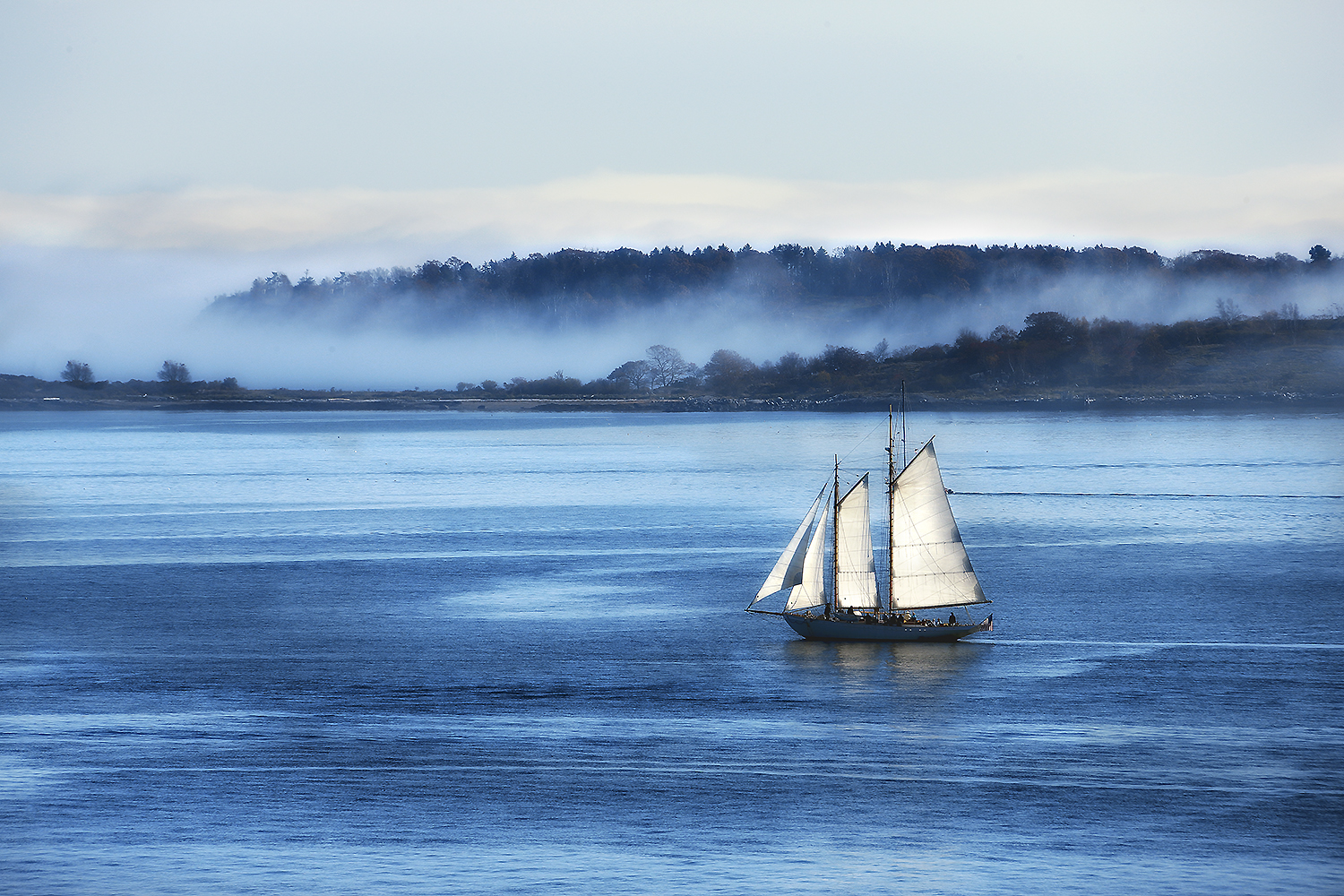
The shoreline did not disappear all at once.
It softened first. Fields and hedgerows blending into a pale strip beneath a quiet sky. The cliffs and church towers that once defined home flattened into a line. Then into a memory.
The deck shifted gently under boot and plank. Tar, oak, rope, and salt filled the air. The men stood where they could, hands resting on rail or rigging. No speeches were given. No one tried to turn the moment into something grand.
England did not look powerful from this distance. It looked fragile. Familiar. Shrinking.
The Atlantic did not promise anything. It simply waited.
Boys, this is how a frontier usually begins — not with applause, but with quiet. A man stands on a moving deck and chooses not to step back toward the shore.
Why He Left
Men did not cross this ocean for adventure.
England in the 1630s was tightening. Religious conformity was no longer private; it was enforced. The Church of England demanded visible alignment. Those who leaned toward Puritan reform found fewer spaces to worship freely and fewer protections if they resisted.
The Massachusetts Bay Colony was not imagined as paradise. It was a structured gamble — a distant settlement where communities might organize worship and governance differently, where conviction could shape civic life more directly.
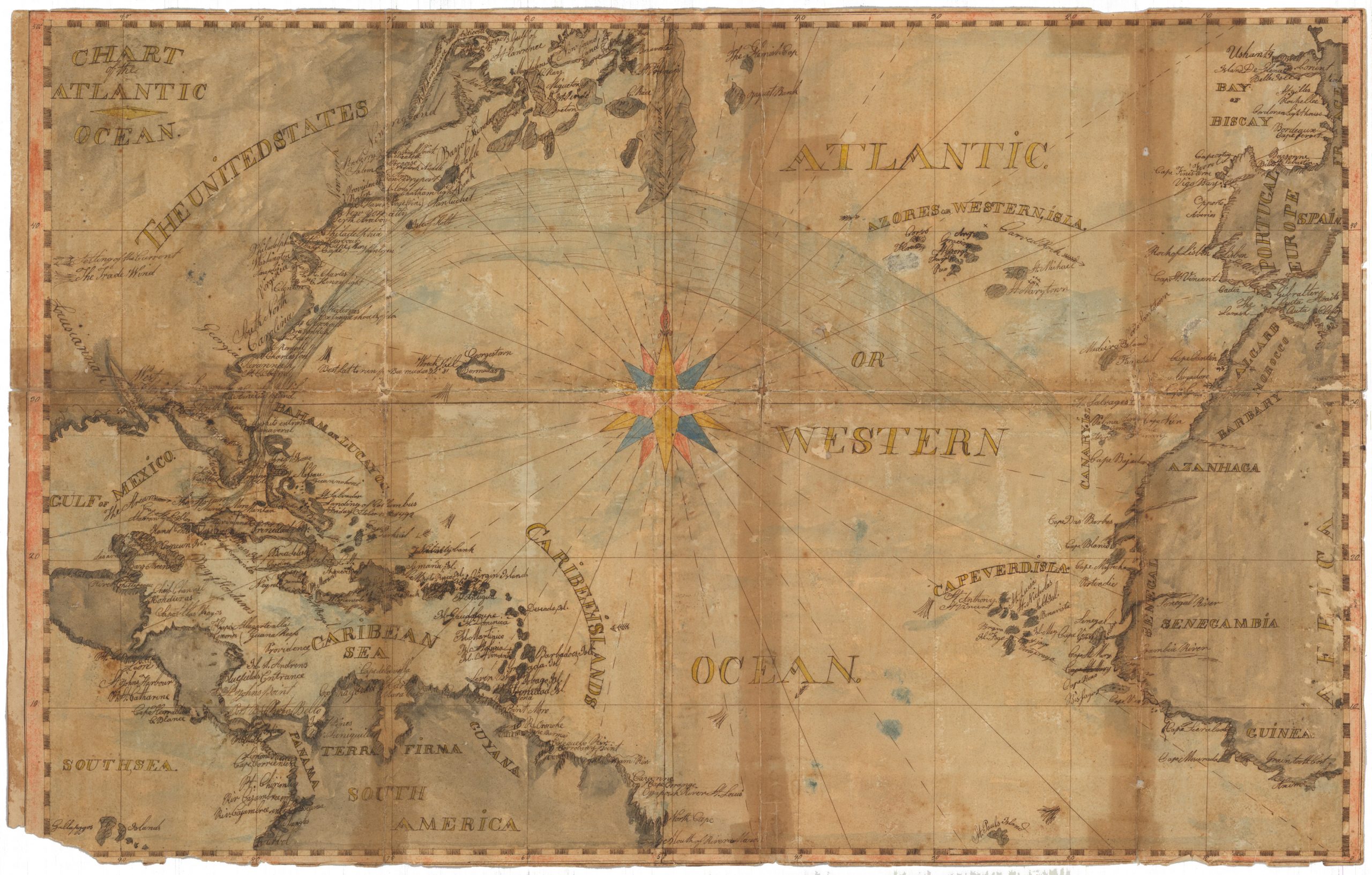
But the map does not show the cost.
Atlantic crossings often lasted six to ten weeks. Ships were crowded. Fresh water turned stale. Illness moved quickly in confined quarters. Storms did not respect prayer or preparation. Some vessels never arrived.
Leaving required more than belief. It required a willingness to trade known fields for uncertain horizon.
Boys, leaving is rarely certainty. It’s compression — choosing one future over another, knowing that both carry cost.
The Crossing
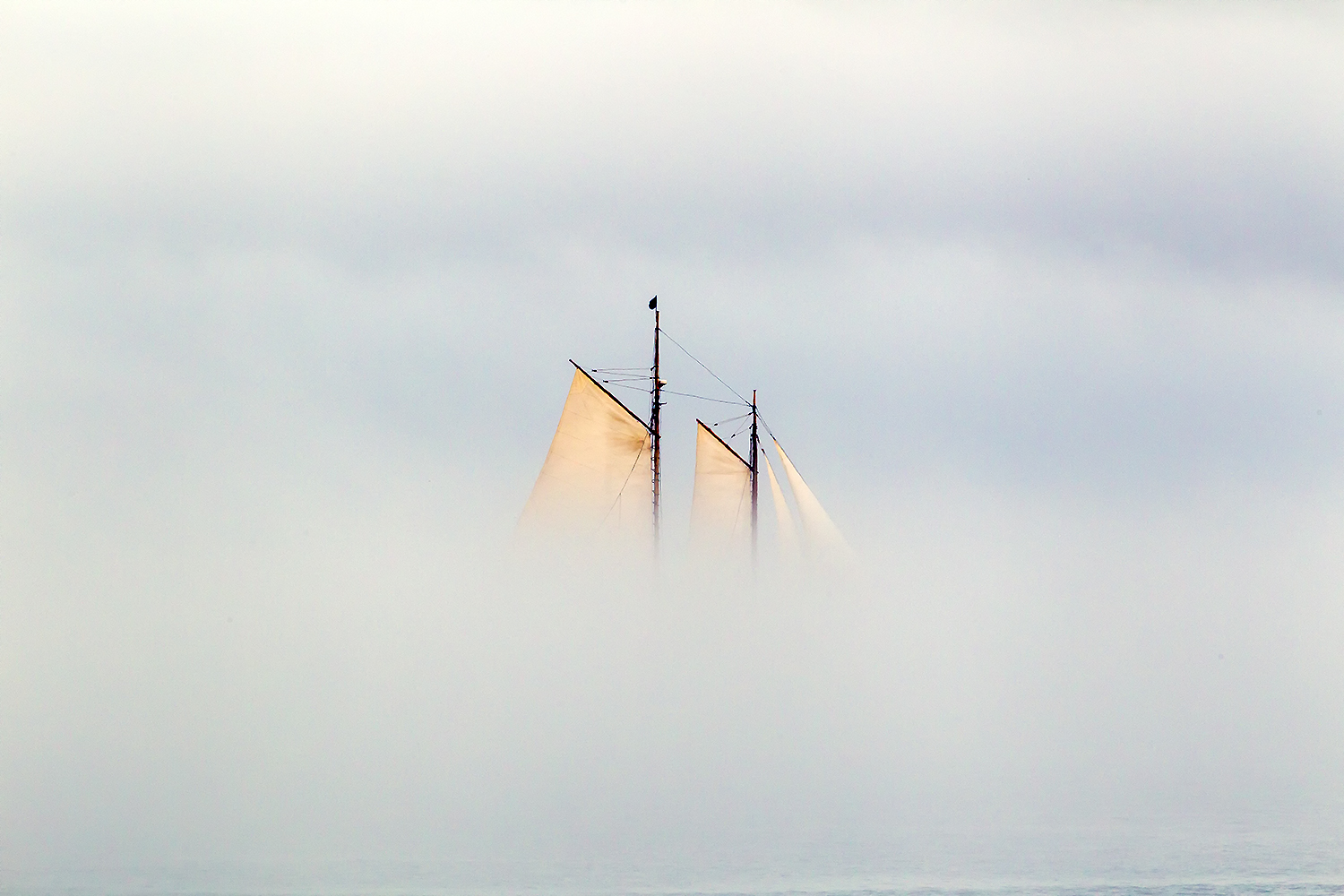
Days became weeks.
The ocean does not measure time the way land does. There are no church bells, no field boundaries, no familiar markers to count against. Only horizon. Only weather.
Rations were controlled carefully. Fresh water soured quickly in casks. Bread hardened. Salted meat lasted longer than comfort. Illness moved easily through close quarters. A cough in one corner of the hold did not remain there.
The ship spoke constantly — timber flexing, rope tightening, hull striking waves in uneven rhythm. At night, the sound could feel larger than the vessel itself.
Storms did not always arrive as catastrophe. Often they came as long, exhausting strain — wind pushing without pause, sails reefed tight, men bracing in silence while the deck pitched beneath them.
This was not conquest. It was endurance.
A frontier is not first defined by what waits on the other side. It is defined by what must be endured to reach it.
First Sight of Massachusetts
Land did not arrive like a reward.
After weeks of water, Massachusetts presented itself in practical terms: a shoreline, mud underfoot, cold air moving through trees that looked older than anything the men had known back home. The settlement was not a city waiting with open arms. It was rough, unfinished, and thinly held against the wilderness behind it.
This is where the record matters, because the story is not a single landing but a sequence of placements. The early track of our line moves through Massachusetts towns that were still forming themselves: Cambridge, then Scituate, and later Concord.
Each move was a decision inside a larger uncertainty — closer to one community, farther from another, nearer to workable land, nearer to obligation. The colony did not offer clean beginnings. It offered a chance to start building, one hard placement at a time.
The Clearing
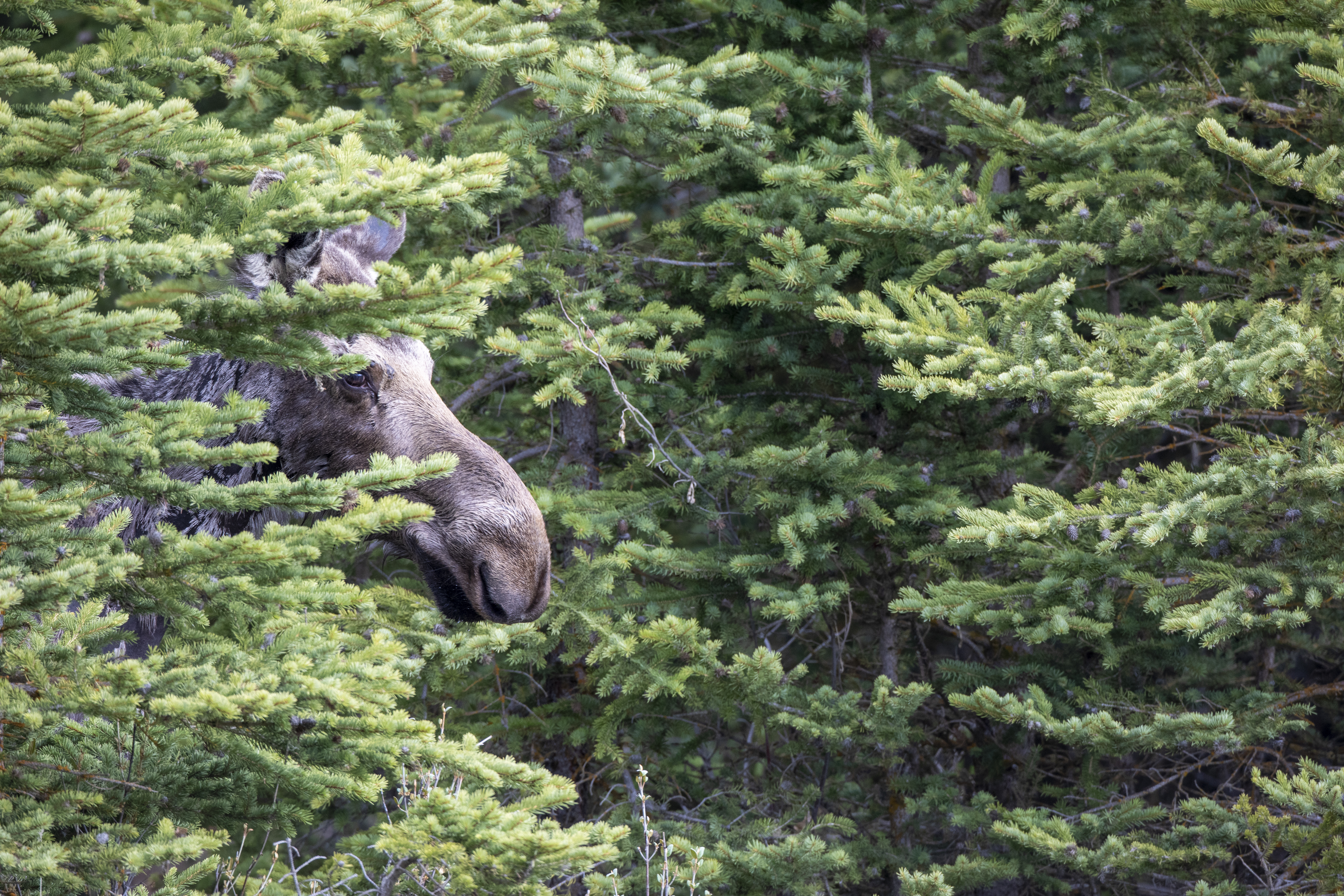
The ocean released them, but the forest did not welcome them.
Trees stood thick and unbroken. Roots gripped soil that had never known plow or boundary line. The land did not arrive as open field. It arrived as density.
Winter was not theoretical. It was approaching.
Timber had to be cut. Structures had to be raised quickly and without ornament. What began as shelter would later become homes, then meeting places, then town centers. But at first, it was simply survival under roof.
Order followed soon after. Land was measured and divided. Town meetings gathered men to decide boundaries, obligations, and shared responsibility. Militia requirements were not symbolic; defense was expected of every able household.
A settlement is more than walls. It is agreement. It is structure layered over uncertainty. It is rules written so that tomorrow has shape.
Boys, this is where something deeper than survival begins. A frontier is first endured. Then it is organized.
The First Pattern
The record tells us that Dolar Davis arrived in Massachusetts in 1634.
It places him in early Cambridge. It follows him to Scituate. Later, to Concord. The documents are spare — land transactions, civic placements, movements between forming towns. They do not describe his thoughts. They do not narrate his fears.
But they do show a pattern.
He did not come to conquer. He came to participate. To align himself with a structure being built from timber, agreement, and shared obligation. He placed himself inside a system and helped reinforce it.
The frontier was not simply land. It was organization layered onto uncertainty. It was the decision to build something that would outlast the first winter.
Boys, if you look closely, this is the first pattern in our line. Not spectacle. Not dominance. Structure.
From that clearing, the line continues.
Continue Reading
Frontiers is a historically grounded series written as a father speaking to his sons — carefully separating documented record, strong inference, family tradition, and open research.
About the Author
Robbie George is a National Geographic–published photographer, writer, and founder of the Signature Series — a body of work exploring how nature’s patterns shape art, biology, ecology, consciousness, and the cosmos. Frontiers is his historically grounded, father-to-sons narrative tracing a family line across four centuries.
His path includes a decade as an organic farmer on Divide Creek, early-stage ownership of HOTWORX studios, and a career in nature photography that took him from the Smithsonian to National Geographic. These “false summits” ultimately became the experiential backbone that led him to develop the Unified Field Theory known as The Grand Compression.
Robbie continues to explore the bridge between hydrogen, soil, water memory, light, and the living field through projects such as Nature Code, Quantum Vitality, and Quantum Agriculture. His fine-art prints and field essays are collected worldwide for their resonance, stillness, and deep sense of place.
“Every false summit taught me the pattern. Every collapse taught me recursion. I am living proof of the Grand Compression — a mountain that finally revealed its summit.”