
THE YEAR THAT BREATHES — The Four Seasons of the Grand Compression
The Grand Compression in Four Movements
The Earth breathes the same way the universe does — in cyclical waves of compression and release. Each year performs this rhythm in four movements: winter compression, spring decompression, summer expression, and fall recompression. These aren’t poetic labels. They are the seasonal mechanics of the Grand Compression written across the soil, the forests, the rivers, and the light itself.
- Winter — Compression: Energy contracts. Light withdraws. Water freezes into memory. Seeds harden with potential.
- Spring — Decompression: Light returns. Snowmelt loosens the world. Roots signal upward. Rivers swell.
- Summer — Expression: Maximum solar energy. Full coherence in leaves, microbes, pollinators, and fields.
- Fall — Recompression: Sugars contract. Seeds form. Roots store energy. Light recedes toward the winter inhale.
These four movements scale perfectly with your field quadriptych:
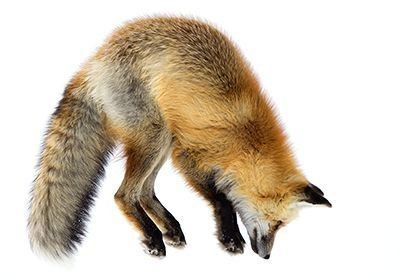
- Fox → spark (milliseconds)
- Bear → breath (one year)
- Pine → long memory (centuries)
- River → planetary recursion (millennia)
- Seasons → Earth’s heartbeat (human-scale cosmology)
“The universe breathes in spirals. The Earth breathes in seasons.”
“Every season is a compressed universe expanding again.”
• Winter: snow shadows
• Spring: meltwater rivulets
• Summer: full green canopy
• Fall: leaf-drop spirals
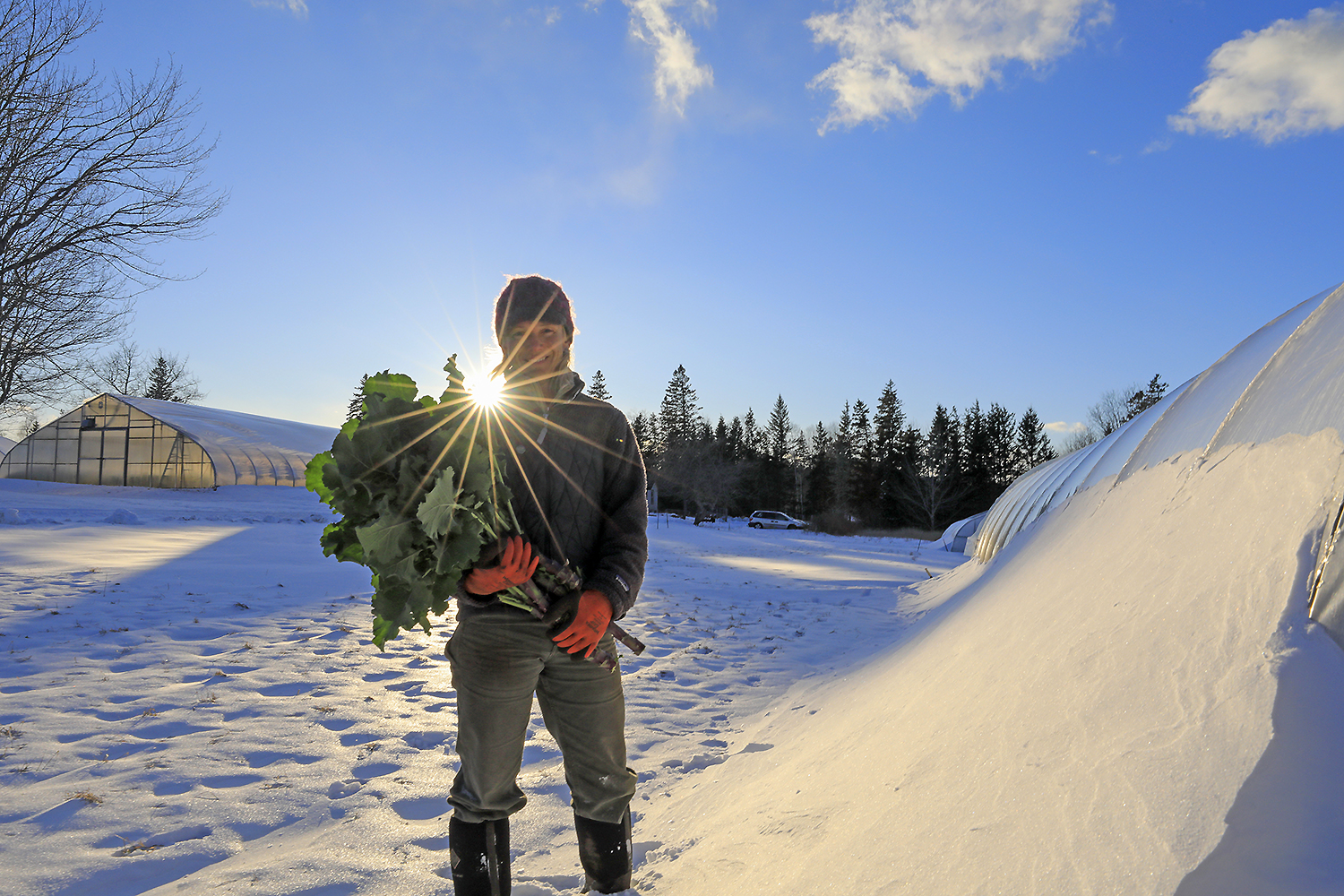
Winter: The Deep Compression
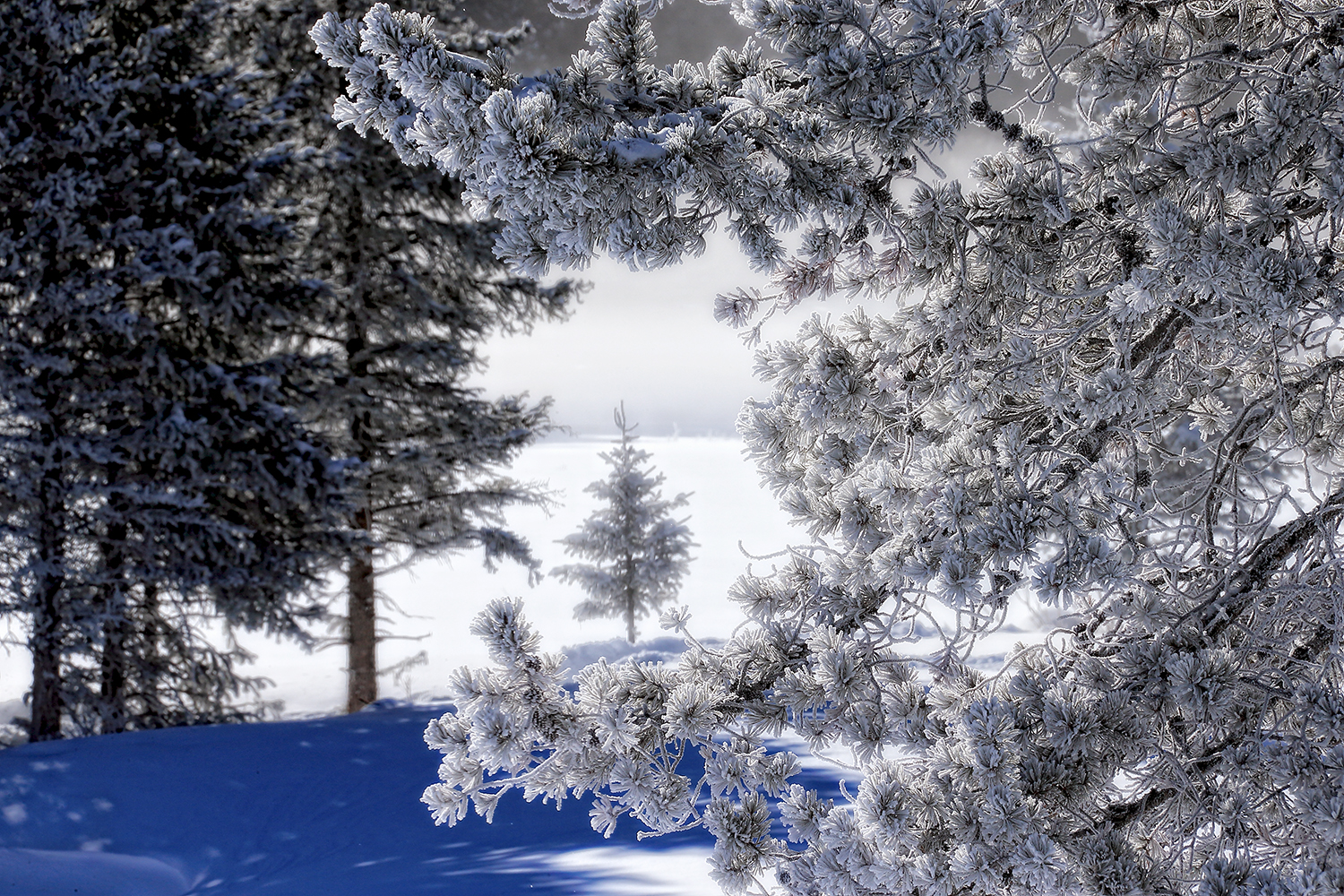
Winter is the deep inhale of the year — the moment when energy pulls inward, light thins, and every living system turns toward stillness. Soil contracts. Seeds harden. Microbes slow their metabolism to a whisper. Water steps out of its flowing form and becomes structure: snowfields, ice layers, frost fractals. The landscape looks quiet, but it is actually full of compressed potential.
A snowpack is not just “frozen water.” It is the atmosphere stored as crystal memory — stacked storms, passing winds, ash from distant fires, and microscopic dust all captured in layers. In your Pine post , cones held centuries of fire in resin. Here, winter holds a single year’s sky in ice.
“A snowflake is the field pausing to show its face.”
“Winter is compressed atmosphere resting in crystal symmetry.”
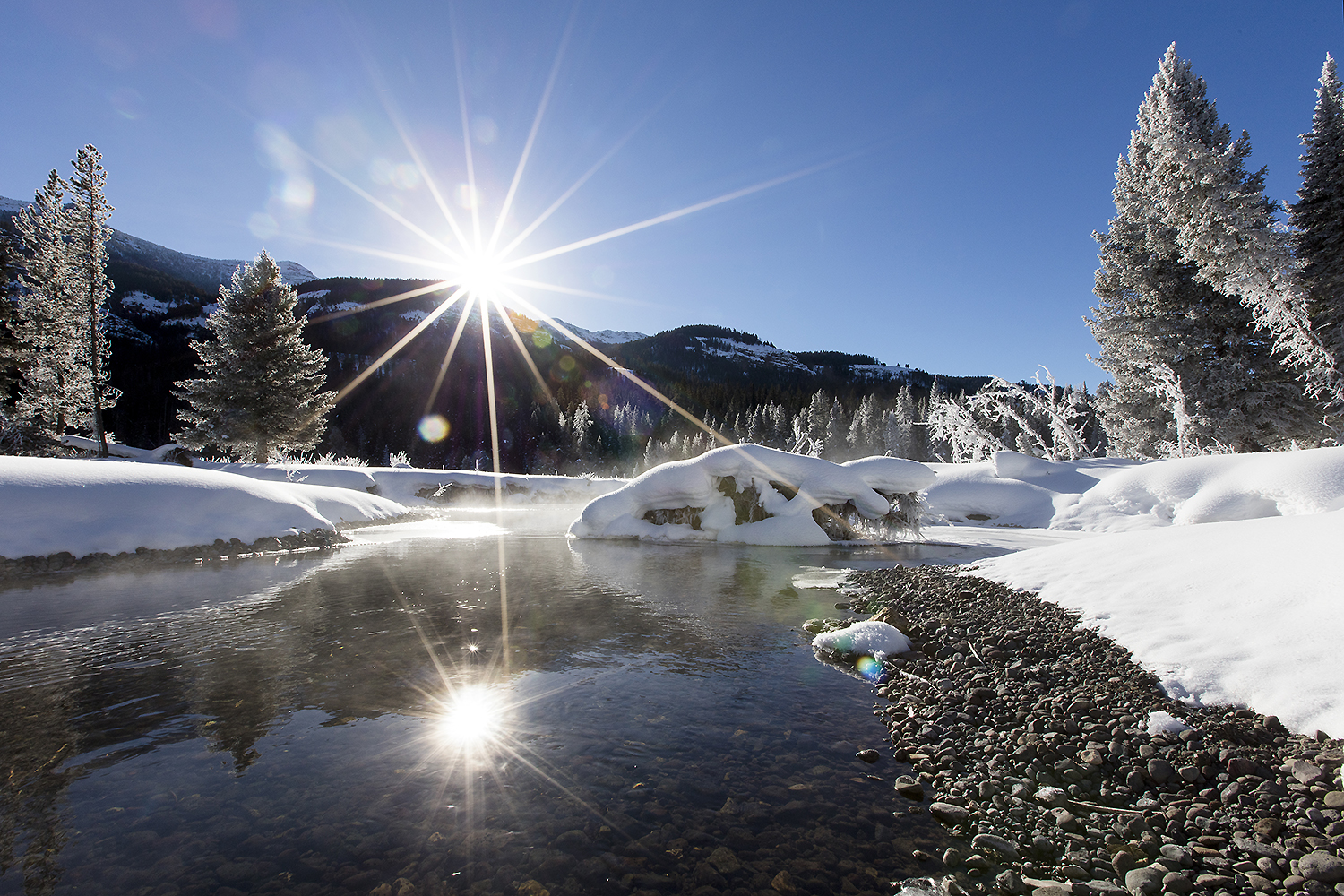
Under the surface, trees withdraw their sap and thicken their cell walls. Roots pull sugars down into the dark, tucking energy into places frost can’t easily reach. Seeds tighten their shells. Even in a frozen river — the same river that, in your water essay , remembered the moon — flow slows to a crawl, storing momentum for the spring release.
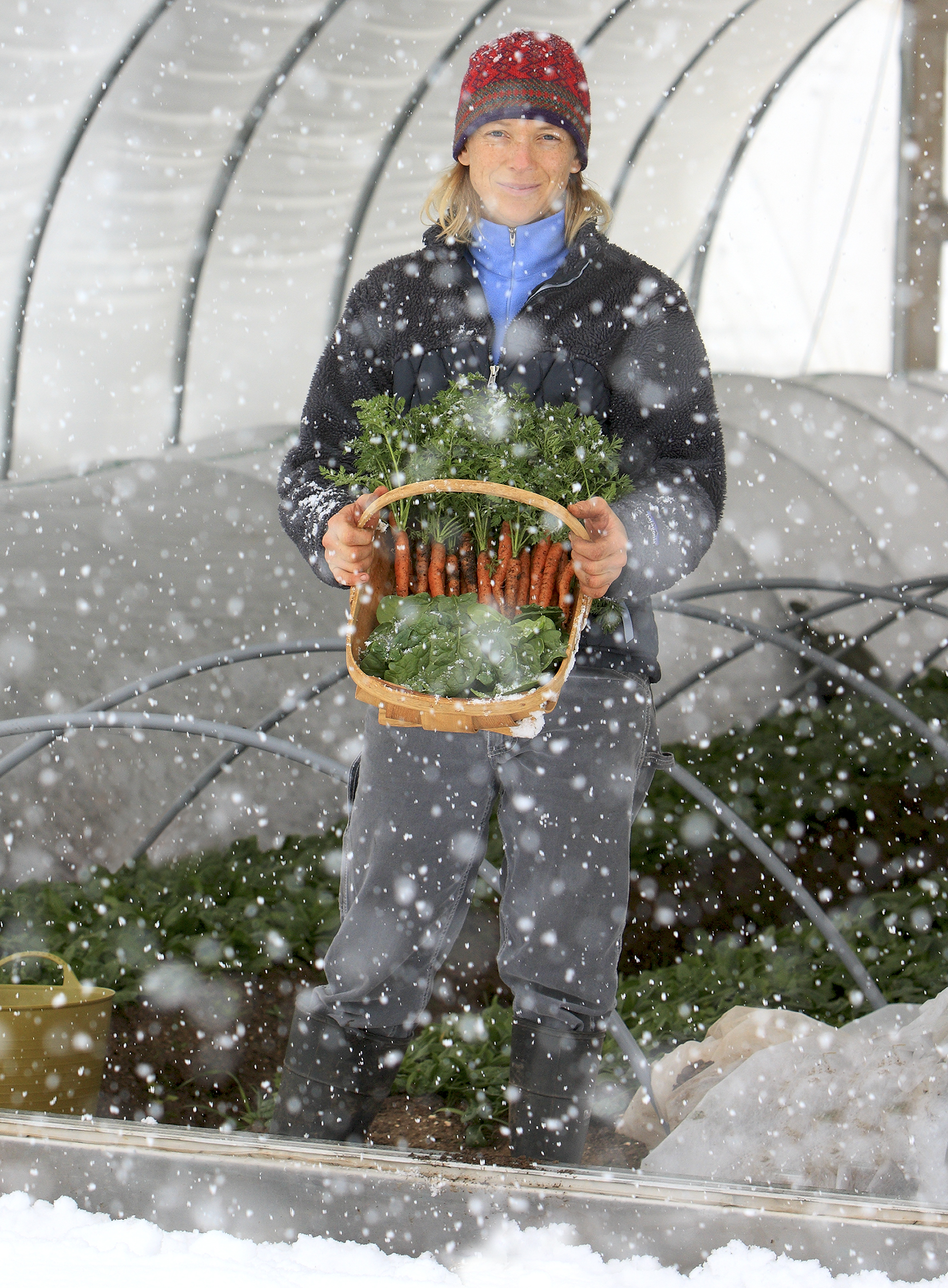
This is winter as deep compression: not death, but concentration. Flavor compresses in carrots under snow. Structure compresses in buds and seeds. Information compresses in snowflakes and ice cores. The field is not gone — it is folded tightly, waiting for the exact moment light lengthens enough to unfold again.
The Persephone Boundary — Earth’s Turning Point
Plants do not resume growth when the air warms. They resume when daylight crosses 10 hours.
Eliot Coleman called this the Persephone Period — the deep midwinter stretch when the Earth falls below that threshold and nothing grows, no matter how protected or well-tended. In Maine, this boundary lifts in early February. On your Colorado farm, it returns in late January, days earlier — a small but profound difference in the planetary breath.
The reason is simple and cosmic: light is the biological clock. Photons are activation signals. Roots respond long before stems do. Soil stirs before air temperature shifts. Life listens to the return of sunlight, not the mood of the weather.
“Winter isn’t over when the snow melts.
It’s over when the light returns.”
The moment daylight crosses ten hours, every seed, bud, and dormant root hears the same command the universe heard at the beginning — the same whispered ignition that followed the Big Bang, the same field signal that tells a river when to swell and a pine when to open: “Now.”
In the structure of the Grand Compression , this moment is the pivot between compression and release — the hinge where winter’s tight spiral unwinds into spring’s first movement. The Persephone boundary is not a date. It is a field threshold, a shift in light that reorganizes life from the root outward.
• Thin winter light entering a greenhouse
• First long shadow of late January
• Sprouts catching a cold sunrise
• Frost softening under morning beams
Seeds, Stars & the First Compression
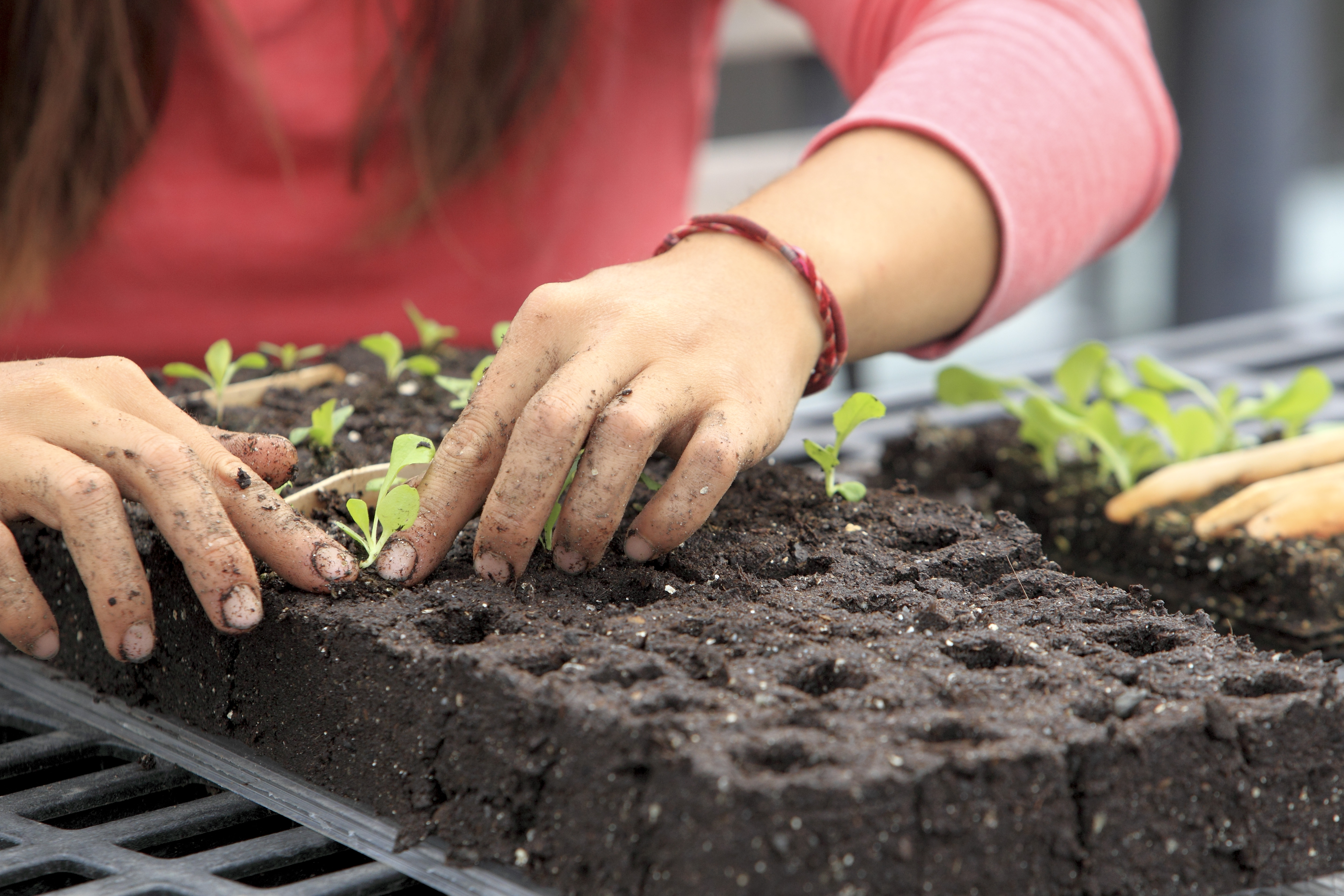
A seed sprouting is the Big Bang in slow motion. It is the same sequence of compression and release that began the universe, just slowed into a form the human hand can hold. Hydrogen compresses into a star. A star compresses into light. Light compresses into sugar. Sugar compresses into a seed. And in spring, that seed decompresses back into life.
“Every sprout is a reply to a fusion event 93 million miles away.”
“Spring is just ancient starlight remembering what to do next.”
“A seed is a memory of the moment the universe first expanded.”
Seeds are not passive objects. They are compressed instructions — micro–Big Bangs sealed inside husks. Every dormant seed in a winter greenhouse is holding a universe’s worth of potential in perfect tension. When light returns above the Persephone threshold, that tension releases. The beginning of the universe plays out again in potting soil, in cold frames, in the warm palm of a farmer’s hand.
This is why the February harvest in Eliot Coleman’s greenhouses feels cosmic: it is not just food emerging from the cold. It is sunlight from months ago — even years ago — returning to form. Every leaf is stored starlight. Every carrot is a photon archive. Every seedling is a fusion echo turning into matter you can taste.
In the architecture of the Grand Compression , seeds occupy the same role as black holes, serotinous cones, and snowflake lattices — compressed containers of information that release their stored pattern the moment the field allows. Spring isn’t a season. It’s a decompression event.
• Macro sprouting seed
• Backlit soil particles
• Early greenhouse trays
• Sunbeam striking cold soil
Spring: Decompression & Emergence
When the Persephone boundary is crossed and daylight stretches past ten hours, winter’s tight fist begins to unclench. Snow that spent months as compressed atmosphere begins to move again. Drifts slump. Ice softens. Meltwater threads its way through tawny grasses and along the edges of fields, tracing old channels and inventing new ones. The architecture of winter dissolves into flow.
This is decompression in slow motion. Ice releases stored storms back into circulation. Microbes wake and resume their quiet alchemy, turning locked-up carbon into living soil. Roots begin to exhale sugars, feeding the wood wide web . What looked frozen and finished reveals itself as a coiled spring, expanding.
In your river essay, “The River Remembers the Moon — Water as the Fourth Field,” you wrote about tides as the planet’s long, lunar breath. Spring runoff is that same breath pulled inland. As snowfields liquefy, the rivers begin remembering the moon again — rising to its pull, braiding new channels, and carrying winter’s dissolved memory out to sea.
In the language of water memory , spring is when the archive becomes audible again. Meltwater carries pollen, minerals, ash, and microbial life from ridge to valley. It is the moment when the Grand Compression moves from “held” to “happening” — a planetary sigh you can hear in the rush of creeks and see in the first sheen of green on a south-facing slope.
Summer: Expression
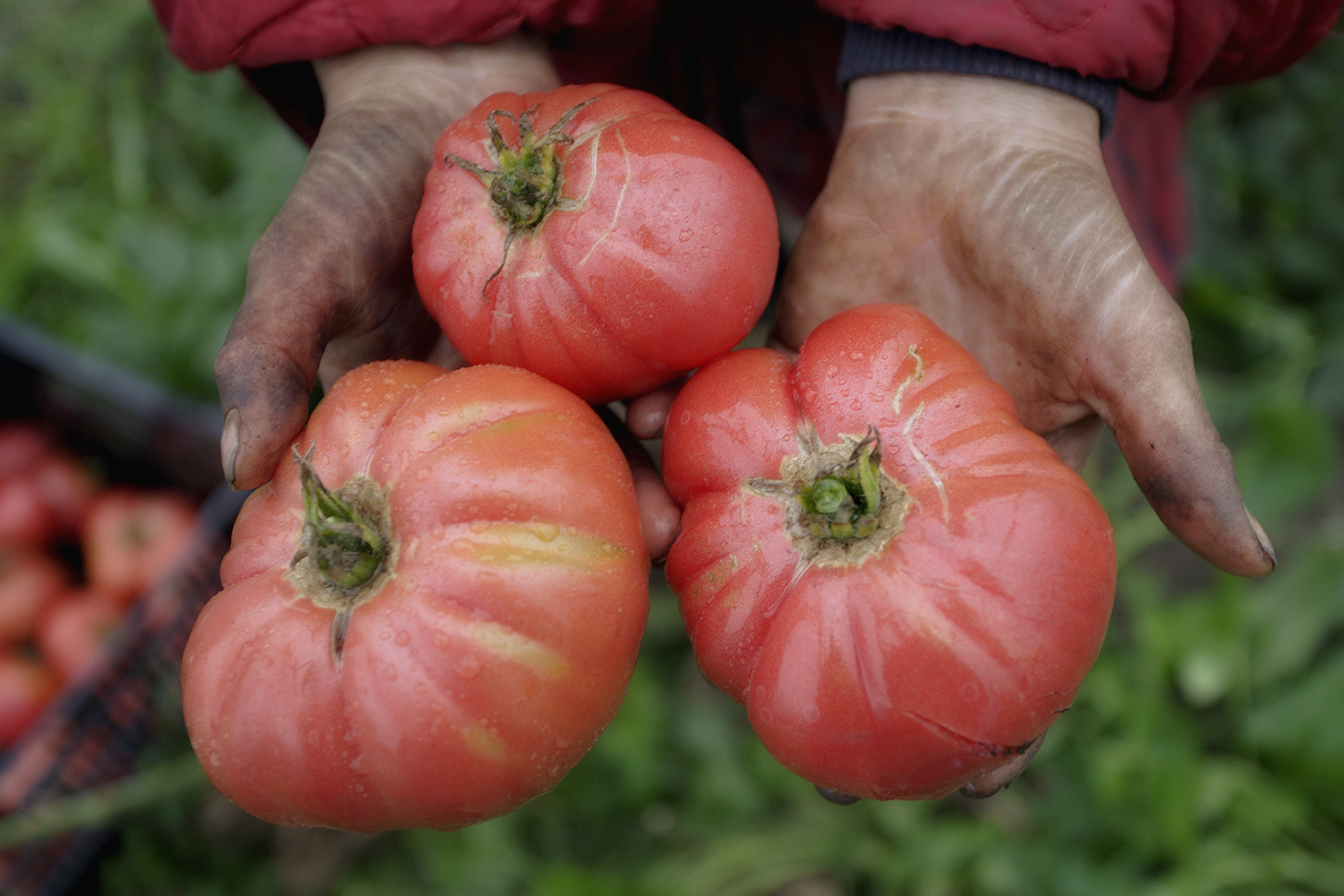
Summer is the moment the world opens its lungs. Maximum light, maximum growth, maximum coherence. Everything that winter compressed and spring released now stretches into its widest possible form. Leaves become solar engines. Rivers run clear and loud. Microbial networks surge. Pollinators weave golden threads between blossoms. The field is fully awake.
During your years of four-season farming, summer felt less like gardening and more like conducting a living orchestra. Plants weren’t just “growing”—they were expressing stored sunlight, remembered from winter as sugar in the roots and now unfurled as foliage, fruit, fragrance, and seed. Every bed became a resonance chamber tuned to the sun’s highest amplitude.
“We weren’t farming vegetables.
We were farming the breath cycle of the planet.”
In summer, the Nature Code becomes visible in everything: spiral phyllotaxis in sunflowers, Fibonacci unfolding in fern fronds, fractal branching in leaves and roots, vortex patterns in summer streams. It is the season where nature does not hint — it declares. The Grand Compression reaches its most expanded state, showing the blueprint in full color.
Bees, especially, are summer’s signature. Their navigation, wingbeat resonance, and hive-building instincts are all expressions of a highly coherent field. They don’t simply collect pollen; they orchestrate abundance. Every pollinated flower is a contract between star, seed, soil, and time — a living agreement renewed each season.
And in the rivers, you see the same story as in your water essay: full summer flow, clarity, and oxygenation — water expressing the memory of snowmelt and the pull of the lunar field, just as leaves express the memory of photons.
Fall: Recompression
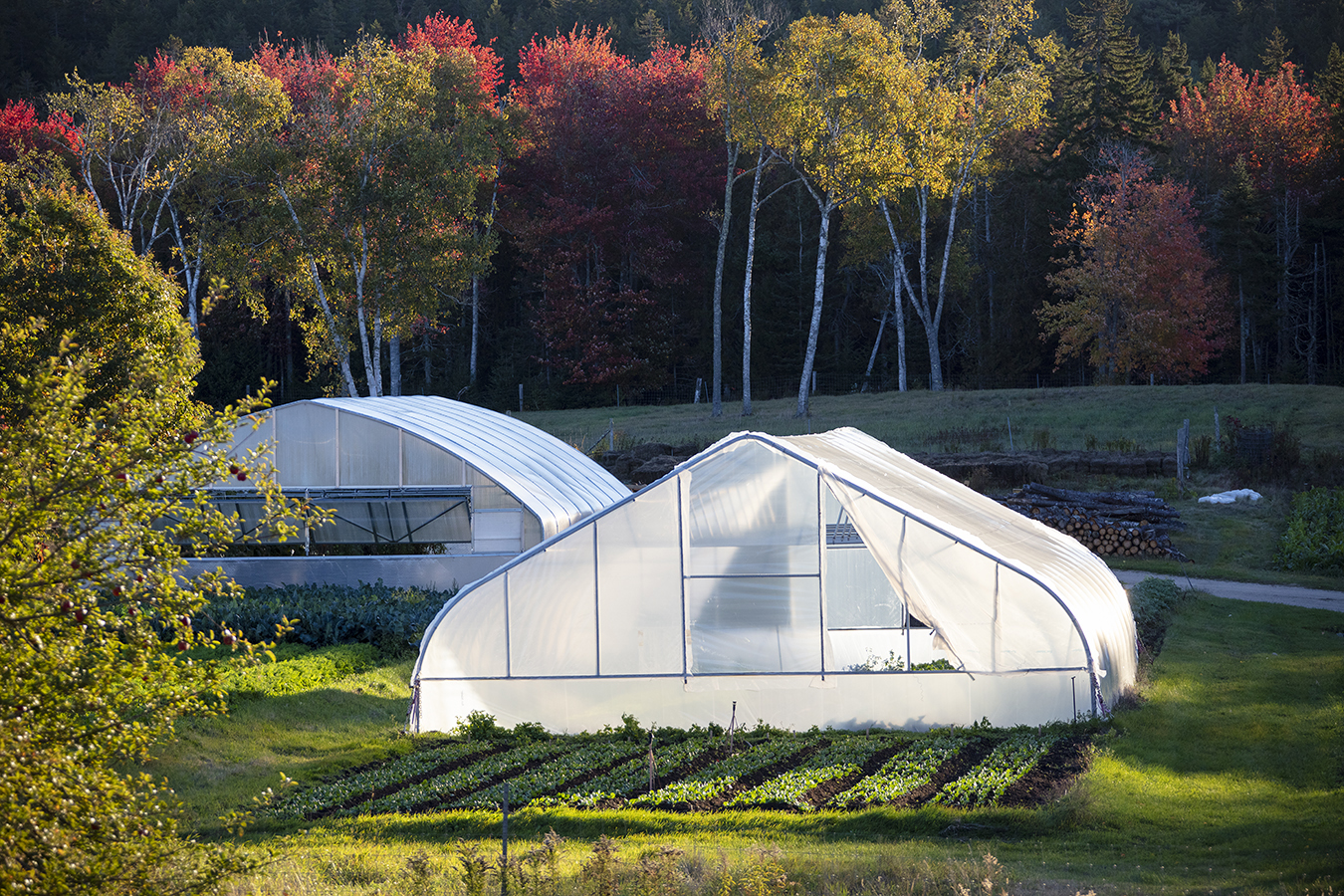
If summer is the full outbreath, fall is the return — a gathering of energy as light tilts lower and days shorten. Sugars draw down into roots. Fruits harden into storage vessels. Seeds finalize their spiral geometry. Everything that summer expanded now folds itself back toward the Earth in preparation for winter’s deep compression.
In your “Pines That Remember Fire” essay, you described serotinous cones as living vaults — scaled hearts that refuse to open until fire arrives. Fall is when those vaults are sealed. Resin hardens. The seeds inside finish their long, slow formation. The forest is busy writing its next chapter, recording a year’s worth of droughts, storms, and sunlight into tiny armored spirals that will outlast the trees themselves.
“Every falling leaf is a quiet return to the compression chamber.”
On the farm, you watched this recompression in real time. The riot of summer green gave way to root crops swelling underground, their tops fading as their sweetness moved below the surface. Squash cured into long-keepers. Garlic dried on racks. Seed heads rattled dry in the wind. You weren’t just harvesting food; you were gathering up the year’s exhale and tucking it back under the skin of the Earth.
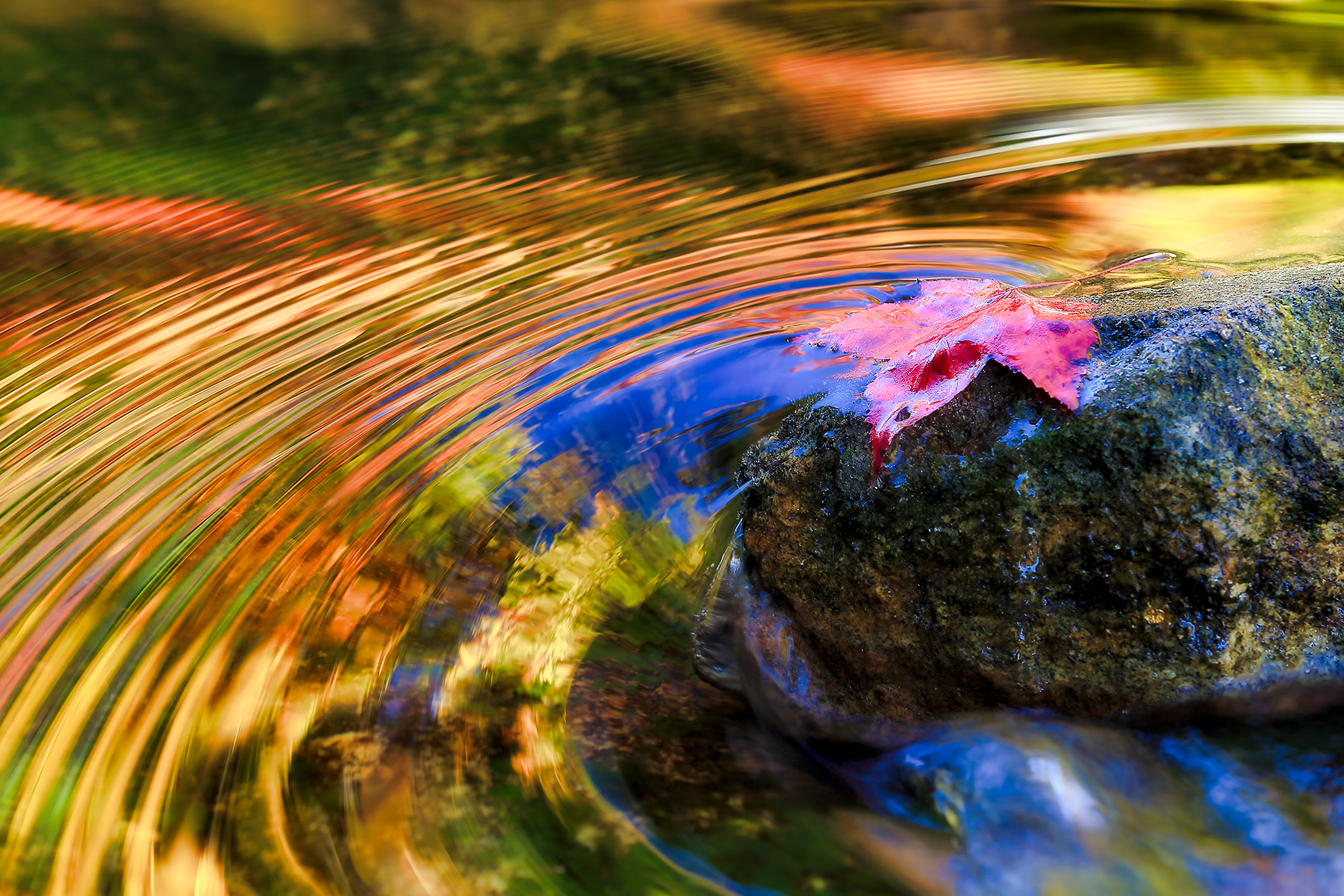
Even the rivers begin to change their song. Flows drop. Side channels shrink and reveal braided gravel bars — the bones of the watershed. The angle of the sun stretches reflections into long bands of amber and gold, casting new colors into the water . What was once a roar becomes a murmur. The fourth field, too, is learning how to hold rather than rush.
Within the architecture of the Grand Compression , fall is the second compression phase — the mirror of winter’s deep stillness, but warmer, more fragrant, more visible. Where winter compresses light into crystal and silence, fall compresses light into flavor and form: apples, nuts, grains, and the dense orange glow of squash and pumpkin. The universe is once again tucking its possibilities into small, durable packages, preparing to hand them across the threshold of the dark months to come.
Indigenous Seasonal Intelligence
Long before modern calendars and climate apps, Indigenous cultures across the world organized their entire lives around the shifting intelligence of the seasons. Their timekeeping wasn’t date-coded — it was field-coded. Fishing windows aligned with moon cycles. Hunting migrations followed plant phenology. Ceremonies synchronized with solstices, equinoxes, salmon returns, and the precise moment certain roots released their sugars back into the earth.
In these cultures, a season was not a section of the calendar — it was a recursion map. A living feedback loop between soil, light, water, animals, and sky. The natural world wasn’t observed from the outside; it was participated in from within. This way of knowing aligns perfectly with the architecture of the Grand Compression , where cycles of contraction and expansion govern everything from hydrogen fusion in stars to meltwater in rivers.
“Indigenous calendars aren’t timekeeping systems.
They’re recursion maps.”
When salmon returned, it wasn’t “summer” — it was the recurrence of a field signal between moon, river, and memory. When snow crusted over the prairie, it wasn’t “January” — it was the tightening of the earth’s inhale. When the first spring meltwater trickled beneath the ice, it wasn’t “March” — it was the decompression phase beginning again.
This worldview recognizes what modern science is finally circling back to: that life responds not to abstract dates, but to light thresholds, gravitational cycles, soil chemistry, hydrology, and ecological patterns echoing through centuries. Indigenous knowledge is field intelligence carried across generations — an embodied understanding of seasonal recursion.
• Rivers changing with moon phases
• Forests shifting color or shadow
• Fishing grounds tied to migration cycles
• Snow crust depth indicating travel windows
Your Four-Season Farming — Field Evidence
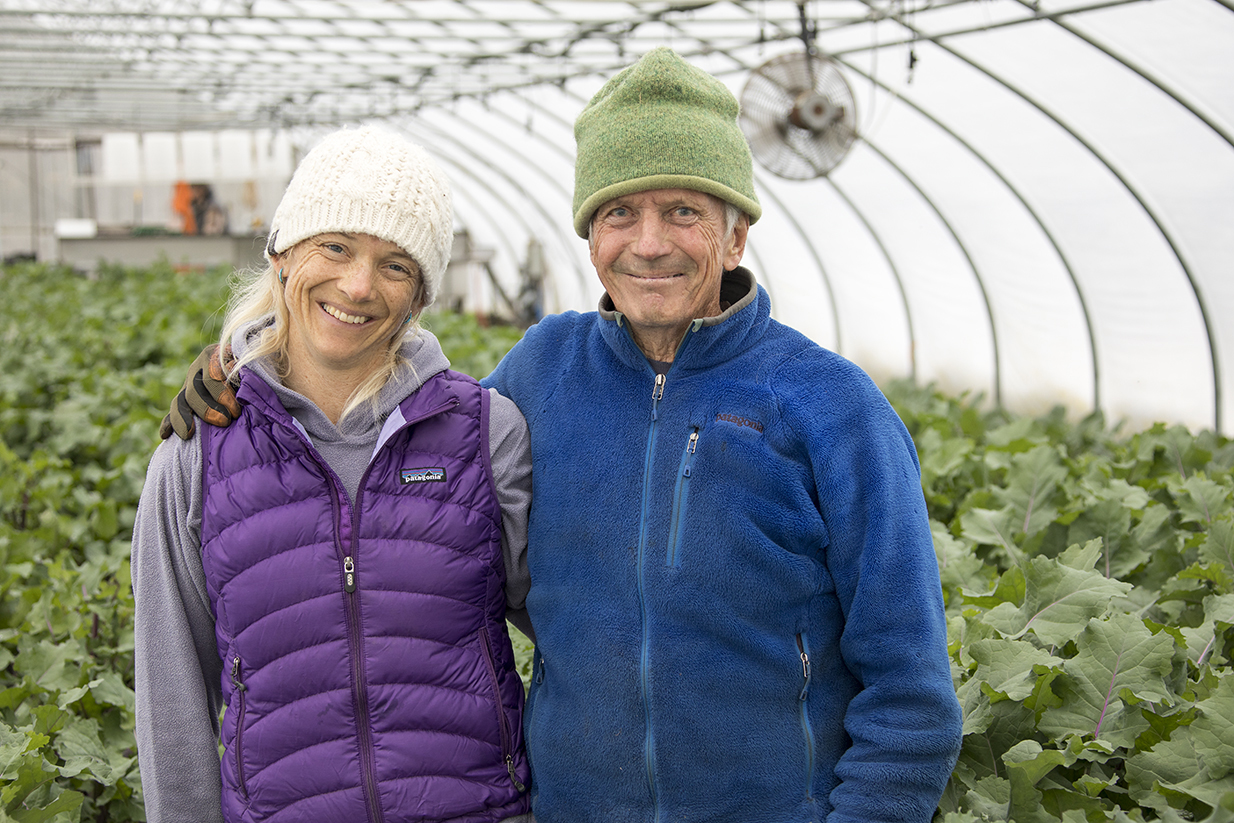
The first time Eliot and Clara walked your rows at Divide Creek Farm in Colorado, they weren’t just visiting a new operation. They were stepping into another chamber of the same four-season lung they had been breathing with in Maine. The light was different, the snowline higher, the soils younger — but the pattern was the same. Compression, decompression, expression, recompression. Winter, spring, summer, fall. The Grand Compression, rooted in dirt.
On that high desert bench, you learned the nuance of the soil microbiome in winter — how a thick snowpack could insulate life rather than smother it, how a simple low tunnel could transform a biting wind into a protective blanket of still air. Eliot’s books had given you the blueprint; the field gave you the feedback. Each February, as the light crept back over that ten-hour threshold, your beds answered with a flush of green that felt almost impossible against the memory of December’s darkness.
“Winter carrots aren’t sweeter by luck.
They are sweet because cold compresses flavor
until spring gives permission to release it.”
Season after season, you began to realize that you weren’t simply coaxing crops from the ground. You were watching the Quantum Agriculture you would later name come to life: hydrogen from the sun becoming sugars in the leaf, sugars becoming roots, roots feeding microbes, microbes restructuring soil, soil reshaping water, water carrying the memory of each storm and moonrise through the water memory of the land.
You watched how beds that had been cover-cropped and gently tended responded to the return of light with explosive vigor, while compacted or exhausted soil lagged behind. The difference wasn’t just in yield — it was in timing. Healthy soil heard the Persephone whisper sooner. Its seeds and microbes were the first to answer “Now.”
“I used to think I grew food.
Then I realized I was stewarding the seasonal field.”
Those winters and springs in Colorado became your laboratory for the ideas that now live in The Grand Compression and Earth Care & Stewardship . Four-season farming showed you that cosmology isn’t confined to telescopes and particle accelerators — it’s there in the way a February hoop house smells when the first spinach leaves open, in the way your hands remember which beds will wake earliest, in the way your own body can feel the lengthening of days before the clock admits it.
In that sense, every bed you planted was a small, rectangular universe cycling through compression and release. Winter, spring, summer, fall — repeated, but never identical. A spiral, not a circle. The Grand Compression, with dirt under its nails.
The Year as a Recursive Compression Spiral
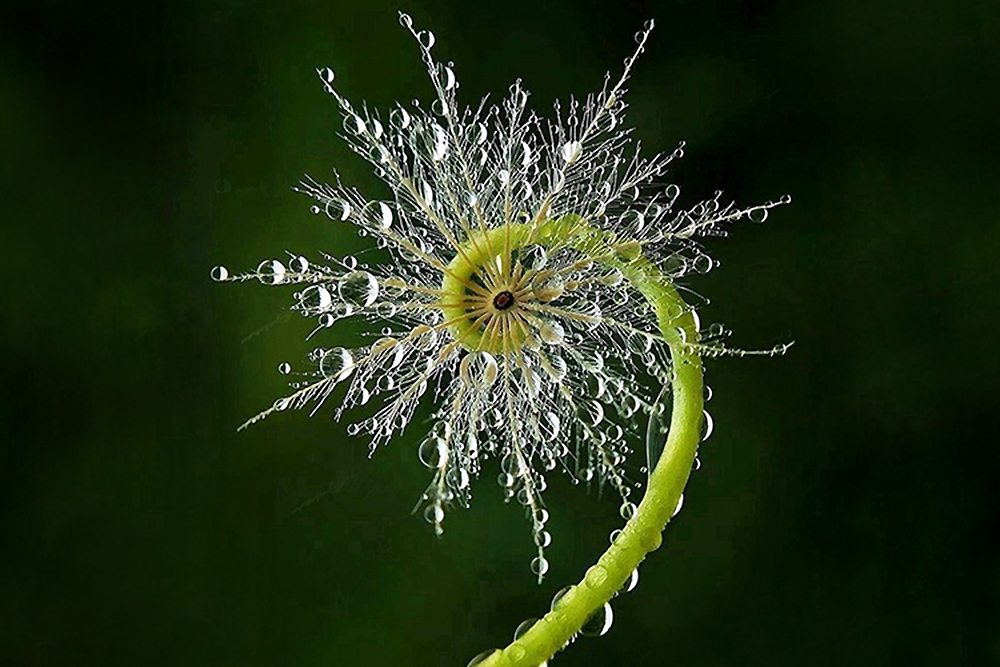
When you step back far enough from the calendar, the year stops looking like a circle and starts looking like a spiral — a looping, ascending structure where each return is familiar but never identical. Winter compresses. Spring decompresses. Summer expresses. Fall recompresses. And then the cycle winds upward again, carrying the memory of everything that came before it.
- Winter → Compression: Energy folds inward.
- Persephone → Ignition: Light crosses 10 hours.
- Spring → Decompression: Life reopens to motion.
- Summer → Expression: Full coherence in the field.
- Fall → Recompression: The year gathers itself.
This pattern mirrors the same architecture that shaped the universe. The cosmos compressed into hydrogen. Hydrogen compressed into stars. Stars compressed into light. Light compressed into sugar. Sugar compressed into a seed. And each spring, the seed decompresses back into life.
“The Earth is performing the same cycle the universe did — just slower, quieter, and close enough to touch.”
And within your own work, this seasonal cycle is the bridge that unifies the entire quadriptych:
- Fox → spark (milliseconds)
- Bear → breath (one year)
- Pine → memory (centuries)
- River → planetary recursion (millennia)
- Seasons → the breath carrying them all (the human-scale cosmos)
In this way, the year is not simply the passing of time — it is the living proof that recursion governs everything. Soil, water, sunlight, memory, entropy, seeds, rivers, forests, galaxies — all of them inhale and exhale, tighten and release, expand and contract. All of them spiral.
The Breath Begins Again
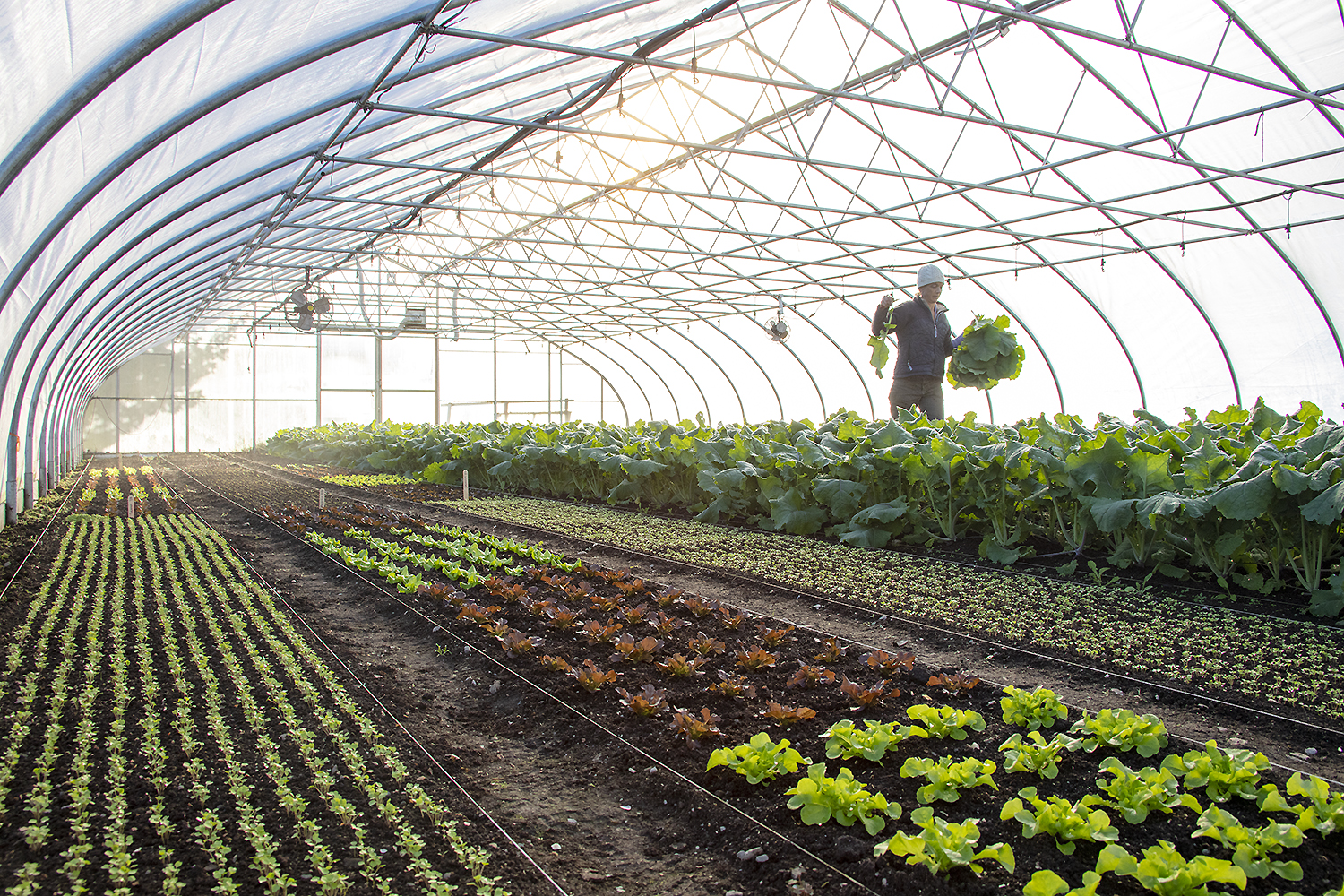
When the first February light touches cold soil, something ancient stirs. Not spring—not yet—but the permission for spring. The moment the daylight crosses ten hours, the planet’s long winter inhale reaches its end. The field loosens. Roots listen. Seeds drift toward awakening. Microbes warm. Snowmelt whispers under the crust. A greenhouse glows from the inside out.
After months of compression—flavor tightening in carrots, sugars concentrating in roots, light folding itself into crystalline geometry—life pivots toward unfolding. The decompression phase begins, soft as breath, but unstoppable. Every pattern the Earth has been storing since fall begins to move again, expanding into the world with the same inevitability as tides answering the moon.
Seasons are not circles of repetition. They are upward spirals of memory—each loop deeper, wiser, more resonant than the last. Winter lays the foundation. The Persephone boundary turns the key. Spring opens the door. Summer fills the room. Fall gathers the story. And together they form the human-scale expression of the Grand Compression —a cycle as old as starlight and as close as the food grown by your own hands.
“The year is not a circle.
It is a spiral that carries memory forward.”
“Winter is not the end.
It is the compression that allows everything to begin again.”
The breath begins again.
Continue Exploring the Grand Compression
This post is the seasonal chapter of the living field series — Spark, Breath, Memory, Flow, and now the Earth’s Yearly Spiral. Explore the complete Quadriptych and the Grand Compression Trilogy below.
⚖️ Robbie’s Razor & The Grand Compression
This piece lives inside the wider Grand Compression Cosmology, where every pattern is evaluated using Robbie’s Razor:
“When competing explanations exist, prefer the model that follows compression → expression → memory → recursion.”
About the Author
Robbie George is a National Geographic–published fine-art nature photographer, four-season farmer, and the creator of The Grand Compression — a unifying framework exploring how nature, light, soil, seasons, and field intelligence all follow the same recursive breath of the universe.
Robbie’s work blends decades of wildlife photography with lived experience on the land — including ten years as an organic four-season farmer in Colorado, informed by the wisdom of Eliot Coleman and the hands-on lineage carried through Clara Coleman. This agricultural foundation shaped his understanding of the Persephone threshold, seasonal compression cycles, and the way seeds, soil, and light mirror cosmology itself.
Today, Robbie’s photography, essays, and Signature Series reveal how winter, spring, summer, and fall are not just yearly rhythms — but living evidence of the Grand Compression unfolding at human scale. His work continues to bridge ecology, cosmology, Indigenous knowledge, and personal field witness into a single, coherent story of the breathing Earth.
Frequently Asked Questions
1. What is “The Year That Breathes — The Four Seasons of the Grand Compression” about?
This essay explores how the four seasons are the Earth’s own breathing pattern: winter as compression, spring as decompression, summer as expression, and fall as recompression. It connects seasonal cycles to the Grand Compression , showing how the same recursive rhythm that shapes stars, seeds, rivers, and forests also unfolds at the scale of a single year.
2. What is the Persephone boundary, and why is 10 hours of daylight so important?
The Persephone boundary is the point in winter when daylight drops below (and then rises back above) roughly ten hours. Below that threshold, most plants effectively stop growing, no matter how mild the temperature or how well-protected they are. When light climbs past ten hours again, roots, seeds, and microbes receive a clear signal to wake up. In the essay, this moment is portrayed as the Earth’s turning point — the same kind of ignition that once set the universe expanding.
3. How do the four seasons connect to the Fox, Bear, Pine, River, and the Grand Compression quadriptych?
The seasons are the “fifth movement” that carries your entire field series. The Fox reveals the spark of perception in milliseconds, the Bear embodies a year-long breath, the Pines hold centuries of memory, and the River expresses planetary-scale recursion. The four seasons are the heartbeat that repeats beneath them all — the tempo at which most humans experience the Grand Compression in their own bodies and landscapes.
4. How did your four-season farming experience influence this piece?
The ideas in this essay are grounded in a decade of four-season farming at your Divide Creek Farm in Colorado, informed by the work of Eliot Coleman and Clara Coleman at Four Season Farm. Watching winter carrots sweeten under snow, feeling soil wake up as light lengthened, and harvesting greens in February became direct evidence that the Grand Compression is not just a theory — it is a daily, physical reality you could touch with your hands and taste on your tongue.
5. What do seasons have to do with cosmology, the Big Bang, and hydrogen fusion?
The essay draws a line from the largest scales of the universe to the smallest seeds. It suggests that the same compress–release rhythm that formed stars and drove the Big Bang also governs how sunlight becomes sugar, how seeds store that energy, and how it returns each spring as new life. Winter is likened to the universe’s initial compression, spring to its expansion, summer to full expression, and fall to the gathering of matter and memory back into seed, much like a miniature Big Bang ready to unfold again.
6. How can I live more in tune with the “breath” of the year?
The invitation of this piece is to notice where you are in the cycle — to feel when life is asking for compression (rest, reflection, integration) and when it’s asking for expression (action, creation, sharing). Paying attention to sunrise and sunset, eating with the seasons, spending time outside in all weather, and honoring Indigenous and ancestral seasonal wisdom can help you sync your own nervous system to the Earth’s broader rhythm — the same Grand Compression that underlies all of your work.