🌿 Explore the World of Fine Art Prints: Expert Insights on Quality, Materials, and Techniques
Fine Art Print Knowledge
🌿 Explore the World of Fine Art Prints: Expert Insights on Quality, Materials, and Techniques
This page is the central print knowledge hub for collectors, decorators, and art buyers who want to understand the differences between giclée, metal, canvas, acrylic, wood, and framed fine-art presentation. It is designed to help you make confident decisions about materials, size, display, and long-term care.
Rather than treating fine art prints as a single category, this guide breaks down how each surface changes the experience of an image through light, texture, depth, glare, and presence in a room. The goal is to help you match the right format to the right image and the right environment.
Fine art prints are high-quality photographic reproductions created using archival materials and professional printing techniques. Unlike standard prints, they are designed to preserve detail, color accuracy, and tonal range over time while presenting the image in a way that suits both the subject and the space it lives in.
The choice of material—whether giclée paper, metal, canvas, acrylic, or wood—directly affects how the image interacts with light, texture, depth, and the surrounding environment.
Why Materials Matter
The same photograph can feel completely different depending on the surface it is printed on. A misty forest scene may benefit from the softness of paper or canvas, while a high-contrast mountain landscape may come alive on metal or acrylic. Choosing the right material is about matching the image to the environment where it will be displayed.
Core Print Formats
Giclée (Fine-Art Paper)
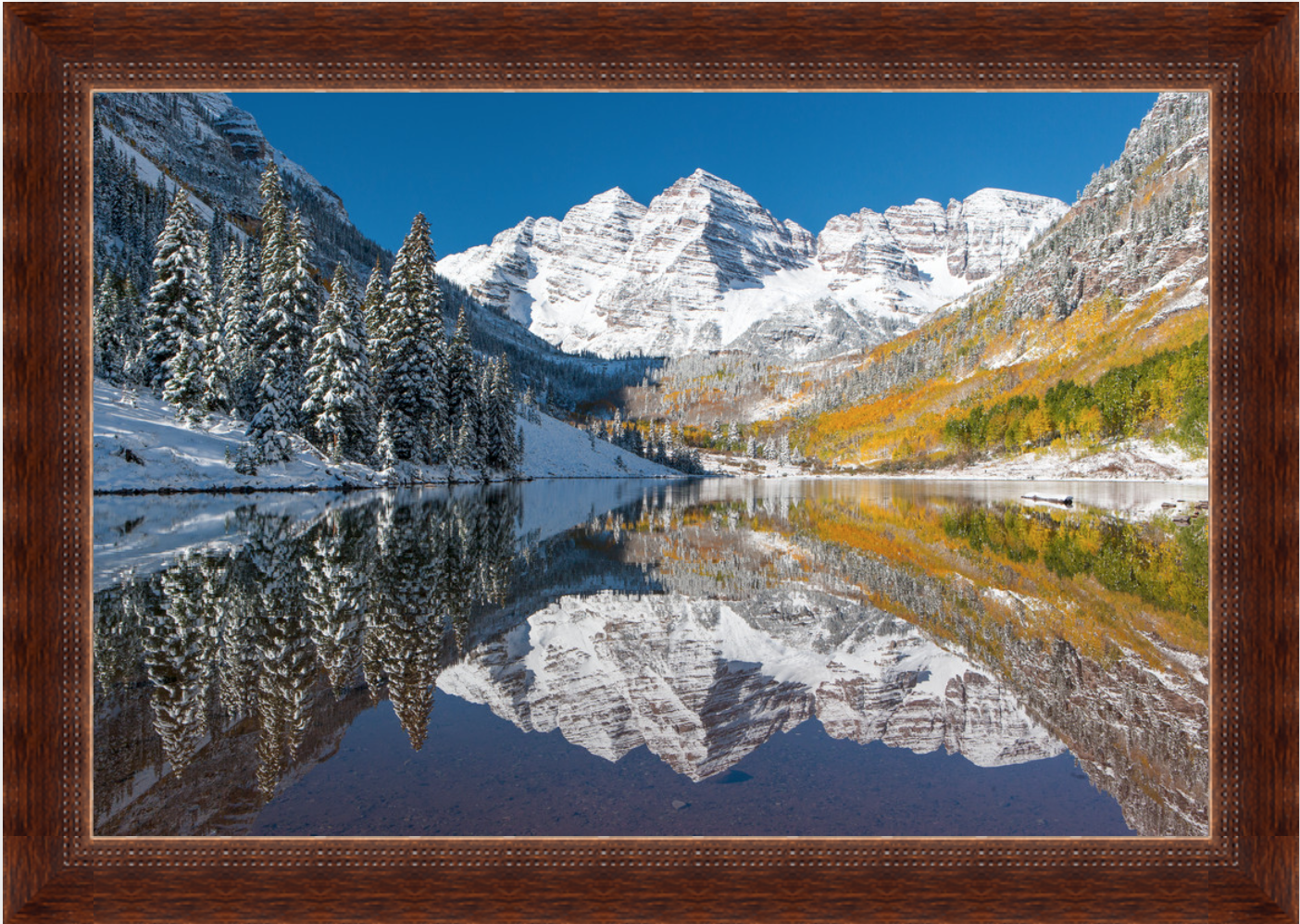
Archival paper prints known for subtle tone, detail, and museum-quality presentation—especially when framed with proper glazing.
Metal Prints
Clean, modern presentation with strong color and durability. Works well for bold landscapes and contemporary spaces.
Canvas Prints
Soft texture and painterly feel. Ideal for warm, relaxed environments where glare reduction and subtlety matter.
Acrylic Prints
High-gloss, luminous finish with strong depth. Ideal for vibrant scenes and modern interiors.
Wood Prints
Natural grain and organic character. Best suited for rustic or nature-inspired spaces.
Not sure which format is right for your space? Visit the Collectors Hub for step-by-step guidance, or use the Print Size & PPI Advisor to begin narrowing down your options.
Quick Picks: Choosing the Right Print
If you’re unsure where to start, use these quick guides to match your space, lighting, and style with the right print format. These are not rules—just proven starting points based on how different materials behave in real environments.
Once you narrow it down, you can refine your decision using the Collectors Hub and preview tools.
Bright Rooms
Choose metal (satin) or framed giclée with museum glass to control glare and maintain clarity in high-light environments.
Soft / Low Light Spaces
Canvas or fine-art paper enhances subtle tones and avoids reflections, making them ideal for calm, intimate spaces.
Modern Interiors
Acrylic and metal provide clean lines, depth, and color impact that pair well with contemporary design.
Natural / Organic Spaces
Canvas, wood, and framed paper complement natural textures and create a more grounded, organic feel.
Bold Statement Pieces
Acrylic or gloss metal amplifies color, contrast, and presence—ideal for focal walls and larger spaces.
Classic / Timeless Look
Framed giclée prints offer a museum-quality presentation that works across a wide range of spaces and styles.
Each print material changes the way a photograph is experienced. Surface, reflectivity, texture, depth, and framing all influence how the image feels in a room and how it holds attention over time.
Use the comparisons below to understand how the main print formats differ in appearance, mood, durability, and ideal placement.
Giclée Prints on Fine-Art Paper
Giclée prints are often the most refined and museum-oriented presentation option. Printed on archival fine-art papers, they are known for subtle tonal range, rich detail, and an elegant surface quality that works especially well for nature photography, wildlife, and atmospheric landscapes.
They are an excellent choice when you want the image to feel quiet, timeless, and highly considered. Framing plays a major role here—matting, glazing, and frame style all affect the final experience.
Best for: museum-style presentation, subtle tones, timeless interiors
Considerations: requires framing for finished display and protection
Metal Prints
Metal prints offer a clean, modern presentation with excellent durability and strong visual impact. They tend to produce rich color, crisp contrast, and a contemporary edge that works especially well in bold landscapes, high-clarity wildlife portraits, and dramatic natural scenes.
They are easy to maintain and often work well in active spaces, offices, and brighter rooms. Finish matters: satin surfaces can reduce glare, while gloss finishes increase vibrancy and punch.
Best for: modern interiors, vibrant landscapes, high-impact display
Strengths: durability, color intensity, clean presentation, easy care
Considerations: glare and reflectivity should be matched to room light
Canvas Gallery Wraps
Canvas prints bring softness, texture, and a more relaxed wall presence. They tend to feel warm and approachable, making them a natural fit for homes, softer interiors, and spaces where you want art to feel integrated rather than highly polished.
The surface texture can add character to certain scenes, especially landscapes, forests, and painterly compositions. They also reduce reflectivity compared to glossier finishes.
Best for: relaxed interiors, organic spaces, softer imagery
Considerations: less crisp than paper, metal, or acrylic for very fine detail
Acrylic Prints
Acrylic creates a polished, luminous effect with strong depth and presence. It can make colors feel especially vivid and gives certain photographs a more dimensional, high-end finish.
This format works particularly well when you want a statement piece—something bold, contemporary, and visually immersive. It can be especially striking with water, ice, skies, and richly colored scenes.
Best for: statement pieces, contemporary interiors, vivid imagery
Considerations: reflective surface may not suit every room
Wood Prints
Wood prints bring a natural, tactile quality that can feel especially aligned with nature-inspired interiors. The visible grain becomes part of the final piece, giving the print a more earthy, handcrafted character.
They are often best for collectors who want something rustic, organic, or different from traditional wall presentation. Because the material itself affects the image, wood prints are as much about feel and character as precision.
Best for: rustic spaces, cabins, nature-inspired interiors
Considerations: less neutral and less precise than other archival display options
Still deciding? The best format usually comes down to three things: the image itself, the light in your room, and the feeling you want the finished piece to create.
For a more guided decision process, visit the Collectors Hub.
Choosing the Right Size, Placement & Preview
Even the right image and material can feel wrong if the size is off. Scale determines how a piece reads in a room, how it relates to furniture and architecture, and whether it feels balanced, intimate, or commanding.
This section helps you think through wall fit, viewing distance, placement, and preview tools so the final piece feels intentional in your space.
Wall Width
A print should feel proportionate to the wall it sits on. Large open walls can support stronger statement pieces, while narrower spaces often benefit from more contained sizing.
Viewing Distance
The farther away a piece will be seen, the larger it can be. Closer viewing calls for more measured sizing and thoughtful detail preservation.
Furniture Relationship
Art should relate cleanly to the furniture or architectural feature beneath it. Over sofas, beds, consoles, and desks, proportion matters as much as the image itself.
Room Feel
Larger prints create presence and immersion. Smaller prints can feel quieter, more intimate, and more contemplative—especially in reading corners, hallways, and offices.
Practical Sizing Guidance
Living rooms: wider formats often work best above sofas and larger furniture groupings.
Hallways and transitional spaces: medium or vertical pieces can create rhythm without overwhelming the wall.
Bedrooms and offices: softer, more measured sizes often feel calmer and more personal.
Statement walls: larger prints or stronger formats like metal and acrylic can create a focal point with real presence.
Preview Before You Commit
The best way to reduce uncertainty is to preview the piece in context. Once you find an image you love, open the product page and use Wall Preview or Live Preview AR to see how scale and placement may look in your room.
These tools are especially useful when deciding between two nearby sizes or when trying to visualize how a specific format will sit above furniture, along a hallway, or in a dedicated collector space.
The right size helps the image feel at home. Good placement makes it feel like it belongs there. Preview tools help you confirm both before you order.
Framing, Care & Longevity
A fine-art print is not only about the image itself. Framing, glazing, placement, and everyday care all shape how the work looks now and how well it holds up over time. Good presentation protects the piece while also deepening the overall experience of it in a room.
This section covers the practical choices that help preserve color, clarity, and finish—while keeping the final display aligned with the mood and quality of the image.
Framing
Framing defines the final presentation of a print. A clean frame can make the piece feel refined and timeless, while matting adds breathing room and visual separation between the image and the surrounding space.
Glazing
Museum glass and quality acrylic glazing can reduce glare while adding UV protection. The right glazing choice helps preserve fine-art paper prints and keeps detail visible in changing light.
Placement
Keep prints away from prolonged direct sunlight, excess humidity, and heat sources. Room conditions affect both visual performance and long-term preservation.
Everyday Care
Dust gently with a clean microfiber cloth and avoid harsh cleaners. Each material has slightly different care needs, but thoughtful handling helps preserve surface quality and finish.
What Supports Longevity?
Archival materials: fine-art papers, long-life inks, and quality substrates help preserve image integrity.
Acid-free backing and mats: especially important for framed paper prints.
Protective glazing: museum glass or acrylic can reduce UV exposure and improve viewing comfort.
Stable room conditions: moderate light, normal humidity, and careful hanging all matter over the long term.
Matching Presentation to the Image
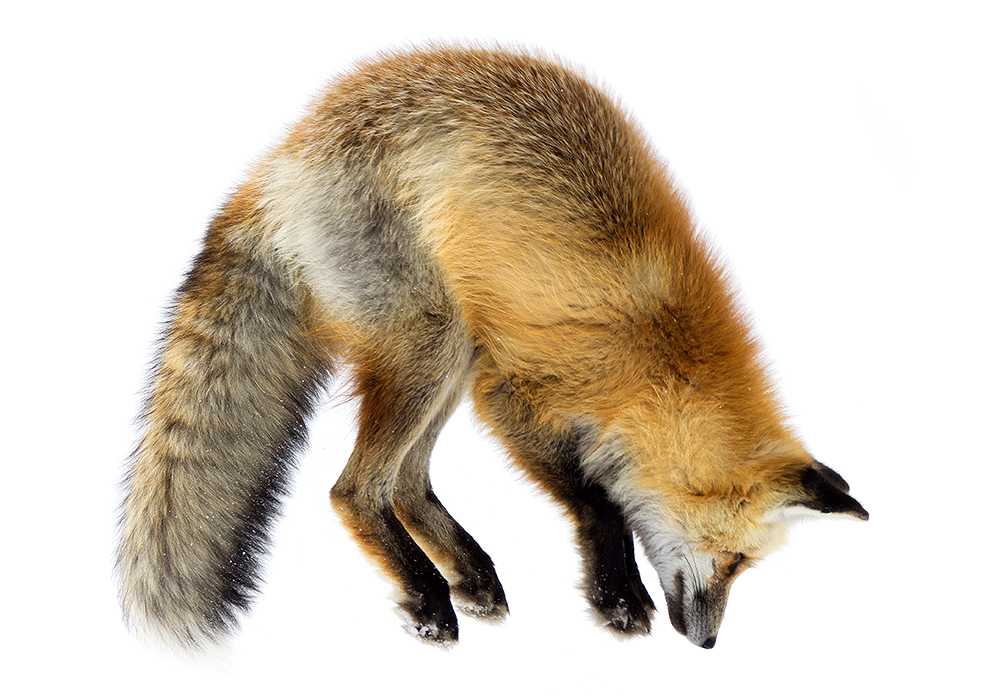
Atmospheric wildlife, forest scenes, and quiet landscapes often pair beautifully with framed fine-art paper because the presentation supports nuance and softness. Bold mountain scenes, vivid coastlines, and high-contrast imagery may feel more at home on metal or acrylic where color and clarity take on greater presence.
In other words, presentation is not separate from the image. It is part of how the image is ultimately experienced.
For help thinking through framing, material, and room fit together, visit the Collectors Hub.
Thoughtful presentation helps preserve not just the print, but the atmosphere, detail, and emotional presence that made the image worth collecting in the first place.
Frequently Asked Questions
Common questions about fine art print materials, sizing, display, and care—so you can choose confidently.
What makes a print a “fine art print”?
Fine art prints are produced using archival materials and professional printing techniques designed to preserve detail, tonal range, and color over time. They are created for long-term display rather than short-term reproduction.
Which print material is best?
There is no single best material—it depends on the image, the room, and the look you want. Giclée paper offers subtlety and refinement, metal provides bold clarity, canvas adds warmth, and acrylic creates depth and luminosity. The right choice is about fit, not hierarchy.
Metal vs canvas prints — how do I choose?
Metal prints tend to feel sharper, more modern, and more vibrant, while canvas prints feel softer, warmer, and more organic. If your space is contemporary and bright, metal often works well. For more relaxed or natural interiors, canvas can feel more at home.
What is the best print type for bright rooms?
Satin metal or framed fine-art paper with museum glass are often strong choices for bright spaces. They help control glare while maintaining clarity and color.
How do I choose the right print size?
Consider wall width, viewing distance, and how the piece relates to furniture. Larger walls can support larger prints, while smaller spaces benefit from more contained sizes. The Print Size & PPI Advisor can help you dial this in.
Can I preview a print before I buy it?
Yes. On individual artwork pages, you can use Wall Preview or Live Preview AR to see how a piece may look in your space. This is one of the most helpful ways to confirm size and placement before ordering.
How long do fine art prints last?
With archival materials and proper care, fine art prints can last for decades. Longevity depends on materials, framing, light exposure, and environmental conditions.
How should I care for my print?
Keep prints out of direct sunlight, avoid high humidity, and clean gently with a microfiber cloth. Framed prints benefit from protective glazing such as museum glass or acrylic.
Can I get help choosing the right print?
Yes. If you are unsure, visit the Collectors Hub or contact us with your space and preferences for guidance.
How does this page fit into the rest of the site?
This page serves as the main print knowledge hub. It connects materials, sizing, and care with the Collectors buying guides, helping you move from understanding to confident selection.
About the Author
Robbie George is a nature photographer and writer whose work connects fine-art photography, field experience, and practical collecting guidance. His photographs are rooted in direct encounters with wildlife, landscapes, seasonal light, and the real environments that shape how an image is ultimately experienced.
That field perspective informs more than the images themselves. It also shapes the way this site helps collectors think through materials, size, framing, placement, and long-term care—so the final piece feels right in both subject and setting.
The presence of this badge signifies that this business has officially registered with the Art Storefronts Organization and has an established track record of selling art.
It also means that buyers can trust that they are buying from a legitimate business. Art sellers that conduct fraudulent activity or that receive numerous complaints from buyers will have this badge revoked. If you would like to file a complaint about this seller, please do so here.
Verified Returns & Exchanges
The Art Storefronts Organization has verified that this business has provided a returns & exchanges policy for all art purchases.
Description of Policy from Merchant:
What is your Policy on Returns/Exchanges/Refunds?
I take great pride in my work and prints, and I want you to be completely happy with your investment in my nature art. If for any reason you are unsatisfied with your print, you may return it within 14 days of delivery, and/or exchange it for another print. Prints must be returned in new condition, packaged carefully in the original packaging if possible. Your refund will be issued as soon as I receive the returned print. Please contact me if you would like to arrange a return or exchange.
In the event that you receive a damaged or defective print, please let me know within 7 days of receipt, and I will arrange for a new print to be shipped to you at no additional cost.
Verified Secure Website with Safe Checkout
This website provides a secure checkout with SSL encryption.
Verified Archival Materials Used
The Art Storefronts Organization has verified that this Art Seller has published information about the archival materials used to create their products in an effort to provide transparency to buyers.
Description from Merchant:
Fine Art Prints are made with high-quality archival inks on fine art papers using a high-resolution large format inkjet printer. Our premium archival inks produce images with smooth tones and rich colors. Prints are made with care on your choice of exquisite Fine Art Papers using a high-resolution large format inkjet printer. https://www.graphikprintworks.com
Become a supporter of Robbie George Photography and be the first to receive new content and special promotions.
“Every image is a field. Every quote is a key. Welcome back to the rhythm.” ~Robbie
Cart
Your cart is currently empty.
Saved Successfully.
This is only visible to you because you are logged in and are authorized to manage this website. This message is not visible to other website visitors.
Import From Instagram
Click on any Image to continue
This Website Supports Augmented Reality to Live Preview Art
This means you can use the camera on your phone or tablet and superimpose any piece of nature art onto a wall inside of your home or business.
To use this feature, Just look for the "Live Preview AR" button when viewing any piece of nature art on this website!